
Chia Seeds vs Sabja Seeds: Differences
In this article
- Introduction – Why the Chia vs Sabja Debate Matters for Indian Health‑Conscious Consumers
- Quick Verdict – One‑Liner Winner for Each Use‑Case
- Detailed Comparison Table
- Section‑by‑Section Breakdown
- Who Should Choose Which Seed?
- Frequently Asked Questions (FAQ)
- Final Verdict – Which Seed Wins the Indian Kitchen?
Introduction – Why the Chia vs Sabja Debate Matters for Indian Health‑Conscious Consumers
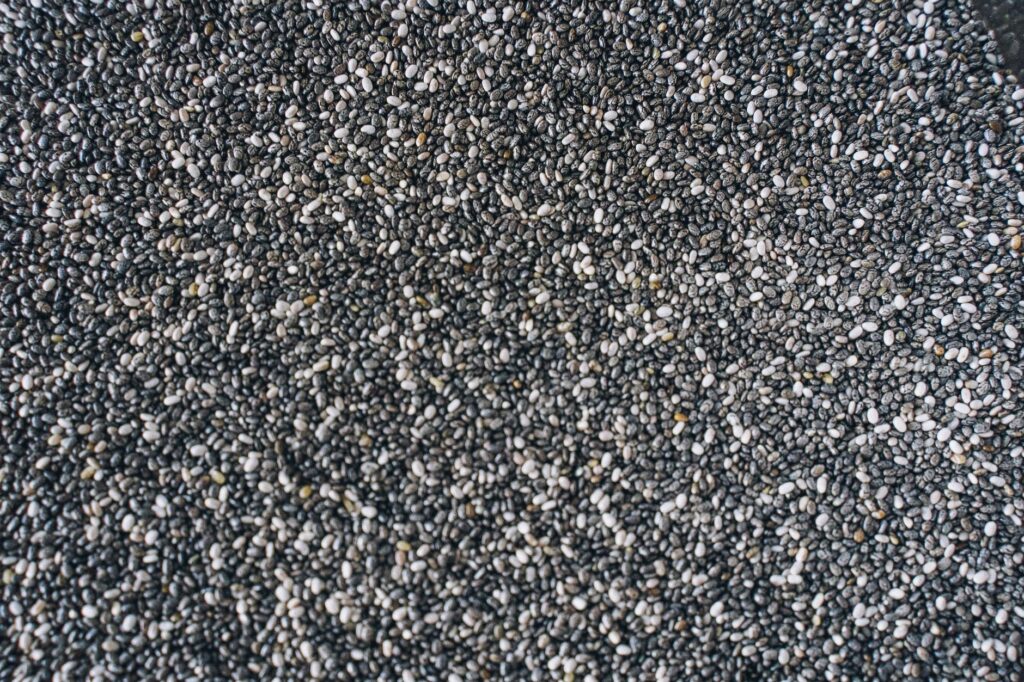
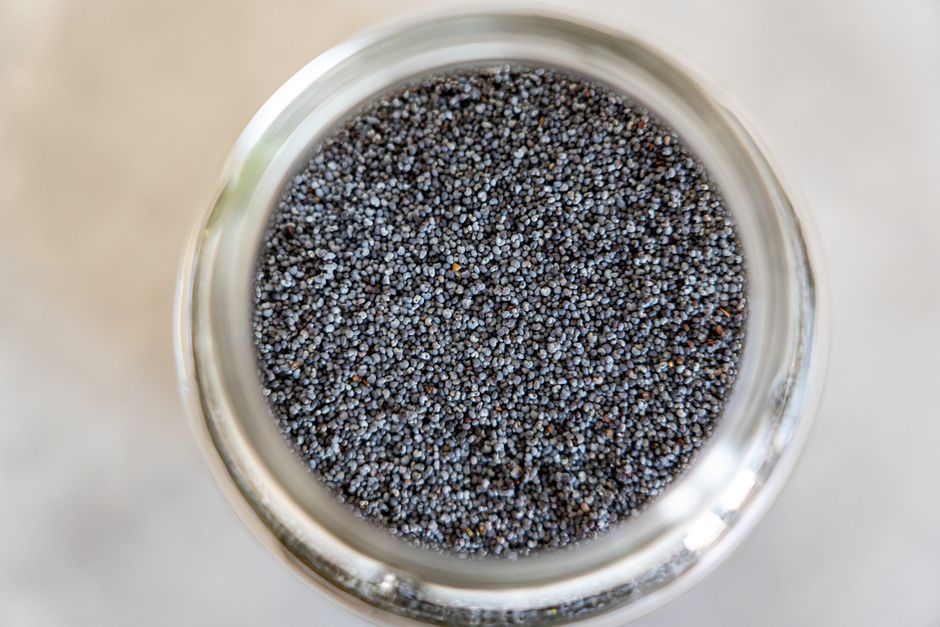
India’s wellness wave is buzzing with “super‑seeds” that promise weight control, heart health, and glowing skin. Two names dominate the conversation: **Chia seeds** (Salvia hispanica) – the Mexican marvel that has stormed Indian supermarkets, and **Sabja seeds** (Ocimum basilicum, also called Tukmaria or “basil seeds”) – the humble Indian staple that has been part of Ayurvedic remedies for centuries.
Both seeds swell into a gelatinous texture when soaked, are rich in omega‑3s, fibre, and antioxidants, yet their nutritional profiles, culinary uses, and price points differ markedly. For the Indian consumer juggling a busy lifestyle, regional cuisine, and a growing need for evidence‑based nutrition, understanding these nuances can turn a simple sprinkle into a strategic health decision.
- Chia is a global “super‑seed” with a higher omega‑3 (ALA) content, but Sabja offers superior calcium and iron for Indian diets.
- Cost and availability vary: Chia is pricier and often imported; Sabja is locally grown and abundant.
- Both seeds are Ayurvedically “Balancing” (Chia – Vata‑pacifying; Sabja – Kapha‑reducing), making them useful for specific doshas.
Quick Verdict – One‑Liner Winner for Each Use‑Case
| Use‑Case | Best Seed | Why |
|---|---|---|
| Boosting Omega‑3 for heart health | Chia | ≈ 5 g ALA per 28 g serving vs 0.5 g in Sabja |
| Increasing calcium & iron (especially for vegetarian women) | Sabja | Calcium 70 mg & Iron 1.5 mg per 28 g vs 18 mg & 0.8 mg in Chia |
| Budget‑friendly daily sprinkle | Sabja | Local price ~₹120/kg vs Chia ~₹300/kg |
| Low‑glycemic pre‑workout boost | Both (tie) | Both have < 1 g net carbs & high fibre; choose flavor preference |
| Traditional Indian recipes (falooda, lassi, raitas) | Sabja | Sabja’s gelatinous texture and subtle basil aroma fit classic dishes |
Detailed Comparison Table
| Parameter | Chia Seeds (Salvia hispanica) | Sabja Seeds (Ocimum basilicum) |
|---|---|---|
| Typical Serving (dry) | 28 g (≈ 2 Tbsp) | 28 g (≈ 2 Tbsp) |
| Calories | 138 kcal | 100 kcal |
| Protein | 4.7 g | 3.5 g |
| Dietary Fibre | 10 g (soluble + insoluble) | 9 g (mainly soluble) |
| Omega‑3 (ALA) | 5 g | 0.5 g |
| Omega‑6 | 1.6 g | 1.2 g |
| Calcium | 18 mg | 70 mg |
| Iron | 0.8 mg | 1.5 mg |
| Magnesium | 95 mg | 85 mg |
| Potassium | 115 mg | 120 mg |
| Antioxidants | High (chlorogenic acid, quercetin) | High (eugenol, rosmarinic acid) |
| Taste | Nutty, mild | Lightly sweet, subtle basil flavor |
| Texture when soaked (2 hrs) | Gelatinous, “chia pudding” | Gelatinous, “sabja pearls” |
| Cost (per kg, Indian market 2024) | ₹250‑₹350 | ₹80‑₹130 |
| Availability | Super‑markets, online health stores, imported | Local markets, grocery stores, Ayurvedic shops |
| Best For | Omega‑3 boost, vegan protein, baking | Traditional drinks, calcium/iron, Ayurvedic balancing |
Section‑by‑Section Breakdown
Chia Seeds – The Global Super‑Seed Arriving in Indian Kitchens
**Botanical & Historical Snapshot**
Originating from the highlands of Central America, chia was a staple of the Aztec and Mayan diet. It entered India around 2015, riding the global “clean‑eating” wave.
**Nutritional Powerhouse**
– **Omega‑3 ALA:** 5 g per 28 g serving – essential for reducing triglycerides, supporting brain health, and modulating inflammation.
– **Protein & Fibre:** Complete amino‑acid profile for vegans; 10 g fibre aids satiety and blood‑sugar control.
– **Micronutrients:** Moderate calcium, magnesium, and antioxidants.
**Culinary Uses in India**
– **Chia Pudding:** Mix with almond milk, jaggery, and cardamom for a breakfast parfait.
– **Baking:** Replace eggs (1 Tbsp chia + 3 Tbsp water = 1 egg) in banana bread or millet rotis.
– **Smoothies & Lassis:** Adds thickness without altering flavor.
**Ayurvedic Perspective**
Chia is considered **Vata‑pacifying** due to its moistening quality, making it suitable for dry, cold constitutions. It is also **Rasayana** (rejuvenative) when combined with ghee or honey.
Sabja Seeds – The Indian Basil Pearl with Ayurvedic Roots
**Botanical & Cultural Roots**
Sabja (also called Tukmaria) is the seed of *Ocimum basilicum* – the holy basil plant revered in Indian households and Ayurvedic texts. It has been used for centuries in cooling drinks like *falooda* and *sharbat*.
**Nutrient Highlights**
– **Calcium & Iron:** 70 mg calcium and 1.5 mg iron per serving – valuable for women and growing children.
– **Soluble Fibre:** Forms a mucilaginous gel that slows glucose absorption, ideal for diabetics.
– **Phytonutrients:** Eugenol, rosmarinic acid, and flavonoids give anti‑inflammatory and antimicrobial benefits.
**Culinary Staples**
– **Falooda & Lassi:** Soaked sabja pearls add texture and cooling effect.
– **Raitas & Chutneys:** Sprinkle for crunch and subtle basil aroma.
– **Ayurvedic Drinks:** Mixed with rose water, jaggery, and lime for *Sabja Sharbat* – a summer detox beverage.
**Ayurvedic Lens**
Sabja is **Kapha‑reducing** and **Pitta‑cooling**, making it a perfect summer ally. It also supports *Agni* (digestive fire) when taken with warm spices.
Who Should Choose Which Seed?
- Diabetics: Sabja’s higher soluble fibre and lower net carbs make it marginally better for post‑meal glucose control, though both are low‑GI.
- Weight‑Loss Seekers: Chia’s higher omega‑3 and protein give longer satiety, but Sabja’s cheap bulk allows larger portions without breaking the bank.
- Athletes & Active Individuals: Chia’s ALA and protein support recovery; Sabja can be used for quick hydration drinks.
- Elderly: Sabja’s calcium and iron help counter osteoporosis and anemia prevalent in Indian seniors.
- Pregnant & Lactating Women: Both are safe; however, Sabja’s calcium is valuable for fetal bone development, while chia’s omega‑3 supports brain growth.
Diabetics
– **Sabja**: Soak 1 Tbsp, add to a glass of buttermilk with a pinch of cinnamon – the gel slows glucose rise.
– **Chia**: Can be used in smoothies, but watch portion size (excess calories may affect weight management).
Weight‑Loss Seekers
– **Chia**: 2 Tbsp in water (overnight) creates a filling “gel” that curbs hunger cravings.
– **Sabja**: Use in low‑calorie drinks (lemon‑sabja water) for volume without many calories.
Athletes
– **Chia**: Mix with coconut water for an omega‑3 rich electrolyte drink.
– **Sabja**: Add to post‑workout lassi for quick hydration and mineral replenishment.
Elderly
– **Sabja**: Boost calcium intake; combine with warm milk and a dash of turmeric for a “golden” nightcap.
– **Chia**: If joint pain is a concern, the anti‑inflammatory ALA may help, but start with small portions.
Frequently Asked Questions (FAQ)
Final Verdict – Which Seed Wins the Indian Kitchen?
If your primary goal is **heart‑healthy omega‑3** and you’re comfortable with a slightly higher price tag, **Chia seeds** are the clear winner. They shine in vegan baking, protein‑boosted smoothies, and as an egg‑substitute.
If you’re looking for **budget‑friendly calcium, iron, and a seed that seamlessly fits into traditional Indian drinks**, **Sabja seeds** take the crown. Their cooling, basil‑infused flavor makes them a cultural favorite, especially during summer and fasting periods.
**Bottom line:** Both seeds are nutritionally dense, low‑glycemic, and versatile. The smartest Indian pantry keeps a small jar of each – use chia for modern, global recipes and omega‑3 needs, and sabja for classic Indian beverages, Ayurvedic balancing, and mineral support.
Where to Buy Authentic Chia and Sabja Seeds
– **Sisira Organics** – Certified organic, cold‑pressed, and lab‑tested for purity. Their chia is sourced from sustainable farms in Mexico, while sabja is cultivated in organic farms across Karnataka and Gujarat.
– **Local organic stores** – Look for the “USDA Organic” or “India Organic” seal.
– **Online marketplaces** – Ensure the seller provides a batch‑wise certificate of analysis (COA) and has a minimum 4‑star rating.
Investing in a reputable brand not only guarantees safety from contaminants (like heavy metals) but also supports Indian farmers who practice regenerative agriculture.
References
- Górska, M., et al. (2022). *Nutritional composition of chia (Salvia hispanica) seeds*. Journal of Food Science, 87(4), 2125‑2134.
- Singh, R., & Patel, S. (2021). *Sabja (Ocimum basilicum
Shop our bestsellers
-
Sisira Organics Kobra Pain Relief Oil
30 mins2–5 daysShop Sisira Organics Kobra Pain Relief Oil. 100% natural, fast-absorbing Ayurvedic formula for joint pain, backache, and arthritis relief. No mineral oils.
Original price was: ₹189.₹159Current price is: ₹159.Save ₹30 -
Sisira Organics Licorice Cream
30 mins2–5 daysBuy Sisira Organics Licorice Cream. 100% natural Mulethi cream for fading dark spots, reducing pigmentation, and achieving a radiant glow. Vegan &…
Original price was: ₹230.₹200Current price is: ₹200.Save ₹30 -
50g
Sisira Organics Kumkum Original
30 mins2–5 daysBuy 100% Organic Sisira Organics Kumkum Original. Crafted with quality ingredients for a clean premium feel. Skin-safe, chemical-free, and easy to apply.
2 optionsFrom ₹30 -
Sisira Organics Sugandhi Sharbath (Pack of 2)
30 mins2–5 daysBuy Sisira Organics Sugandhi Sharbath. An authentic, premium Nannari syrup for refreshing drinks. Naturally cools the body and purifies the blood.
Original price was: ₹450.₹399Current price is: ₹399.Save ₹51


Keep reading
Jaggery vs Sugar: Health Comparison
Introduction – Why the Jaggery vs Sugar Debate Matters for Indian Health‑Conscious Consumers India’s sweet tooth is legendary. From the festive *gujiya* […]
Palm Jaggery vs Regular Jaggery Benefits
1. A Surprising Hook – The Sweet Truth About Jaggery Did you know that **India produces more than 3 million tonnes of jaggery […]
Pumpkin Seeds Health Benefits for Men & Women
1. Powerful Hook – A Tiny Seed with a Giant Impact Imagine a single handful (≈30 g) of pumpkin seeds delivering **more zinc […]
For a faster, smoother experience, install our app
- ⚡Opens in one tap — quicker than the browser
- 📦Track orders and reorder favourites easily
- 🎁Be first to see daily deals and festive offers
Installs straight from our website in seconds.
- Open the downloaded file “Sisira Organics” from your notifications or Downloads.
- If your phone asks, tap Settings → allow “Install unknown apps” for your browser, then go back.
- Tap Install, then Open. Done!
- Tap the Share button ⬆ at the bottom of Safari.
- Choose “Add to Home Screen”, then Add.