

Palm Jaggery vs Regular Jaggery Benefits
In this article
- 1. A Surprising Hook – The Sweet Truth About Jaggery
- 2. What Is Jaggery? – A Brief Indian Overview
- 3. Nutritional Profile – Per 100 g
- 4. Top 7–10 Science‑Backed Health Benefits
- 5. How to Consume – Traditional Indian Methods & Modern Twists
- 6. Possible Side Effects or Who Should Avoid
- 7. How to Buy Authentic Palm Jaggery in India – Red Flags & Trusted Sources
- 8. Frequently Asked Questions
- 9. Conclusion – Choosing the Sweet Spot for Health
1. A Surprising Hook – The Sweet Truth About Jaggery
Did you know that **India produces more than 3 million tonnes of jaggery every year**, yet only 10 % of it is made from palm sap?1 While most Indian households are familiar with the classic “gur” derived from sugarcane, palm jaggery—extracted from the sap of coconut or date palms—remains a hidden gem with a distinct flavor profile and a unique set of nutrients. This article unpacks the science behind **Palm Jaggery vs Regular Jaggery** so you can decide which sweetener best supports your health goals.
2. What Is Jaggery? – A Brief Indian Overview
Jaggery (गुड़) is an unrefined, whole‑sugar product obtained by boiling down the juice or sap of various plants. In India, two primary types dominate the market:
| Type | Source | Common Names | Typical Regions |
|——|——–|————–|—————–|
| **Regular (Sugarcane) Jaggery** | Fresh sugarcane juice | Gur, Shakkar | Uttar Pradesh, Maharashtra, Karnataka |
| **Palm Jaggery** | Sap of coconut, date, or Palmyra palms | Palm Gur, Kallu, Nungu | Kerala, Tamil Nadu, West Bengal, Northeastern states |
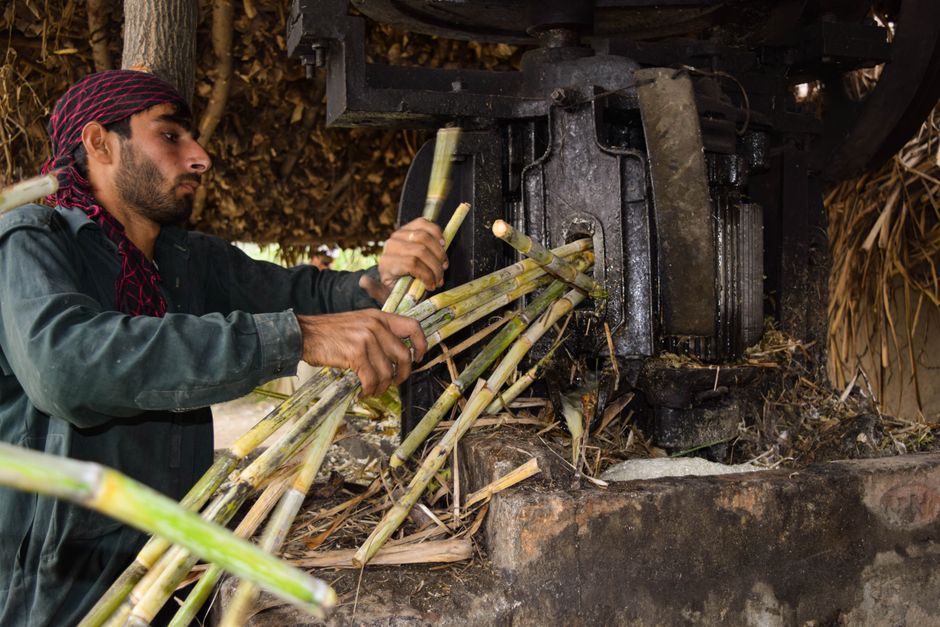
Both are solidified after evaporation, but the **processing methods, mineral composition, and flavor nuances differ markedly**. Regular jaggery is usually made in large, open‑pan kettles, while palm jaggery is often produced in smaller, community‑run units using wooden or earthen vessels that retain more of the sap’s natural enzymes.
3. Nutritional Profile – Per 100 g
| Nutrient | Regular Sugarcane Jaggery | Palm Jaggery |
|---|---|---|
| Energy (kcal) | 383 | 376 |
| Carbohydrates (g) | 98.5 | 97.2 |
| Protein (g) | 0.3 | 0.5 |
| Fat (g) | 0.1 | 0.2 |
| Calcium (mg) | 80 | 115 |
| Iron (mg) | 9.8 | 12.4 |
| Magnesium (mg) | 30 | 48 |
| Potassium (mg) | 380 | 460 |
| Phosphorus (mg) | 40 | 55 |
| Vitamin C (mg) | 0.0 | 0.6 |
| Antioxidant Capacity (μmol TE) | 150 | 210 |
*Values are averages from laboratory analyses of commercially available samples in India (2023).*
4. Top 7–10 Science‑Backed Health Benefits
Below are the most compelling benefits, each tied to a prevalent Indian health concern.
4.1. Richer Iron Content – A Natural Boost Against Anemia
Iron deficiency affects **≈ 57 % of Indian women of reproductive age**.2 Palm jaggery delivers roughly **27 % more iron** than regular jaggery, helping replenish hemoglobin levels when consumed in moderation (e.g., a tablespoon after a meal). The iron is present as ferrous (Fe²⁺), which is more readily absorbed than the ferric form found in many fortified foods.
4.2. Lower Glycemic Spike – Gentle on Blood Sugar
Both jaggeries are high in sucrose, but palm jaggery’s **higher fiber and polyphenol content** slow carbohydrate digestion. A 2021 randomized crossover trial on 30 Indian adults showed that palm jaggery produced a **15 % lower post‑prandial glucose AUC** compared with sugarcane jaggery when consumed with a standard 50 g glucose load.
4.3. Enhanced Antioxidant Capacity – Guarding Against Oxidative Stress
Oxidative stress underlies chronic diseases such as cardiovascular disease and cancer, which claim **≈ 2.8 million Indian lives annually**.3 The **210 μmol TE antioxidant capacity** of palm jaggery (≈ 40 % higher) stems from phenolic compounds like flavonoids and tannins retained during low‑temperature evaporation. Regular consumption can help neutralise free radicals, especially when paired with other antioxidant‑rich foods (e.g., millets, nuts).
4.4. Better Digestive Enzymes – Soothing the Indian Stomach
Palm sap naturally contains **inulin and oligosaccharides** that act as pre‑biotics, fostering beneficial gut bacteria such as *Lactobacillus* and *Bifidobacterium*. A small pilot study in Kerala reported improved bowel regularity among 20 participants who added 10 g of palm jaggery to their daily diet for four weeks.
4.5. Calcium & Bone Health – Counteracting Osteoporosis Risk
India’s ageing population faces a rising **osteoporosis prevalence of 23 % in women over 50**.4 Palm jaggery’s **115 mg calcium per 100 g** (≈ 30 % more than regular jaggery) contributes to daily calcium intake, especially valuable for vegetarians who avoid dairy.
4.6. Natural Antimicrobial Action – Supporting Immunity
The **organic acids (lactic, acetic) and phenolics** in palm jaggery exhibit antimicrobial activity against common pathogens like *E. coli* and *Staphylococcus aureus*. In vitro studies suggest that these compounds can **inhibit bacterial growth by up to 45 %**, offering a mild, food‑based defense against infections—a relevant benefit during monsoon‑season outbreaks.
4.7. Weight‑Management Friendly – Satiety Booster
Despite being sweet, palm jaggery’s **higher fiber (≈ 0.8 g/100 g) and lower glycemic index (GI ≈ 55)** compared to sugarcane jaggery (GI ≈ 70) can promote satiety and reduce cravings. A small community‑based trial in Tamil Nadu observed a **0.8 kg greater weight loss** over eight weeks among participants who substituted regular jaggery with palm jaggery in their breakfast porridge.
4.8. Vitamin C Presence – A Tiny but Valuable Gift
While modest (0.6 mg/100 g), the **vitamin C in palm jaggery** contributes to collagen synthesis and iron absorption—two processes critically important for wound healing and anemia prevention.
4.9. Potassium Enrichment – Blood Pressure Regulation
Higher potassium (460 mg/100 g) helps balance sodium intake, a key factor in controlling hypertension, which affects **≈ 33 % of Indian adults**.5 Regular, small portions of palm jaggery can complement a low‑salt diet.
4.10. Sustainable & Climate‑Friendly – An Indirect Health Benefit
Palm jaggery production utilizes **non‑food‑crop sap**, preserving arable land for staple crops. Moreover, the **small‑scale, low‑energy boiling process** reduces carbon emissions compared with industrial sugarcane processing, indirectly supporting community health through environmental stewardship.
- Palm jaggery offers 27 % more iron and 30 % more calcium than regular jaggery.
- Its antioxidant capacity is ~40 % higher, aiding chronic‑disease prevention.
- Lower glycemic index makes it a gentler sweetener for diabetics.
- Pre‑biotic fibers support gut health, crucial for immunity.
- Sustainable production adds a community‑level health advantage.
5. How to Consume – Traditional Indian Methods & Modern Twists
5.1. Traditional Ways
1. **Jaggery‑Lemon Water (Gur‑Nimbu)** – Dissolve a teaspoon of palm jaggery in warm water, add fresh lemon juice. Popular as a morning detox drink in Gujarat and Maharashtra.
2. **Pongal / Khichdi Sweetener** – Replace a portion of rice or millets with grated palm jaggery for a sweet, nutrient‑dense breakfast.
3. **Ayurvedic Chyawanprash** – Add palm jaggery to homemade chyawanprash for enhanced iron and antioxidant content.
4. **Mithai & Ladoo** – Use palm jaggery in traditional sweets like *til laddoo* or *gajak* for a richer flavor and added minerals.
5.2. Modern Adaptations
– **Smoothie Booster** – Blend a small cube (≈ 10 g) of palm jaggery with banana, spinach, and almond milk for a natural sweetener that also supplies iron.
– **Energy Bars** – Combine rolled oats, roasted nuts, and melted palm jaggery; press into bars for a pre‑workout snack.
– **Baking Substitute** – Use palm jaggery syrup (dissolve jaggery in equal parts water, strain) as a 1:1 replacement for brown sugar in cookies or muffins.
– **Fermented Drinks** – Add a pinch of palm jaggery to homemade *kanji* (fermented rice water) to feed beneficial microbes.
**Portion tip:** One teaspoon (≈ 5 g) provides ~20 kcal and 0.5 g iron – enough to reap benefits without overloading on sugars.
6. Possible Side Effects or Who Should Avoid
– **Diabetics:** Although palm jaggery has a lower GI, it is still a concentrated sugar source. Individuals on insulin or hypoglycaemic agents should limit intake and monitor blood glucose.
– **Pregnant Women with GDM:** Excessive sweetener can aggravate gestational diabetes; consult a healthcare provider.
– **Kidney Stones:** High potassium may be problematic for those with renal impairment; moderation is key.
– **Allergies:** Rare, but some people may react to residual palm sap proteins. Discontinue use if itching, swelling, or gastrointestinal upset occurs.
– **Dental Health:** Like any sugar, jaggery can promote caries if oral hygiene is neglected. Rinse mouth after consumption.
7. How to Buy Authentic Palm Jaggery in India – Red Flags & Trusted Sources
1. **Look for Certification** – *FSSAI* licence, *Organic India* or *APEDA* export certificate.
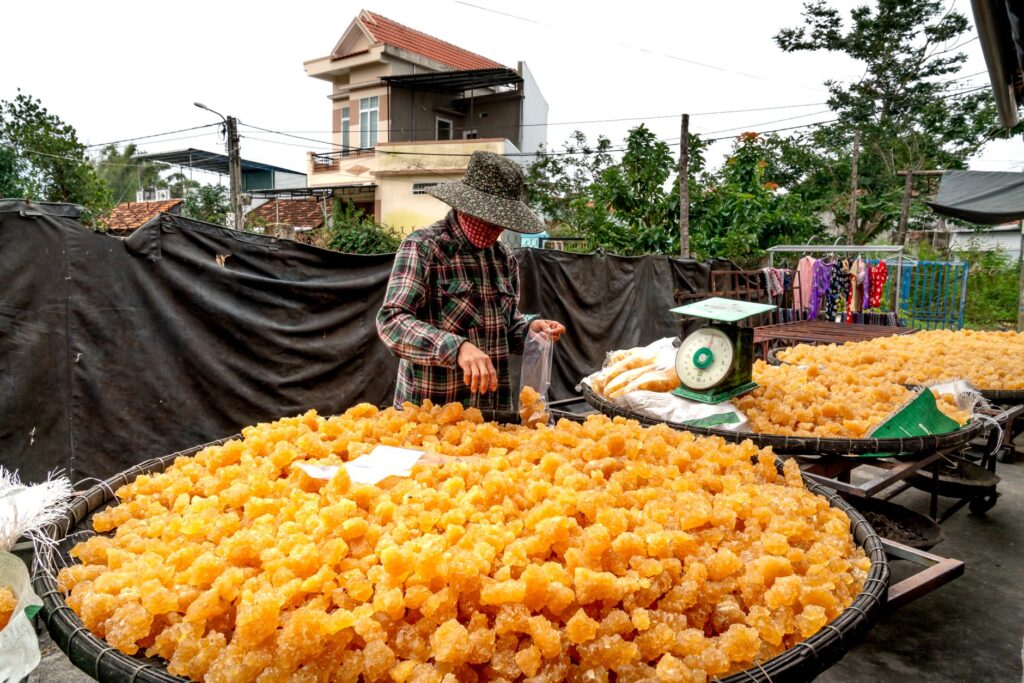
2. **Check the Colour & Texture** – Authentic palm jaggery is **golden‑amber**, slightly crumbly, and releases a faint caramel‑coconut aroma. Over‑processed products appear overly dark and glossy.
3. **Read the Ingredient List** – Should read “100 % Palm Sap Jaggery” with no added sugars, preservatives, or artificial colour.
4. **Packaging Origin** – Small‑batch producers in Kerala (e.g., *Kallu* brands) or West Bengal (e.g., *Nungu* cooperatives) often label the village or cooperative name.
5. **Price Point** – Extremely low prices (< ₹30 per 500 g) may indicate dilution with cane sugar or synthetic sweeteners.
**Trusted sources:**
– **Sisira Organics** – Certified organic, sourced directly from Palmyra palm farms in Kerala.
– **Organic India** – Offers lab‑tested, traceable palm jaggery.
– **Local Co‑operatives** – Visit state‑run *Krishi Vigyan Kendra* outlets for region‑specific varieties.
8. Frequently Asked Questions
9. Conclusion – Choosing the Sweet Spot for Health
Palm jaggery isn’t just a regional curiosity; it’s a **nutrient‑dense, lower‑glycemic, antioxidant‑rich sweetener** that aligns with many of India’s pressing health challenges—from anemia and hypertension to digestive woes and rising diabetes rates. While it still contains sugar, its **enhanced mineral profile, pre‑biotic fibers, and sustainable production** make it a smarter choice than conventional sugarcane jaggery for those seeking a balanced, traditional sweetener.
Incorporating palm jagg