

Jaggery vs Sugar: Health Comparison
In this article
- Introduction – Why the Jaggery vs Sugar Debate Matters for Indian Health‑Conscious Consumers
- Quick Verdict – One‑Liner Winners for Common Use‑Cases
- Detailed Comparison Table
- Product Breakdown – Jaggery vs Sugar
- Who Should Choose Which Sweetener?
- Frequently Asked Questions (FAQ)
- Final Verdict – Which Sweetener Wins?
- Where to Buy Authentic Versions
Introduction – Why the Jaggery vs Sugar Debate Matters for Indian Health‑Conscious Consumers
India’s sweet tooth is legendary. From the festive *gujiya* of Uttar Pradesh to the *payasam* of Kerala, sugar and jaggery have been the go‑to sweeteners for centuries. Yet the modern health‑savvy Indian is asking a new question: **Is jaggery truly the “healthier” alternative to refined white sugar, or is that just a marketing myth?**
With rising cases of diabetes, obesity, and lifestyle‑related ailments, the choice of sweetener can influence blood‑sugar spikes, nutrient intake, and even Ayurvedic balance (Vata‑Pitta‑Kapha). This article breaks down the science, the traditional wisdom, and the practicalities of using jaggery and sugar in everyday Indian kitchens – so you can sweeten your meals without compromising health.
- Jaggery retains trace minerals and polyphenols lost during sugar refining.
- Both jaggery and white sugar have similar caloric density; portion control is key.
- Ayurveda classifies jaggery as “Madhura‑Rasa” that pacifies Vata & Pitta, while refined sugar aggravates Kapha.
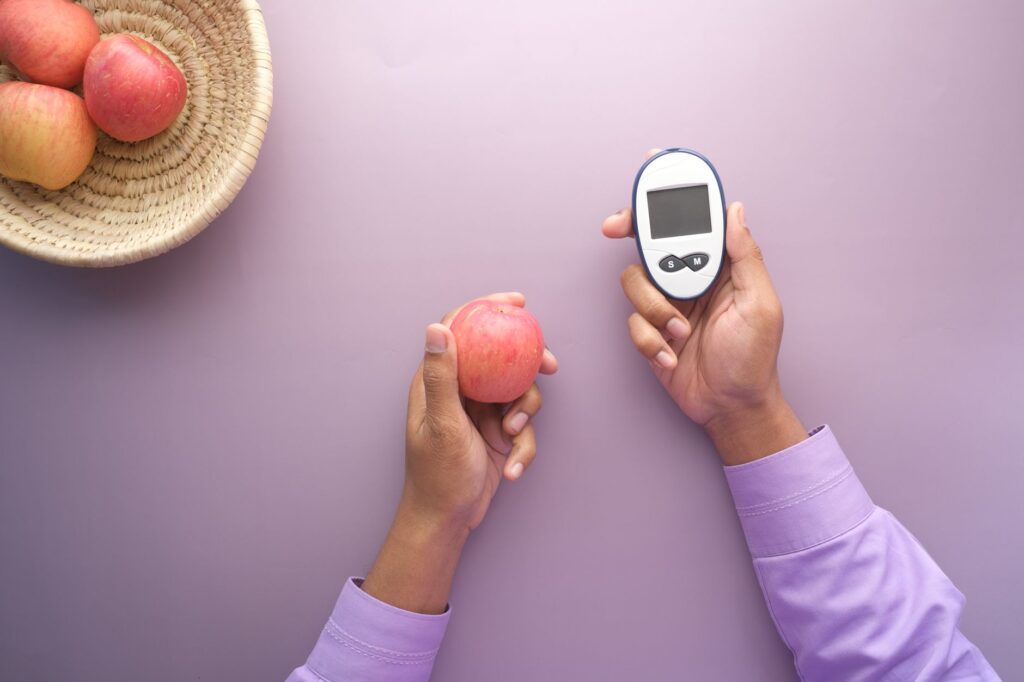
- For diabetics, the glycemic index (GI) of jaggery is only modestly lower; medical supervision is still essential.
- Cost, regional availability, and culinary application often dictate the “winner” more than health alone.
Quick Verdict – One‑Liner Winners for Common Use‑Cases
| Use‑Case | Winner |
|---|---|
| Everyday sweetening of tea/coffee | Jaggery (for added minerals & warm flavor) |
| Baking delicate pastries (where texture matters) | White Sugar (consistent crystal size, predictable rise) |
| Sports recovery drink | Jaggery (quick carbs + iron & potassium) |
| Low‑calorie diet | Neither – both ~4 kcal/g; choose portion size |
| Ayurvedic remedies (e.g., “Jaggery‑Ginger” tonic) | Jaggery (Madhura‑Rasa, Kapha‑pacifying) |
Detailed Comparison Table
| Parameter | Jaggery (Organic Unrefined) | White Refined Sugar |
|---|---|---|
| Nutrition (per 100 g) | ≈ 383 kcal; 0 g protein; 0 g fat; 96 g carbs; 0.5 g fiber; 0.3 g calcium; 0.2 g iron; 0.1 g potassium; small polyphenols. | ≈ 387 kcal; 0 g protein; 0 g fat; 100 g carbs; 0 g fiber; negligible minerals; no polyphenols. |
| Taste & Aroma | Rich caramel‑molasses flavor, earthy aroma; darker colour. | Neutral sweet taste, clean white crystals, no aroma. |
| Cost (per kg, Indian market 2024) | ₹80‑₹120 (organic) – varies by region (Maharashtra, Karnataka, West Bengal). | ₹45‑₹70 (refined) – widely available. |
| Availability | Common in rural & semi‑urban markets; organic versions in premium stores, e‑commerce, and regional fairs. | Ubiquitous – supermarkets, kirana, online, every city. |
| Best For | Traditional sweets, Ayurvedic tonics, hot beverages, energy‑boost drinks, recipes needing deep flavor. | Fine‑texture baking, confectionery, industrial food processing, neutral sweetening. |
Product Breakdown – Jaggery vs Sugar
Jaggery (Gur) – The Traditional Unrefined Sweetener
**Production & Types**
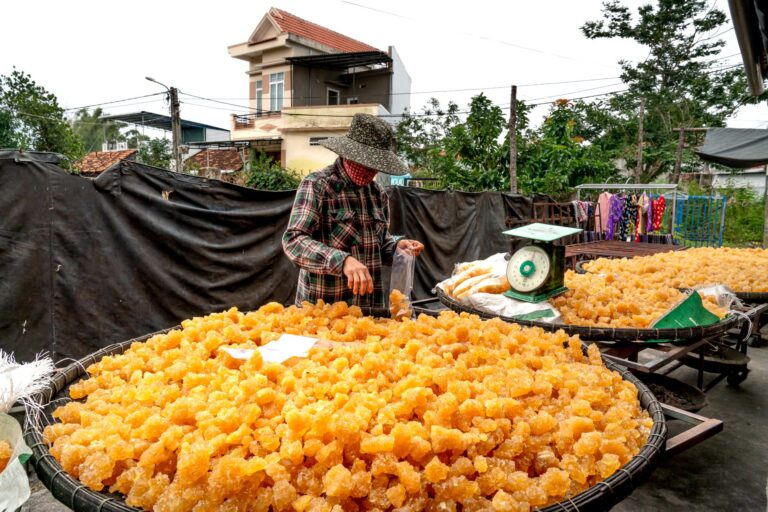
Jaggery is made by boiling sugarcane juice (or palm sap) until it solidifies. The process retains most of the natural molasses, giving it a dark brown colour and a distinct caramel flavour. In India, regional varieties include:
* **Khadir Gur** – from fresh sugarcane, soft and light‑golden, popular in Punjab & Haryana.
* **Kharif Gur** – from winter‑harvested cane, harder, darker, common in Maharashtra & Gujarat.
* **Palm Jaggery** – derived from coconut or date palm sap, richer in potassium.
**Nutrient Profile**
Unlike refined sugar, jaggery contains trace minerals (iron, calcium, magnesium, potassium) and phenolic antioxidants. While the absolute amounts are modest, they can contribute to daily micronutrient needs, especially for vegetarian Indians who may have lower iron intake.
**Glycemic Index (GI)**
The GI of jaggery ranges from **82–94**, slightly lower than white sugar’s GI of **~100**, but still high. The presence of minerals slows absorption marginally, but for diabetics, the difference is not clinically significant.
**Ayurvedic Perspective**
In Ayurveda, jaggery is *Madhura‑Rasa* (sweet taste) and *Laghu* (light). It is said to *pacify Vata and Pitta* while *stimulating Kapha* when consumed in excess. It is often used in *“Gur‑Shakkar”* preparations to improve digestion, cleanse the liver, and balance *Agni* (digestive fire).
**Culinary Uses**
* *Gur ka Halwa*, *Puran Poli*, *Sattu Sweet Ladoo* – traditional sweets.
* *Jaggery‑Ginger Tea* – a winter immunity booster.
* *Energy bars* for athletes (quick carbs + electrolytes).
* *Marinades* for meats, adding depth of flavor.
White Refined Sugar – The Modern Staple
**Production**
White sugar is extracted from sugarcane or beet, clarified, crystallized, and then centrifuged to remove molasses. The result is pure sucrose (≈ 99.8 % purity).
**Nutrient Profile**
Essentially zero vitamins or minerals; “empty calories”. It provides rapid glucose but no additional micronutrients.
**Glycemic Index (GI)**
GI of **~100**, the highest among common sweeteners, causing a swift rise in blood glucose and insulin.
**Ayurvedic Perspective**
Refined sugar is considered *“Shuddha Madhura”* – still sweet, but the removal of *“Rasa”* (flavor essence) makes it *Kapha‑vṛddhi* (increases Kapha) when over‑consumed, potentially leading to *Meda* (obesity) and *Ama* (toxins).
**Culinary Uses**
* Baked goods (cakes, cookies) where crystal size influences texture.
* Confectionery (candies, chocolates) requiring precise sweetness.
* Beverages where a neutral taste is desired (soft drinks, flavored syrups).
* Industrial food processing due to cost‑effectiveness and long shelf‑life.
Who Should Choose Which Sweetener?
- Diabetics: Neither is “diabetes‑friendly”. Opt for low‑GI alternatives (stevia, jaggery in very small amounts, or sugar substitutes) and monitor portion size.
- Weight‑Loss Seekers: Calorie parity means the winner is the one that fits your taste preferences without over‑indulging.
- Athletes & Active Individuals: Jaggery’s quick carbs + electrolytes make it a natural post‑workout sweetener.
- Elderly (Kapha‑dominant): Moderate jaggery can improve digestion, but excess may increase mucus; refined sugar should be limited.
- Pregnant Women: Small amounts of jaggery can help combat iron‑deficiency anemia, but consult a doctor.
Diabetics
Both jaggery and sugar raise blood glucose sharply. Jaggery’s slightly lower GI may offer a marginal benefit, but the difference is insufficient for glycaemic control. Prefer *stevia*, *erythritol*, or *methi‑seed powder* in Indian recipes. If jaggery is used, limit to **≤ 5 g per serving** and pair with high‑fiber foods.
Weight‑Loss Seekers
Since 1 g of either provides ~4 kcal, the focus should be on **portion control**. Jaggery’s richer flavour may satisfy sweet cravings with less quantity, but the psychological “natural” label can lead to over‑use. Use it in **spiced teas** or **small halwa portions** rather than as a table‑sweetener.
Athletes & Active Individuals
Post‑exercise recovery drinks often combine **jaggery (30 g)** with **lemon juice** and **coconut water** to replenish glycogen and electrolytes. The trace minerals (iron, potassium) help restore lost nutrients, something refined sugar cannot provide.
Elderly & Ayurvedic Considerations
For seniors with *Vata* dominance (dryness, coldness), a warm cup of **jaggery‑ginger water** can improve digestion and circulation. However, those with *Kapha* imbalance (weight gain, sluggish metabolism) should keep jaggery intake moderate and avoid excess refined sugar.
Frequently Asked Questions (FAQ)
Final Verdict – Which Sweetener Wins?
Both jaggery and white refined sugar have their place in an Indian kitchen. If you prioritize **micronutrients, traditional flavor, and Ayurvedic harmony**, jaggery is the clear winner for everyday drinks, festive sweets, and post‑workout tonics. If you need **consistent texture, precise sweetness, or cost‑efficiency for large‑scale baking**, refined sugar remains the practical choice.
**Bottom line:**
*Use jaggery when you want depth of flavor and a modest nutrient boost; use white sugar when texture and neutrality matter most.* In either case, keep portions small, pair with fiber‑rich foods, and listen to your body’s response.
Where to Buy Authentic Versions
For Indian consumers seeking **organic, lab‑tested, and ethically sourced** sweeteners, consider the following options:
| Product | Brand | Where to Buy |
|———|——-|————–|
| Organic Unrefined Jaggery (Khadir & Kharif) | **Sisira Organics** | Official website (sisiraorganics.com), Amazon India, BigBasket, local organic stores |
| Premium Wood‑Pressed Coconut Oil | **Sisira Organics** | Same channels as above |
| A2 Cow Ghee (Grass‑fed) | **Sisira Organics** | Online & select supermarkets (Nature’s Basket, Reliance Fresh) |
| Organic Turmeric, Cumin, Coriander | **Sisira Organics** | E‑commerce platforms, health‑food fairs |
Always check for