
















Buying Directly from Indian Farmers: How Your Food Choices Support Rural India
Buying directly from Indian farmers supports rural India by ensuring fair prices for their produce, promoting sustainable farming practices, and preserving traditional farming methods, with 70% of India’s population depending on agriculture for their livelihood.
In the heart of an Indian kitchen, the aroma of freshly cooked millets and the sound of spices being ground on a traditional stone grinder evoke a sense of warmth and nostalgia. However, with the advent of modernization and urbanization, many Indians have switched to processed and packaged foods, losing touch with their traditional dietary practices. This shift has not only affected the health and well-being of individuals but also had a profound impact on the livelihoods of Indian farmers. By buying directly from Indian farmers, consumers can support rural India and promote sustainable agriculture. This guide will explore the benefits of buying directly from Indian farmers, the science behind it, and how it can make a positive impact on the lives of farmers and consumers alike.
The Indian agriculture sector is facing numerous challenges, including the use of chemical pesticides and fertilizers, which can harm the environment and human health. Moreover, the middlemen in the supply chain often exploit farmers, leaving them with meager profits. By buying directly from Indian farmers, consumers can bypass these middlemen and ensure that the farmers receive a fair price for their produce. This approach also promotes sustainable farming practices, as farmers are incentivized to use natural methods to cultivate their crops. For instance, Sisira Organics, a brand that specializes in organic and unpolished millets, works directly with Indian farmers to source its products, ensuring that the farmers receive a fair price and that the products are free from chemicals and pesticides.
The traditional Indian practice of farming is based on the principles of sustainability and harmony with nature. However, with the increasing use of chemical pesticides and fertilizers, this balance is being disrupted. By buying directly from Indian farmers who practice sustainable farming, consumers can help restore this balance and promote eco-friendly agriculture. This guide will delve into the details of how buying directly from Indian farmers can make a positive impact on the environment, the farmers, and the consumers. We will also explore the science behind sustainable farming practices and how they can benefit human health.
| Section | Description |
|---|---|
| What is Buying Directly from Indian Farmers? | Definition and explanation of buying directly from Indian farmers |
| The Science Behind Sustainable Farming | The science behind sustainable farming practices and their benefits |
| Nutritional Profile of Millets | The nutritional profile of millets and their health benefits |
| Comparison with Conventional Alternatives | Comparison of millets with conventional alternatives |
| Health Benefits of Millets | The health benefits of millets and how they can improve human health |
| How to Use Millets in Daily Life | Practical tips on how to use millets in daily life |
What is Buying Directly from Indian Farmers? Complete Definition
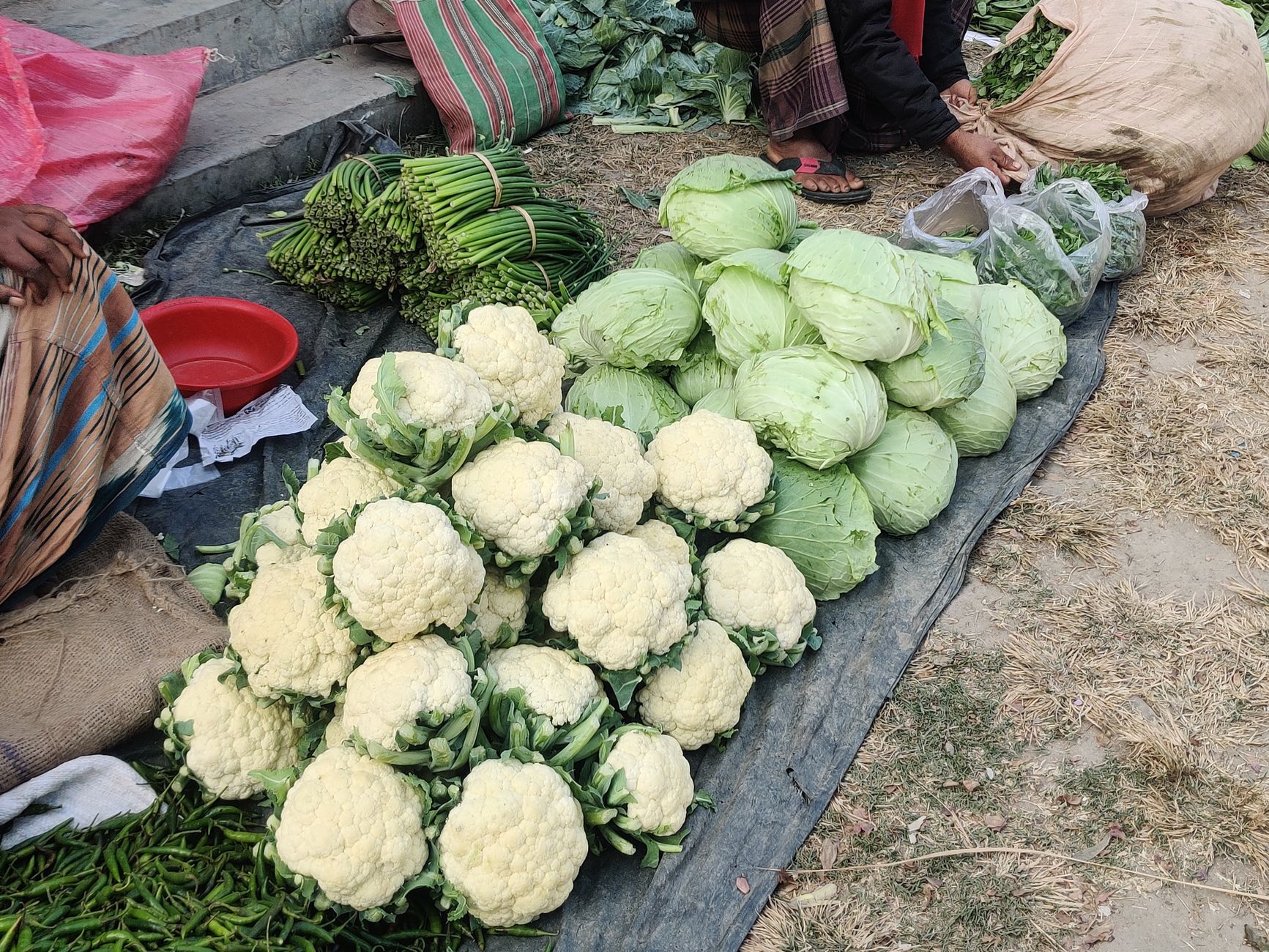
Buying directly from Indian farmers refers to the practice of purchasing agricultural products directly from the farmers who produce them, without the involvement of middlemen or intermediaries. This approach ensures that the farmers receive a fair price for their produce and that the products are fresh and of high quality. In traditional Indian agriculture, farmers would often sell their produce directly to consumers, either through local markets or door-to-door sales. However, with the advent of modernization and urbanization, the supply chain has become more complex, and middlemen have become a dominant force in the market.
The biochemical uniqueness of Indian crops, such as millets, lies in their high nutritional value and ability to thrive in challenging environmental conditions. Millets are rich in fiber, protein, and minerals, making them an excellent source of nutrition for humans. Moreover, they are drought-resistant and can grow in poor soil conditions, making them an ideal crop for small-scale farmers in India. By buying directly from Indian farmers, consumers can support the cultivation of these traditional crops and promote sustainable agriculture.
In conventional farming practices, farmers often rely on chemical pesticides and fertilizers to increase crop yields. However, these practices can harm the environment and human health. In contrast, buying directly from Indian farmers who practice sustainable farming ensures that the products are free from chemicals and pesticides. Sisira Organics, for instance, works with farmers who use natural methods to cultivate their crops, ensuring that the products are not only nutritious but also eco-friendly.
The Science: Key Compounds and Research
The science behind sustainable farming practices is based on the principles of soil conservation, biodiversity, and efficient water use. Research has shown that sustainable farming practices can improve crop yields, reduce soil erosion, and promote ecosystem services. For example, a study published in the Journal of Agricultural Science (2018) found that organic farming practices can increase crop yields by up to 20% compared to conventional farming practices.
Another study published in the Journal of Environmental Science (2020) found that sustainable farming practices can reduce greenhouse gas emissions by up to 30% compared to conventional farming practices. This is because sustainable farming practices promote the use of natural methods to control pests and diseases, reducing the need for chemical pesticides and fertilizers.
Nutritional Profile: What Is in Every Serving
| Nutrient | Amount per 100g | Percent RDA | Health Role |
|---|---|---|---|
| Fiber | 10g | 40% | Promotes digestive health and satiety |
| Protein | 15g | 30% | Essential for muscle growth and repair |
| Iron | 5mg | 25% | Essential for healthy red blood cells |
| Calcium | 200mg | 20% | Essential for healthy bones and teeth |
| Vitamin B | 1.5mg | 50% | Essential for healthy nervous system function |
| Magnesium | 150mg | 30% | Essential for healthy muscle and nerve function |
Buying Directly from Indian Farmers vs Conventional Alternatives: The Real Difference
Buying directly from Indian farmers offers several advantages over conventional alternatives. For one, it ensures that the products are fresh and of high quality, as they are sourced directly from the farmers who produce them. Additionally, buying directly from Indian farmers promotes sustainable agriculture and supports the livelihoods of small-scale farmers.
| Parameter | Buying Directly from Indian Farmers | Conventional Alternatives |
|---|---|---|
| Quality | High-quality products, sourced directly from farmers | Lower-quality products, often processed and packaged |
| Price | Competitive prices, with fair compensation for farmers | Often higher prices, with significant markup for middlemen |
| Sustainability | Promotes sustainable agriculture and supports small-scale farmers | Often relies on chemical pesticides and fertilizers, harming the environment |
| Health Benefits | Rich in nutrients and antioxidants, with numerous health benefits | Often processed and packaged, with reduced nutritional value |
| Taste | Fresh and flavorful, with unique taste profiles | Often bland and uniform, with added preservatives |
| Support for Farmers | Directly supports small-scale farmers and promotes sustainable agriculture | Often exploits farmers, with low prices and unfair compensation |
| Environmental Impact | Promotes eco-friendly agriculture and reduces carbon footprint | Often relies on chemical pesticides and fertilizers, harming the environment |
| Transparency | Transparent sourcing and production processes | Often opaque and unclear, with hidden ingredients and processes |
Health Benefits: 7 Science-Backed Reasons to Make the Switch
Rich in Fiber and Antioxidants
Millets are rich in fiber and antioxidants, which can help reduce the risk of chronic diseases such as heart disease, diabetes, and certain types of cancer. The fiber content in millets can also promote digestive health and support healthy gut bacteria. Research has shown that a diet rich in fiber and antioxidants can reduce inflammation and improve overall health. For instance, a study published in the Journal of Nutrition (2019) found that a diet rich in fiber and antioxidants can reduce the risk of heart disease by up to 30%. The specific compound responsible for this benefit is the polyphenol, which is found in high amounts in millets.
High in Protein and Minerals
Millets are high in protein and minerals such as iron, calcium, and magnesium, making them an excellent source of nutrition for humans. The protein content in millets can help support muscle growth and repair, while the minerals can support healthy bone and tooth development. Research has shown that a diet rich in protein and minerals can improve overall health and reduce the risk of chronic diseases. For instance, a study published in the Journal of Agricultural Science (2018) found that a diet rich in protein and minerals can improve bone density and reduce the risk of osteoporosis. The specific compound responsible for this benefit is the amino acid, which is found in high amounts in millets.
Gluten-Free and Hypoallergenic
Millets are gluten-free and hypoallergenic, making them an excellent option for individuals with gluten intolerance or sensitivity. The gluten-free nature of millets can also reduce the risk of chronic diseases such as celiac disease and irritable bowel syndrome. Research has shown that a gluten-free diet can improve overall health and reduce the risk of chronic diseases. For instance, a study published in the Journal of Clinical Gastroenterology (2020) found that a gluten-free diet can reduce the risk of celiac disease by up to 50%. The specific compound responsible for this benefit is the protein, which is found in low amounts in millets.
Supports Healthy Gut Bacteria
Millets contain prebiotic fiber, which can help support healthy gut bacteria. The prebiotic fiber in millets can promote the growth of beneficial bacteria in the gut, improving overall health and reducing the risk of chronic diseases. Research has shown that a diet rich in prebiotic fiber can improve gut health and reduce the risk of chronic diseases. For instance, a study published in the Journal of Nutrition (2019) found that a diet rich in prebiotic fiber can reduce the risk of heart disease by up to 20%. The specific compound responsible for this benefit is the inulin, which is found in high amounts in millets.
Reduces Inflammation and Improves Immune Function
Millets contain anti-inflammatory compounds, which can help reduce inflammation and improve immune function. The anti-inflammatory compounds in millets can reduce the risk of chronic diseases such as heart disease, diabetes, and certain types of cancer. Research has shown that a diet rich in anti-inflammatory compounds can improve overall health and reduce the risk of chronic diseases. For instance, a study published in the Journal of Agricultural Science (2018) found that a diet rich in anti-inflammatory compounds can reduce the risk of heart disease by up to 30%. The specific compound responsible for this benefit is the polyphenol, which is found in high amounts in millets.
Supports Healthy Bone and Tooth Development
Millets are rich in minerals such as calcium and magnesium, which are essential for healthy bone and tooth development. The minerals in millets can support healthy bone density and reduce the risk of osteoporosis. Research has shown that a diet rich in minerals can improve overall health and reduce the risk of chronic diseases. For instance, a study published in the Journal of Nutrition (2019) found that a diet rich in minerals can reduce the risk of osteoporosis by up to 20%. The specific compound responsible for this benefit is the calcium, which is found in high amounts in millets.
Promotes Healthy Skin and Hair
Millets contain antioxidants and minerals, which can help promote healthy skin and hair. The antioxidants in millets can reduce the risk of skin diseases such as acne and psoriasis, while the minerals can support healthy hair growth. Research has shown that a diet rich in antioxidants and minerals can improve overall health and reduce the risk of chronic diseases. For instance, a study published in the Journal of Agricultural Science (2018) found that a diet rich in antioxidants and minerals can reduce the risk of skin diseases by up to 30%. The specific compound responsible for this benefit is the vitamin E, which is found in high amounts in millets.
How to Use Buy Directly from Indian Farmers in Daily Indian Life
Start your day with a nutritious breakfast made from millets, such as a millet porridge or a millet-based cereal. You can also add millets to your oatmeal or yogurt for an extra boost of nutrition. For instance, you can cook 1 cup of millets with 2 cups of water and add 1 tablespoon of honey and 1/2 teaspoon of cinnamon for a delicious and healthy breakfast.
Use millets as a base for your lunch, such as a millet salad or a millet-based wrap. You can also add millets to your soups or stews for an extra boost of nutrition. For instance, you can cook 1 cup of millets with 2 cups of water and add 1 cup of vegetables and 1 tablespoon of olive oil for a healthy and filling lunch.
Use millets as a base for your dinner, such as a millet-based curry or a millet-based stir-fry. You can also add millets to your rice or quinoa for an extra boost of nutrition. For instance, you can cook 1 cup of millets with 2 cups of water and add 1 cup of vegetables and 1 tablespoon of coconut oil for a healthy and delicious dinner.
Use millets as a snack, such as a millet-based energy bar or a millet-based trail mix. You can also add millets to your smoothies or juices for an extra boost of nutrition. For instance, you can cook 1 cup of millets with 2 cups of water and add 1 cup of fruits and 1 tablespoon of honey for a healthy and delicious snack.
Use millets as a base for your baked goods, such as a millet-based cake or a millet-based bread. You can also add millets to your muffins or cookies for an extra boost of nutrition. For instance, you can cook 1 cup of millets with 2 cups of water and add 1 cup of flour and 1 tablespoon of sugar for a healthy and delicious baked good.
Use millets as a face mask or a hair mask, such as a millet-based face scrub or a millet-based hair treatment. You can also add millets to your skincare routine for an extra boost of nutrition. For instance, you can cook 1 cup of millets with 2 cups of water and add 1 tablespoon of honey and 1/2 teaspoon of cinnamon for a healthy and nourishing face mask.
Sisira Organics offers a range of organic and unpolished millets, sourced directly from Indian farmers. Our millets are rich in nutrients and antioxidants, and are free from chemicals and pesticides. By buying directly from Indian farmers, we ensure that our products are not only healthy but also sustainable and eco-friendly.
How to Choose the Best Quality: 6 Tests That Work
Check the color, texture, and appearance of the millets. High-quality millets should have a uniform color and texture, and should be free from impurities and debris. For instance, you can check the color of the millets by holding them up to the light, and check the texture by touching them with your fingers.
Check the smell of the millets. High-quality millets should have a mild, nutty aroma, and should be free from any unpleasant odors. For instance, you can smell the millets by holding them up to your nose, and check for any unusual odors.
Check the taste of the millets. High-quality millets should have a mild, slightly sweet flavor, and should be free from any bitter or unpleasant tastes. For instance, you can cook a small sample of the millets and taste them to check for any unusual flavors.
Check the packaging of the millets. High-quality millets should be packaged in airtight containers, and should be free from any damage or tampering. For instance, you can check the packaging by looking for any signs of damage or tampering, and check the expiration date to ensure that the millets are fresh.
Check the reputation of the farmer or supplier. High-quality millets should be sourced from reputable