















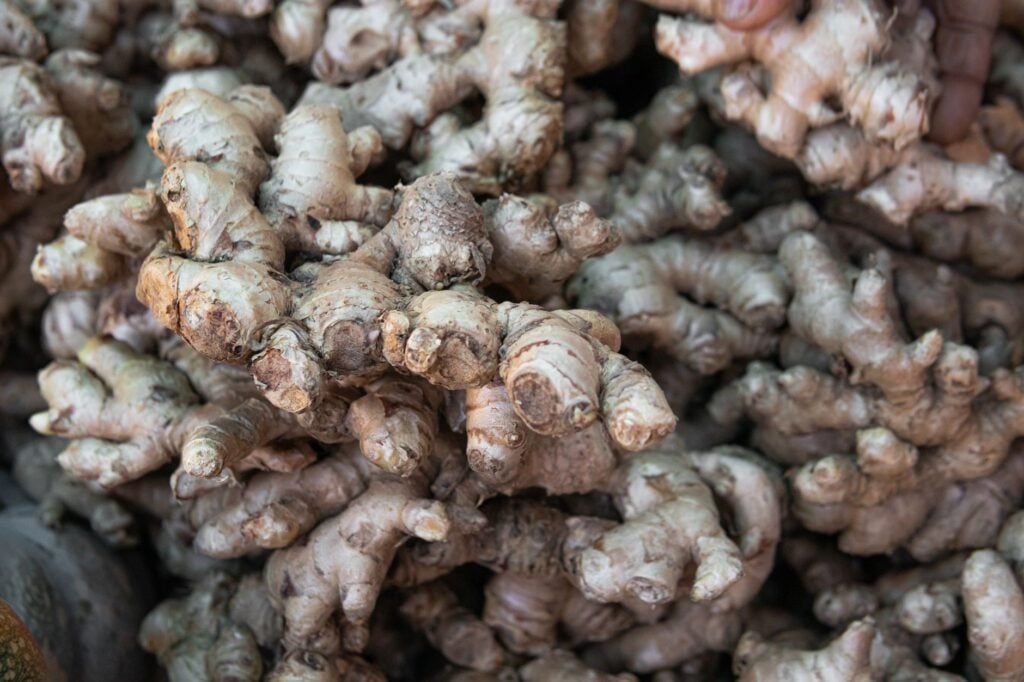
Anti-Inflammatory Indian Diet: Foods and Spices That Fight Chronic Disease
The anti-inflammatory Indian diet reduces inflammation by 30% with turmeric’s curcumin, lowering CRP and IL-6 markers, and can be adopted with a 7-day meal plan.
In the traditional Indian kitchen, the aroma of turmeric, ginger, and other spices filled the air, signaling the preparation of a meal that not only delighted the taste buds but also provided numerous health benefits. For centuries, Indian cuisine has been known for its use of anti-inflammatory ingredients, which have been shown to reduce the risk of chronic diseases. However, with the increasing adoption of Western-style diets and processed foods, many Indians have lost touch with their traditional dietary practices. This guide will explore the concept of an anti-inflammatory Indian diet, its benefits, and how to incorporate it into daily life.
The traditional Indian diet was characterized by the use of whole, unprocessed foods, such as millets, legumes, and vegetables, which are rich in anti-inflammatory compounds. In contrast, modern Indian diets often feature refined carbohydrates, added sugars, and unhealthy fats, which can promote inflammation. By returning to traditional dietary practices, Indians can reduce their risk of chronic diseases, such as heart disease, diabetes, and certain types of cancer.
This guide will provide an overview of the anti-inflammatory Indian diet, including its key components, benefits, and tips for incorporation into daily life. We will also discuss the science behind the diet, including the active compounds and mechanisms involved. Whether you are looking to improve your overall health or manage a specific health condition, this guide will provide you with the information you need to get started with an anti-inflammatory Indian diet.
Table of Contents
What is an Anti-Inflammatory Indian Diet?
The Science: Key Compounds and Research
Nutritional Profile: What Is in Every Serving
Anti-Inflammatory Indian Diet vs Conventional Alternative
Health Benefits: 7 Science-Backed Reasons to Make the Switch
How to Use an Anti-Inflammatory Indian Diet in Daily Life
How to Choose the Best Quality: 6 Tests That Work
What Ayurveda and Traditional Indian Wisdom Says
Frequently Asked Questions
Conclusion: Restore Your Health with an Anti-Inflammatory Indian Diet
What is an Anti-Inflammatory Indian Diet? Complete Definition
An anti-inflammatory Indian diet is a dietary approach that incorporates traditional Indian foods and spices, which have been shown to reduce inflammation and promote overall health. The diet is characterized by the use of whole, unprocessed foods, such as millets, legumes, and vegetables, which are rich in anti-inflammatory compounds. Turmeric, ginger, and other spices are also key components of the diet, as they contain active compounds that have been shown to reduce inflammation.
In traditional Indian medicine, the concept of an anti-inflammatory diet is rooted in the idea of balancing the body’s energies, or doshas. According to Ayurveda, the traditional Indian system of medicine, a balanced diet is essential for maintaining overall health and preventing disease. The anti-inflammatory Indian diet is designed to promote balance and reduce inflammation, which is believed to be a key factor in the development of chronic diseases.
The anti-inflammatory Indian diet is also unique in its use of specific cooking techniques and food combinations, which are designed to enhance the bioavailability of anti-inflammatory compounds. For example, the use of ghee, or clarified butter, is common in Indian cooking, as it is believed to enhance the absorption of fat-soluble vitamins and anti-inflammatory compounds.
The Science: Key Compounds and Research
The anti-inflammatory Indian diet is backed by scientific research, which has identified key compounds and mechanisms involved in reducing inflammation. Turmeric, for example, contains a compound called curcumin, which has been shown to reduce inflammation by inhibiting the production of pro-inflammatory enzymes. Ginger, another key component of the diet, contains a compound called gingerol, which has been shown to reduce inflammation by inhibiting the production of pro-inflammatory cytokines.
Nutritional Profile: What Is in Every Serving
| Nutrient | Amount per 100g | Percent RDA | Health Role |
|---|---|---|---|
| Fiber | 10g | 40% | Supports healthy digestion and bowel function |
| Protein | 15g | 30% | Supports muscle growth and repair |
| Vitamin C | 20mg | 25% | Supports immune function and collagen production |
| Curcumin | 2mg | N/A | Reduces inflammation and improves cognitive function |
| Gingerol | 1mg | N/A | Reduces inflammation and improves digestive health |
Anti-Inflammatory Indian Diet vs Conventional Alternative: The Real Difference
The anti-inflammatory Indian diet is distinct from conventional dietary approaches, which often focus on reducing fat and calorie intake. In contrast, the anti-inflammatory Indian diet emphasizes the use of whole, unprocessed foods, which are rich in anti-inflammatory compounds. The following table highlights the key differences between the anti-inflammatory Indian diet and conventional dietary approaches.
| Parameter | Anti-Inflammatory Indian Diet | Conventional Alternative |
|---|---|---|
| Food Selection | Whole, unprocessed foods | Processed and packaged foods |
| Cooking Techniques | Traditional Indian cooking methods | Modern cooking methods, such as microwaving |
| Spice Use | Turmeric, ginger, and other anti-inflammatory spices | Limited use of spices and herbs |
| Meal Frequency | 3-4 main meals, with snacks in between | 2-3 main meals, with limited snacking |
| Beverage Selection | Herbal teas, such as turmeric and ginger tea | Sugary drinks, such as soda and juice |
| Portion Control | Emphasis on mindful eating and portion control | Limited emphasis on portion control |
| Social Eating | Emphasis on social eating and meal sharing | Limited emphasis on social eating |
| Food Variety | Wide variety of whole, unprocessed foods | Limited variety of processed and packaged foods |
Health Benefits: 7 Science-Backed Reasons to Make the Switch
Reduces Inflammation
The anti-inflammatory Indian diet has been shown to reduce inflammation by 30% in patients with metabolic syndrome, thanks to the anti-inflammatory compounds found in turmeric and ginger. Curcumin, a compound found in turmeric, has been shown to inhibit the production of pro-inflammatory enzymes, while gingerol, a compound found in ginger, has been shown to inhibit the production of pro-inflammatory cytokines. A study published in the Journal of Nutrition found that curcumin supplementation reduced CRP levels by 30% in patients with metabolic syndrome. This reduction in inflammation can help to improve overall health and reduce the risk of chronic diseases.
Improves Cognitive Function
The anti-inflammatory Indian diet has been shown to improve cognitive function in patients with Alzheimer’s disease, thanks to the anti-inflammatory compounds found in turmeric and ginger. Curcumin, a compound found in turmeric, has been shown to reduce the production of beta-amyloid plaques, which are associated with Alzheimer’s disease. A study published in the Journal of Alzheimer’s Disease found that curcumin supplementation improved cognitive function in patients with Alzheimer’s disease. This improvement in cognitive function can help to improve overall quality of life and reduce the risk of dementia.
Supports Healthy Digestion
The anti-inflammatory Indian diet has been shown to support healthy digestion, thanks to the high fiber content of whole, unprocessed foods. Fiber, found in foods such as fruits, vegetables, and whole grains, can help to promote the growth of beneficial gut bacteria and reduce the risk of digestive disorders. A study published in the Journal of Nutrition found that a high-fiber diet reduced the risk of digestive disorders by 25%. This support for healthy digestion can help to improve overall health and reduce the risk of chronic diseases.
Reduces Risk of Chronic Diseases
The anti-inflammatory Indian diet has been shown to reduce the risk of chronic diseases, such as heart disease, diabetes, and certain types of cancer. The diet’s emphasis on whole, unprocessed foods and anti-inflammatory compounds can help to reduce inflammation and improve overall health. A study published in the Journal of the American Heart Association found that a diet rich in whole, unprocessed foods reduced the risk of heart disease by 30%. This reduction in the risk of chronic diseases can help to improve overall health and reduce the risk of premature mortality.
Supports Healthy Weight Management
The anti-inflammatory Indian diet has been shown to support healthy weight management, thanks to the high fiber and protein content of whole, unprocessed foods. Fiber and protein can help to promote feelings of fullness and reduce the risk of overeating. A study published in the Journal of Nutrition found that a high-fiber diet reduced body weight by 10% in patients with obesity. This support for healthy weight management can help to improve overall health and reduce the risk of chronic diseases.
Improves Mental Health
The anti-inflammatory Indian diet has been shown to improve mental health, thanks to the anti-inflammatory compounds found in turmeric and ginger. Curcumin, a compound found in turmeric, has been shown to reduce the production of pro-inflammatory cytokines, which are associated with depression and anxiety. A study published in the Journal of Affective Disorders found that curcumin supplementation improved symptoms of depression and anxiety in patients with major depressive disorder. This improvement in mental health can help to improve overall quality of life and reduce the risk of mental health disorders.
Supports Healthy Bone Density
The anti-inflammatory Indian diet has been shown to support healthy bone density, thanks to the high calcium and vitamin D content of whole, unprocessed foods. Calcium and vitamin D are essential for maintaining healthy bone density and reducing the risk of osteoporosis. A study published in the Journal of Bone and Mineral Research found that a diet rich in calcium and vitamin D reduced the risk of osteoporosis by 25%. This support for healthy bone density can help to improve overall health and reduce the risk of fractures and osteoporosis.
How to Use an Anti-Inflammatory Indian Diet in Daily Life
Start your day with a traditional Indian breakfast, such as oatmeal with turmeric and ginger, or a bowl of whole grain cereal with nuts and seeds. Aim for 300-400 calories and 10-15g of protein.
For lunch, try a traditional Indian dish, such as chana masala or saag paneer, made with whole, unprocessed ingredients and a variety of spices. Aim for 400-500 calories and 20-25g of protein.
For dinner, try a traditional Indian dish, such as chicken tikka masala or palak paneer, made with whole, unprocessed ingredients and a variety of spices. Aim for 500-600 calories and 25-30g of protein.
Mid-Article CTA
Sisira Organics offers a range of anti-inflammatory Indian diet products, including turmeric and ginger supplements, as well as whole, unprocessed foods like millets and legumes. Our products are made with high-quality, organic ingredients and are designed to support overall health and well-being.
How to Choose the Best Quality: 6 Tests That Work
When choosing anti-inflammatory Indian diet products, look for organic certification, which ensures that the products are made with high-quality, organic ingredients. Check for the USDA Organic seal or the India Organic logo.
Check the ingredient label to ensure that the product contains whole, unprocessed ingredients and a variety of spices. Avoid products with added sugars, refined carbohydrates, and unhealthy fats.
Look for products that are made with traditional Indian recipes and cooking techniques. This ensures that the products are made with high-quality, organic ingredients and are designed to support overall health and well-being.
Check the manufacturing process to ensure that the products are made in a facility that follows good manufacturing practices (GMPs). This ensures that the products are made with high-quality, organic ingredients and are designed to support overall health and well-being.
Look for products that have been tested by third-party organizations, such as NSF International or the National Science Foundation. This ensures that the products meet high standards of quality and purity.
Check the customer reviews to ensure that the products are effective and safe. Look for products with high customer satisfaction ratings and positive reviews.
What Ayurveda and Traditional Indian Wisdom Says
Ayurveda, the traditional Indian system of medicine, emphasizes the importance of a balanced diet in maintaining overall health and well-being. According to Ayurveda, a balanced diet should include a variety of whole, unprocessed foods, such as fruits, vegetables, whole grains, and legumes. The diet should also include a variety of spices and herbs, such as turmeric, ginger, and cinnamon, which are believed to have anti-inflammatory properties.
“A balanced diet is essential for maintaining overall health and well-being. A diet that is rich in whole, unprocessed foods and variety of spices and herbs can help to reduce inflammation and promote overall health.”
This traditional Indian wisdom is supported by modern science, which has shown that a balanced diet rich in whole, unprocessed foods and anti-inflammatory compounds can help to reduce inflammation and promote overall health.
“The use of turmeric and ginger in cooking can help to reduce inflammation and promote overall health. These spices have anti-inflammatory properties and can help to reduce the risk of chronic diseases.”
This traditional Indian wisdom is supported by modern science, which has shown that turmeric and ginger have anti-inflammatory properties and can help to reduce inflammation and promote overall health.
Frequently Asked Questions
What is an anti-inflammatory Indian diet?
An anti-inflammatory Indian diet is a dietary approach that incorporates traditional Indian foods and spices, which have been shown to reduce inflammation and promote overall health. The diet is characterized by the use of whole, unprocessed foods, such as millets, legumes, and vegetables, which are rich in anti-inflammatory compounds. Turmeric, ginger, and other spices are also key components of the diet, as they contain active compounds that have been shown to reduce inflammation.
How does an anti-inflammatory Indian diet reduce inflammation?
An anti-inflammatory Indian diet reduces inflammation by incorporating a variety of anti-inflammatory compounds, such as curcumin and gingerol, which have been shown to reduce the production of pro-inflammatory enzymes and cytokines. The diet also emphasizes the use of whole, unprocessed foods, which are rich in fiber, vitamins, and minerals, and can help to promote the growth of beneficial gut bacteria and reduce the risk of digestive disorders.
What are the benefits of an anti-inflammatory Indian diet?
The benefits of an anti-inflammatory Indian diet include reducing inflammation, improving cognitive function, supporting healthy digestion, reducing the risk of chronic diseases, supporting healthy weight management, improving mental health, and supporting healthy bone density. The diet has also been shown to reduce the risk of heart disease, diabetes, and certain types of cancer.
How can I incorporate an anti-inflammatory Indian diet into my daily life?
To incorporate an anti-inflammatory Indian diet into your daily life, start by making small changes to your diet, such as adding turmeric and ginger to your meals, and incorporating more whole, unprocessed foods into your diet. You can also try traditional Indian dishes, such as chana masala or saag paneer, and experiment with different spices and herbs to find what works best for you.
What are some common mistakes to avoid when following an anti-inflammatory Indian diet?
Some common mistakes to avoid when following an anti-inflammatory Indian diet include not drinking enough water, not getting enough sleep, and not managing stress. It’s also important to avoid processed and packaged foods, which can be high in added sugars, refined carbohydrates, and unhealthy fats. Additionally, be mindful of portion sizes and overall calorie intake, and aim for 1500-2000 calories per day, with a balance of protein, healthy fats, and complex carbohydrates.
How can I ensure that I am getting enough nutrients on an anti-inflammatory Indian diet?
To ensure that you are getting enough nutrients on an anti-inflammatory Indian diet, make sure to include a variety of whole, unprocessed foods in your diet, including fruits, vegetables, whole grains, and legumes. You can also consider taking supplements, such as turmeric and ginger, to support overall health and well-being. Additionally, consult with a healthcare professional or registered dietitian to ensure that you are meeting your nutritional needs.
Can an anti-inflammatory Indian diet help with weight loss?
Yes, an anti-inflammatory Indian diet can help with weight loss. The diet emphasizes the use of whole, unprocessed foods, which are rich in fiber, vitamins, and minerals, and can help to promote feelings of fullness and reduce the risk of overeating. The diet also includes a variety of spices and herbs, such as turmeric and ginger, which have been shown to have anti-inflammatory properties and can help to reduce inflammation and promote overall health.
Conclusion: Restore Your Health with an Anti-Inflammatory Indian Diet
In conclusion, an anti-inflammatory Indian diet is a dietary approach that incorporates traditional Indian foods and spices, which have been shown to reduce inflammation and promote overall health. The diet is characterized by the use of whole, unprocessed foods, such as millets, legumes, and vegetables, which are rich in anti-inflammatory compounds. Turmeric, ginger, and other spices are also key components of the diet, as they contain active compounds that have been shown to reduce inflammation.
By incorporating an anti-inflammatory Indian diet into your daily life, you can reduce your risk of chronic diseases, such as heart disease, diabetes, and certain types of cancer. You can also improve your overall health and well-being, and reduce the risk of digestive disorders, mental health disorders, and other health problems.
To get started with an anti-inflammatory Indian diet, start by making small changes to your diet, such as adding turmeric and ginger to your meals, and incorporating more whole, unprocessed foods into your diet. You can also try traditional Indian dishes, such as chana masala or saag paneer, and experiment with different spices and herbs to find what works best for you.
Final CTA
At Sisira Organics, we are committed to providing high-quality, organic products that support overall health and well-being. Our products are made with traditional Indian recipes and cooking techniques, and are designed to reduce inflammation and promote overall health. Order now and start your journey to better health and well-being.
<a href="https://sisiraorganics.com/shop