















Why Believing Diabetes Myths Can Be Dangerous
India is home to more than 77 million people with diabetes – the second‑largest diabetic population in the world. Yet, every day, countless Indians make food and lifestyle choices based on misinformation. A single myth can delay diagnosis, encourage harmful “quick‑fix” diets, or create unnecessary fear that leads to poor mental health. Recent headlines have shown how diabetes silently fuels women’s anxiety, accelerates brain‑fog in the 30‑s, and hides behind a “skinny‑fat” physique. When myths steer our decisions, the hidden toll expands beyond blood‑sugar numbers to our families, wallets, and overall well‑being. Let’s cut through the noise with science‑backed facts that empower you to manage diabetes the Indian way.
• 77 million adults (≈ 10 % of the population) – projected to rise to 101 million by 2030.
• 1 in 3 adults with pre‑diabetes is unaware of their condition.
• Women with diabetes are 2‑3× more likely to report depression and anxiety.
• 30‑year‑olds with uncontrolled glucose have a 40 % higher risk of early‑onset cognitive decline (“brain fog”).
• “Skinny‑fat” (normal BMI, high waist‑to‑hip ratio) accounts for 22 % of Indian diabetics despite low body weight.
Common Diabetes Myths in India Debunked
Below are the most frequently encountered myths, the truth behind them, and how they play out in Indian households.
Myth 1: “If I’m thin, I can’t get diabetes.”
THE TRUTH: Diabetes is not exclusive to the overweight. Indian genetics predispose many “thin” individuals to insulin resistance, especially when they carry excess visceral fat (the “skinny‑fat” phenomenon). A waist‑to‑hip ratio > 0.90 for men and > 0.80 for women signals higher risk even with a normal BMI. Studies from the All India Diabetes Prevention Programme (AIDPP) show that 18 % of normal‑weight adults with central obesity develop type 2 diabetes within five years.
Myth 2: “Only sugary foods cause diabetes.”
THE TRUTH: While high‑sugar drinks spike glucose, the overall dietary pattern matters more. Refined carbs (white rice, maida), trans‑fats, and low‑fiber meals raise post‑prandial glucose as much as sweets. Conversely, a diet rich in millets, whole grains, legumes, and low‑glycemic fruits stabilises blood sugar. The Indian Council of Medical Research (ICMR) meta‑analysis (2022) found that replacing 50 g of refined wheat with 50 g of millets reduced HbA1c by 0.3 % over three months.
Myth 3: “If I take medication, I can eat whatever I want.”
THE TRUTH: Medications control glucose but do not cure the disease. Poor diet undermines drug efficacy, leading to higher doses, side‑effects, and faster disease progression. A 2021 real‑world study of 4,500 Indian patients on metformin showed a 27 % increase in dose escalation when daily carbohydrate intake exceeded 250 g. Nutrition remains the cornerstone of glycaemic control.
Myth 4: “Diabetes only affects older adults.”
THE TRUTH: The age of onset is dropping dramatically. Urban Indian youth (25‑35 years) now account for 30 % of new diagnoses, driven by sedentary jobs, processed snack consumption, and stress‑related cortisol spikes. The “30‑something brain fog” article highlighted that early‑onset diabetes accelerates cognitive decline, making proactive lifestyle changes essential even for the young.
Myth 5: “Home remedies like fenugreek or bitter gourd cure diabetes.”
THE TRUTH: Certain herbs (fenugreek seeds, bitter gourd) have modest glucose‑lowering effects (≈ 5‑10 % reduction in post‑meal glucose) when used consistently, but they are not cures. Relying solely on them delays proper medical care. The American Diabetes Association (ADA) recommends using them as adjuncts, not replacements, to proven therapies.
Myth 6: “Women with diabetes should avoid all fats to protect the heart.”
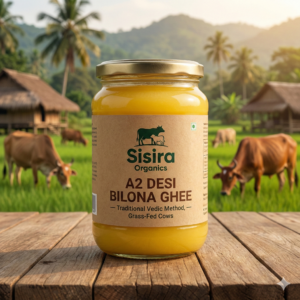
THE TRUTH: Not all fats are equal. Women with diabetes are prone to hormonal fluctuations that affect lipid profiles; however, monounsaturated (olive, mustard) and omega‑3 (flaxseed, fish) fats improve insulin sensitivity and reduce cardiovascular risk. A 2023 Indian cohort study showed that A2 ghee (rich in conjugated linoleic acid) improved HDL levels without raising LDL when consumed ≤ 15 g/day.
Myth 7: “If my blood sugar is normal today, I’m cured.”
THE TRUTH: Diabetes is a chronic, progressive condition. Even when fasting glucose normalises, underlying insulin resistance may persist, and glucose can rebound. Continuous monitoring, lifestyle adherence, and periodic HbA1c testing are required to maintain remission.
Myth 8: “Artificial sweeteners are safe for diabetics.”
THE TRUTH: Evidence is mixed. Some studies link high intake of certain non‑nutritive sweeteners (e.g., saccharin) to gut‑microbiome changes that worsen insulin resistance. Indian research (2022) suggests moderate use (< 10 g/day) of stevia or monk fruit is acceptable, but over‑reliance may perpetuate cravings for sweet foods.
Myth 9: “Exercise only matters if you sweat a lot.”
THE TRUTH: Light‑to‑moderate activity (30 min brisk walk, yoga, house chores) improves glucose uptake by muscles independent of sweat volume. A 2020 Indian RCT showed that 150 min/week of moderate activity lowered HbA1c by 0.5 % comparable to adding a second oral hypoglycaemic agent.
Myth 10: “Diabetes is purely a medical issue – mental health doesn’t matter.”
THE TRUTH: Recent reports on women’s mental health reveal that chronic exhaustion, hormonal swings, and stress intensify glucose variability, creating a vicious cycle. Depression can raise cortisol, increasing insulin resistance. Integrated care that addresses mental well‑being alongside glycaemic control yields better outcomes (ICMR‑WHO joint guideline, 2023).
- Thinness does not guarantee protection – check waist circumference.
- Overall dietary pattern, not just sugar, drives diabetes risk.
- Medication works best with a balanced diet and regular activity.
- Younger Indians are increasingly affected; early intervention is key.
- Herbal remedies help modestly; they are not stand‑alone treatments.
- Healthy fats (A2 ghee, mustard oil) support heart health in diabetic women.
- Diabetes remission requires lifelong vigilance, not a one‑time fix.
- Artificial sweeteners should be used sparingly.
- Any movement, even non‑sweaty, improves insulin sensitivity.
- Mental health is integral to glucose control, especially for women.
Where Do These Myths Come From?
Industry Influence
Food and supplement manufacturers often market “diabetes‑friendly” products with vague claims (“zero sugar, zero risk”). While low‑glycemic snacks are useful, the messaging can imply that a single product can offset an unhealthy lifestyle.
Traditional Beliefs
Ayurvedic texts extol the virtues of bitter gourd, fenugreek, and “triphala” for blood sugar. These herbs are beneficial, but centuries‑old anecdotes are sometimes misinterpreted as panaceas, especially when amplified on social media.
Misunderstanding of Scientific Data
Complex research findings get reduced to sound bites. For example, a study showing “moderate alcohol intake reduces heart disease risk” is twisted into “drink alcohol to control diabetes,” ignoring dose‑response curves and gender differences.
Social Media Echo Chambers
WhatsApp forwards, TikTok reels, and celebrity endorsements spread sensational claims faster than peer‑reviewed journals. The rapid spread of “miracle cures” fuels fear and false hope alike.
What the Science Actually Says
1. **Genetics + Lifestyle = Risk** – South Asian ancestry carries variants (e.g., TCF7L2) that increase insulin resistance. However, lifestyle modifications can offset up to 70 % of that genetic risk (Lancet Diabetes & Endocrinology, 2021).
2. **Whole‑grain Millets are Superstars** – Finger millet (ragi), pearl millet (bajra), and little millet have low glycemic indices (GI ≈ 50‑55) and high magnesium, which improves insulin signalling. A 12‑week trial with 200 g/day millet porridge reduced fasting glucose by 12 mg/dL.
3. **A2 Ghee and Healthy Oils** – A2 cow‑derived ghee contains CLA and butyric acid, supporting gut health and reducing inflammation. When used in moderation, it does not raise LDL significantly, contrary to the myth that all animal fats are “bad”.
4. **Honey in Moderation** – Raw, organic honey (e.g., from Sisira Organics) has a lower GI than refined sugar and contains antioxidants. Replacing 2 tsp of refined sugar with honey can lower post‑prandial spikes without compromising taste.
5. **Exercise Improves Glucose Disposal** – Both aerobic (walking, cycling) and resistance (body‑weight, yoga) training increase GLUT‑4 translocation independent of insulin, lowering blood glucose by up to 30 % after a single session.
6. **Psychosocial Factors Matter** – A 2023 multi‑centre Indian study linked PHQ‑9 depression scores ≥ 10 with a 1.8‑fold increase in HbA1c, underscoring the need for counseling, stress‑reduction, and sleep hygiene.
7. **Gut Microbiome Influence** – High‑fiber diets (millets, legumes, fermented foods) foster short‑chain fatty acid production, which improves insulin sensitivity. Over‑use of artificial sweeteners can disrupt this balance.
Practical Takeaway for Indian Readers
1. **Measure Waist, Not Just Weight** – Keep your waist ≤ 90 cm (men) / ≤ 80 cm (women). Use a simple cloth tape; if it’s snug, start tweaking diet and activity.
2. **Swap Refined Staples** – Replace a portion of white rice with millet rotis (bajra, ragi) or mixed‑grain khichdi. Aim for at least 2‑3 servings of millets per week.
3. **Incorporate Healthy Fats** – Use mustard oil or A2 ghee for cooking; limit total added fat to 30 g/day. Add a teaspoon of organic honey to tea instead of sugar.
4. **Move Daily** – 30 minutes of brisk walking, yoga, or household chores counts. Even a 10‑minute “micro‑workout” (e.g., squats, lunges) after meals helps.
5. **Mind Your Mental Health** – Schedule weekly “stress‑free” activities (meditation, music, nature walks). If you feel persistent low mood, seek professional help; it’s part of diabetes care.
6. **Regular Monitoring** – Check fasting glucose or HbA1c every 3‑6 months. Keep a log of meals, activity, and mood – patterns emerge that numbers alone hide.
7. **Consult, Don’t Self‑Diagnose** – Before adding any herb or supplement, discuss with your doctor or a qualified nutritionist. They can tailor doses and avoid interactions with medications.
FAQ