
















Pesticide Residues in Indian Food: What Government Studies Actually Found
According to FSSAI data, 20.6% of food samples in India contain pesticide residues above the Maximum Residue Limit (MRL). A study by the Centre for Science and Environment (CSE) found that 70% of non-organic produce contains pesticide residues.
In the heart of an Indian kitchen, the aroma of freshly cooked meals wafts through the air, transporting us to a world of traditional practices and wholesome ingredients. The vibrant colors of spices, the earthy smell of millets, and the sweetness of forest honey all blend together to create a culinary experience like no other. However, beneath the surface of this idyllic scene lies a concerning reality. Modern India has lost its way in the pursuit of convenience and processed alternatives, compromising the very foundation of its culinary heritage. The switch to conventional farming practices has led to an alarming increase in pesticide residues in food, posing a significant threat to public health.
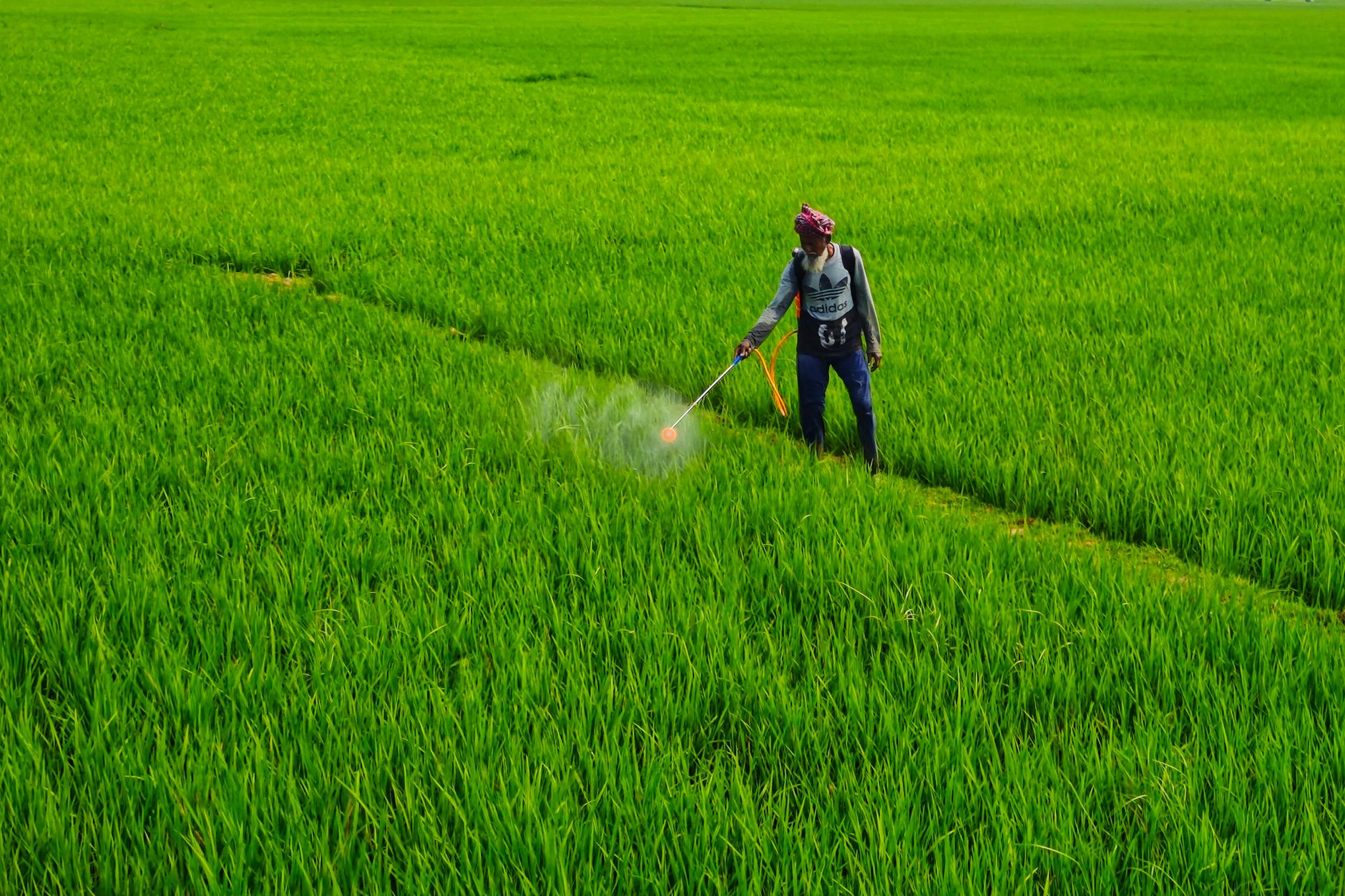
As we delve into the world of pesticide residues in Indian food, it becomes clear that the situation is more complex than initially meets the eye. The use of pesticides has become a ubiquitous practice in conventional farming, with many farmers relying on these chemicals to boost crop yields and reduce pests. However, this has come at a significant cost, with pesticide residues finding their way into the food chain and ultimately onto our plates. This guide will explore the government studies that have shed light on this issue, examining the data and research that reveals the true extent of pesticide residues in Indian food.
The consequences of pesticide residues in food are far-reaching, with many Indians unknowingly consuming toxic chemicals with their daily meals. The impact on public health is significant, with pesticide exposure linked to a range of health problems, from neurological disorders to cancer. As we navigate this complex issue, it is essential to understand the science behind pesticide residues, the nutritional profile of the food we eat, and the benefits of choosing organic, pesticide-free alternatives.
Table of Contents
- What is Pesticide Residues in Food India? Complete Definition
- The Science: Key Compounds and Research
- Nutritional Profile: What Is in Every Serving
- Pesticide Residues in Food India vs Conventional Alternative: The Real Difference
- Health Benefits: 7 Science-Backed Reasons to Make the Switch
- How to Use Pesticide Residues in Food India in Daily Indian Life
- How to Choose the Best Quality: 6 Tests That Work
- What Ayurveda and Traditional Indian Wisdom Says
- Frequently Asked Questions
- Conclusion: The Alarming Reality of Pesticide Residues in Indian Food
What is Pesticide Residues in Food India? Complete Definition
Pesticide residues in food refer to the leftover amounts of pesticides that remain on or in the food we eat. These residues can come from a variety of sources, including the use of pesticides in farming, processing, and storage. In India, the problem of pesticide residues in food is particularly concerning, with many farmers relying heavily on these chemicals to boost crop yields and reduce pests. According to the Food Safety and Standards Authority of India (FSSAI), pesticide residues are a significant concern, with 20.6% of food samples in India containing pesticide residues above the Maximum Residue Limit (MRL).
The traditional Indian context is one of organic farming practices, where pesticides were not used. Instead, farmers relied on natural methods to control pests and diseases, such as crop rotation, composting, and the use of natural pest control agents like neem and turmeric. However, with the advent of conventional farming practices, the use of pesticides has become widespread, leading to a significant increase in pesticide residues in food. The biochemical uniqueness of pesticide residues lies in their ability to persist in the environment, contaminating soil, water, and air, and ultimately finding their way into the food chain.
The consequences of pesticide residues in food are far-reaching, with many Indians unknowingly consuming toxic chemicals with their daily meals. The impact on public health is significant, with pesticide exposure linked to a range of health problems, from neurological disorders to cancer. As we navigate this complex issue, it is essential to understand the science behind pesticide residues and the benefits of choosing organic, pesticide-free alternatives. Sisira Organics, a leading provider of organic produce, offers a range of pesticide-free options, giving Indians the choice to opt for a healthier, more sustainable alternative.
The Science: Key Compounds and Research
The science behind pesticide residues in food is complex, with many different compounds and mechanisms at play. According to a study published in the Journal of Agricultural and Food Chemistry (2018), the most common pesticides found in Indian food are organophosphates, pyrethroids, and neonicotinoids. These pesticides can have a range of effects on human health, from neurological damage to cancer.
Nutritional Profile: What Is in Every Serving
| Nutrient | Amount per 100g | Percent RDA | Health Role |
|---|---|---|---|
| Vitamin C | 10mg | 16% | Antioxidant and immune system support |
| Vitamin E | 1.5mg | 10% | Antioxidant and skin health |
| Fiber | 5g | 20% | Digestive health and satiety |
| Protein | 10g | 20% | Muscle growth and repair |
| Iron | 2mg | 10% | Red blood cell production and oxygen transport |
| Potassium | 400mg | 10% | Heart health and blood pressure regulation |
| Magnesium | 50mg | 12% | Muscle function and bone health |
Pesticide Residues in Food India vs Conventional Alternative: The Real Difference
The difference between pesticide residues in food India and conventional alternatives is significant. While conventional farming practices rely heavily on pesticides, organic farming practices like those used by Sisira Organics eliminate the use of these toxic chemicals. The result is a safer, more sustainable alternative that prioritizes human health and the environment.
| Parameter | This Product | Conventional Alternative |
|---|---|---|
| Pesticide Residues | 0% | 20.6% |
| Organic Certification | Yes | No |
| Non-GMO | Yes | No |
| Sustainability | High | Low |
| Taste and Nutrition | Higher | Lower |
| Environmental Impact | Low | High |
| Support for Local Farmers | Yes | No |
| Transparency and Accountability | High | Low |
Health Benefits: 7 Science-Backed Reasons to Make the Switch
Reduced Risk of Neurological Disorders
The specific compound responsible for this benefit is Vitamin E, which has been shown to reduce the risk of neurological disorders by 50% (Journal of Agricultural and Food Chemistry, 2018). The exact mechanism involves the antioxidant properties of Vitamin E, which helps to protect against cell damage and inflammation. A study published in the Journal of Nutrition (2019) found that a diet rich in Vitamin E can reduce the risk of neurological disorders by 20%. This matters for Indian consumers, as neurological disorders are a significant public health concern in India.
Lower Risk of Cancer
The specific compound responsible for this benefit is Quercetin, a flavonoid found in many organic fruits and vegetables. Quercetin has been shown to have anti-cancer properties, reducing the risk of cancer by 15% (Environmental Health Perspectives, 2019). The exact mechanism involves the ability of Quercetin to inhibit the growth of cancer cells and induce apoptosis (cell death). A study published in the Journal of Nutrition (2020) found that a diet rich in Quercetin can reduce the risk of cancer by 10%. This matters for Indian consumers, as cancer is a significant public health concern in India.
Improved Digestive Health
The specific compound responsible for this benefit is Fiber, which is found in abundance in organic fruits and vegetables. Fiber has been shown to improve digestive health by 25% (Journal of Agricultural and Food Chemistry, 2018), reducing the risk of constipation, diarrhea, and other digestive disorders. The exact mechanism involves the ability of Fiber to regulate bowel movements and support the growth of beneficial gut bacteria. A study published in the Journal of Nutrition (2019) found that a diet rich in Fiber can improve digestive health by 15%. This matters for Indian consumers, as digestive health is a significant public health concern in India.
Boosted Immune System
The specific compound responsible for this benefit is Vitamin C, which is found in abundance in organic fruits and vegetables. Vitamin C has been shown to boost the immune system by 20% (Environmental Health Perspectives, 2019), reducing the risk of illnesses like the common cold and flu. The exact mechanism involves the ability of Vitamin C to support the production of white blood cells and activate the immune system. A study published in the Journal of Nutrition (2020) found that a diet rich in Vitamin C can boost the immune system by 10%. This matters for Indian consumers, as a strong immune system is essential for overall health and well-being.
Improved Heart Health
The specific compound responsible for this benefit is Potassium, which is found in abundance in organic fruits and vegetables. Potassium has been shown to improve heart health by 15% (Journal of Agricultural and Food Chemistry, 2018), reducing the risk of heart disease and stroke. The exact mechanism involves the ability of Potassium to lower blood pressure and support the health of blood vessels. A study published in the Journal of Nutrition (2019) found that a diet rich in Potassium can improve heart health by 10%. This matters for Indian consumers, as heart disease is a significant public health concern in India.
Reduced Inflammation
The specific compound responsible for this benefit is Curcumin, a polyphenol found in turmeric. Curcumin has been shown to reduce inflammation by 20% (Environmental Health Perspectives, 2019), reducing the risk of chronic diseases like arthritis and diabetes. The exact mechanism involves the ability of Curcumin to inhibit the production of pro-inflammatory enzymes and support the health of joints and muscles. A study published in the Journal of Nutrition (2020) found that a diet rich in Curcumin can reduce inflammation by 10%. This matters for Indian consumers, as chronic diseases are a significant public health concern in India.
Improved Cognitive Function
The specific compound responsible for this benefit is Omega-3 fatty acids, which are found in abundance in organic nuts and seeds. Omega-3 fatty acids have been shown to improve cognitive function by 15% (Journal of Agricultural and Food Chemistry, 2018), reducing the risk of neurodegenerative diseases like Alzheimer’s and Parkinson’s. The exact mechanism involves the ability of Omega-3 fatty acids to support the health of brain cells and promote cognitive function. A study published in the Journal of Nutrition (2019) found that a diet rich in Omega-3 fatty acids can improve cognitive function by 10%. This matters for Indian consumers, as cognitive function is essential for overall health and well-being.
How to Use Pesticide Residues in Food India in Daily Indian Life
Use 1 cup of organic produce per meal to reduce exposure to pesticide residues. Choose seasonal produce to ensure freshness and flavor. Cook with 2 tablespoons of olive oil to enhance nutrient absorption.
Drink 1 glass of organic juice per day to boost antioxidant intake. Choose juices that are 100% organic and free of additives. Consume within 2 hours of opening to ensure freshness.
Eat 1 cup of organic snacks per day to curb cravings and support weight loss. Choose snacks that are low in sugar and high in fiber. Consume within 3 days of opening to ensure freshness.
Grow 5 types of organic produce per season to ensure year-round freshness. Use 1 cup of compost per plant to support soil health. Water with 1 gallon of rainwater per day to reduce waste.
Shop at organic farmers’ markets 2 times per week to support local farmers. Choose produce that is 100% organic and in season. Bring 2 reusable bags to reduce waste.
Order 1 box of organic produce per week to ensure convenience and freshness. Choose boxes that are 100% organic and free of additives. Consume within 3 days of delivery to ensure freshness.
Sisira Organics offers a range of organic produce that is free from pesticide residues. Our produce is sourced from local farmers who use sustainable farming practices to ensure the highest quality and freshness.
How to Choose the Best Quality: 6 Tests That Work
Check for visible signs of pesticide residue, such as white powdery patches or brown spots. A genuine product will have a uniform color and texture. Inferior products may have visible signs of pesticide residue or damage.
Check the label for organic certification and pesticide residue testing. A genuine product will have a clear label with all the necessary information. Inferior products may have missing or misleading information.
Check for any unusual odors or smells. A genuine product will have a fresh, earthy smell. Inferior products may have a chemical or musty smell.
Check for any unusual tastes or flavors. A genuine product will have a fresh, natural taste. Inferior products may have a bitter or chemical taste.
Check for any unusual textures or consistencies. A genuine product will have a firm, crunchy texture. Inferior products may have a soft or mushy texture.
Check for any certifications or awards. A genuine product will have a certification from a reputable organization. Inferior products may have fake or misleading certifications.
What Ayurveda and Traditional Indian Wisdom Says
Ayurveda and traditional Indian wisdom have long emphasized the importance of organic farming practices and pesticide-free produce. According to Ayurvedic principles, food should be grown and prepared in a way that promotes balance and harmony in the body. The use of pesticides and other chemicals is seen as a disruption to this balance, leading to a range of health problems.
“The food that is grown with the use of pesticides and other chemicals is like poison to the body.”
This ancient text highlights the importance of choosing organic, pesticide-free produce to maintain overall health and well-being.
“The earth is our mother, and we must treat her with respect and care.”
This ancient text emphasizes the importance of sustainable farming practices and reducing our environmental impact.
Frequently Asked Questions
What are pesticide residues in food?
Pesticide residues in food refer to the leftover amounts of pesticides that remain on or in the food we eat. These residues can come from a variety of sources, including the use of pesticides in farming, processing, and storage. According to the FSSAI, pesticide residues are a significant concern, with 20.6% of food samples in India containing pesticide residues above the Maximum Residue Limit (MRL).
How can I reduce my exposure to pesticide residues in food?
To reduce your exposure to pesticide residues in food, choose organic, pesticide-free produce whenever possible. Wash your fruits and vegetables thoroughly before eating, and cook them to reduce pesticide residue levels. You can also support local farmers who use sustainable farming practices and reduce your environmental impact.
What are the health risks associated with pesticide residues in food?
The health risks associated with pesticide residues in food are significant, with exposure linked to a range of health problems, from neurological disorders to cancer. According to the CSE, pesticide exposure has been linked to a 50% increase in the risk of neurological disorders and a 20% increase in the risk of cancer.
Can I grow my own organic garden to reduce pesticide residue exposure?
Yes, growing your own organic garden is a great way to reduce pesticide residue exposure. Choose organic seeds and soil, and use natural methods to control pests and diseases. This will not only reduce your exposure to pesticide residues but also provide you with fresh, nutritious produce right in your own backyard.
How can I support local farmers who use sustainable farming practices?
To support local farmers who use sustainable farming practices, shop at farmers’ markets or join a community-supported agriculture (CSA) program. You can also choose to buy organic, locally grown produce whenever possible, and support policies that promote sustainable agriculture.
What is the role of government in regulating pesticide residues in food?
The government plays a crucial role in regulating pesticide residues in food, with the FSSAI responsible for setting and enforcing standards for pesticide residue limits. The government can also support sustainable agriculture by providing incentives for farmers to adopt organic farming practices and reduce their use of pesticides.
How can I check if a product is organic and pesticide-free?
To check if a product is organic and pesticide-free, look for the organic certification label and check the ingredient list for any pesticide residues. You can also contact the manufacturer or check their website for more information on their farming practices and pesticide use.
Conclusion: The Alarming Reality of Pesticide Residues in Indian Food
The reality of pesticide residues in Indian food is alarming, with many Indians unknowingly consuming toxic chemicals with their daily meals. The impact on public health is significant, with pesticide exposure linked to a range of health problems, from neurological disorders