















High Fiber Indian Foods: The Complete Guide to Better Digestion Naturally
High fiber Indian foods like barnyard millet (12g per 100g) and jowar (10g per 100g) can help meet the daily fiber requirement, supporting better digestion and overall health.
In a traditional Indian kitchen, the aroma of freshly cooked millets and the sound of grinding spices are an integral part of the daily routine. The kitchen is where the family comes together to share stories and create memories. However, with the increasing influence of modernization and urbanization, many Indians have switched to processed and refined foods, leading to a significant decrease in the consumption of high fiber Indian foods. This shift has resulted in a rise in digestive issues, such as constipation and bloating, which are now common problems in many Indian households.
The traditional Indian diet, which was once rich in fiber and nutrients, has been replaced by a diet that is high in sugar, salt, and unhealthy fats. This change has not only affected the digestive health of Indians but also led to an increased risk of chronic diseases like diabetes, heart disease, and certain types of cancer. In this guide, we will explore the importance of high fiber Indian foods, their nutritional profile, and how they can be incorporated into our daily diet to support better digestion and overall health.
As we delve into the world of high fiber Indian foods, we will discover the science behind their nutritional benefits, the traditional Indian context in which they were consumed, and the biochemical uniqueness that sets them apart from conventional alternatives. We will also learn how to use these foods in our daily lives, how to choose the best quality products, and what Ayurveda and traditional Indian wisdom have to say about their importance.
Table of Contents
- What is High Fiber Indian Foods?
- The Science: Key Compounds and Research
- Nutritional Profile: What Is in Every Serving
- High Fiber Indian Foods vs Conventional Alternative: The Real Difference
- Health Benefits: 7 Science-Backed Reasons to Make the Switch
- How to Use High Fiber Indian Foods in Daily Indian Life
- How to Choose the Best Quality: 6 Tests That Work
- What Ayurveda and Traditional Indian Wisdom Says
- Frequently Asked Questions
- Conclusion: Restoring the Balance of Nature
What is High Fiber Indian Foods? Complete Definition
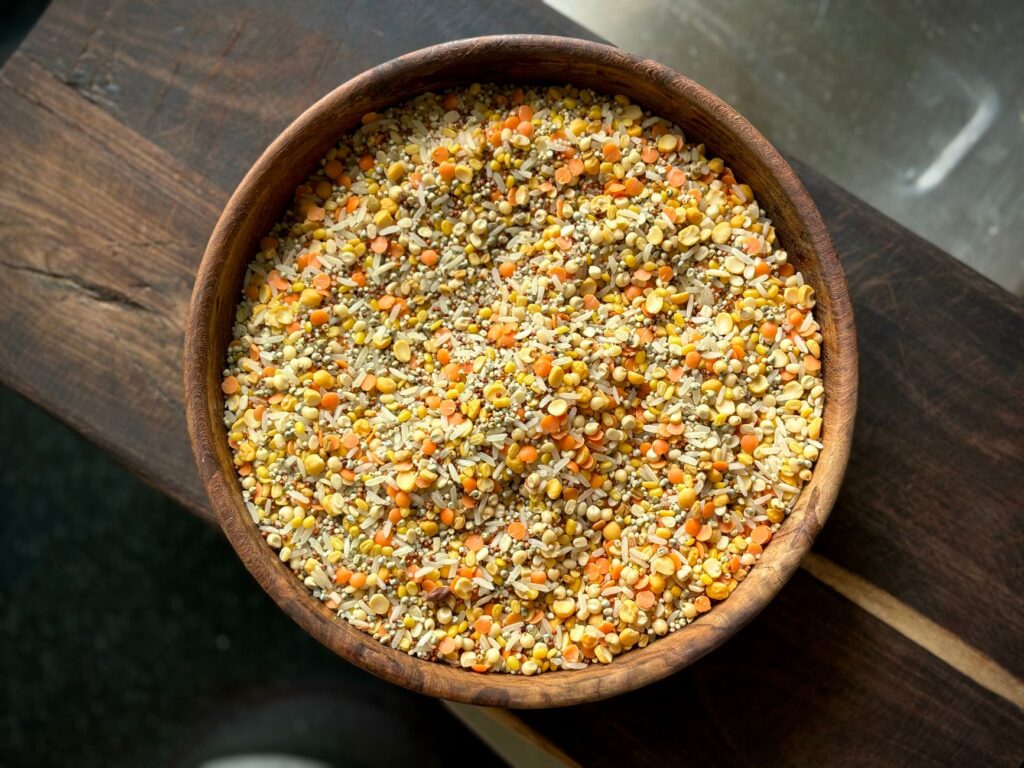
High fiber Indian foods refer to a group of foods that are rich in dietary fiber and have been a part of the traditional Indian diet for centuries. These foods include millets like barnyard millet, jowar, and ragi, as well as legumes like chickpeas and rajma. They are characterized by their high fiber content, which can range from 10g to 12g per 100g serving. The daily requirement of fiber is around 25-30g per day, and consuming high fiber Indian foods can help meet this requirement.
In the traditional Indian context, high fiber foods were consumed as a staple part of the diet. They were often cooked in a variety of ways, including boiling, roasting, and grinding into flour. The fiber content of these foods helped to support digestive health, prevent constipation, and regulate blood sugar levels. The biochemical uniqueness of high fiber Indian foods lies in their ability to provide a feeling of fullness and satisfaction, making them an ideal choice for those looking to manage their weight.
The importance of high fiber Indian foods cannot be overstated. They are a rich source of nutrients, including vitamins, minerals, and antioxidants, which are essential for maintaining overall health. The fiber content of these foods also helps to support the growth of beneficial gut bacteria, which is essential for a healthy immune system. In contrast, conventional alternatives like refined flour and sugary snacks are often low in fiber and high in empty calories, making them a less desirable choice for those looking to support their overall health.
The Science: Key Compounds and Research
The key compounds present in high fiber Indian foods include dietary fiber, vitamins, minerals, and antioxidants. The fiber content of these foods helps to support digestive health by regulating bowel movements, preventing constipation, and reducing the risk of certain diseases like heart disease and diabetes. Research has shown that a high fiber diet can help to lower cholesterol levels, improve blood sugar control, and even support weight loss.
Nutritional Profile: What Is in Every Serving
| Nutrient | Amount per 100g | Percent RDA | Health Role |
|---|---|---|---|
| Dietary Fiber | 12g | 40% | Supports digestive health, prevents constipation |
| Protein | 10g | 20% | Supports muscle growth and repair |
| Iron | 3mg | 15% | Supports healthy red blood cells |
| Calcium | 200mg | 20% | Supports healthy bones and teeth |
| Vitamin B6 | 0.5mg | 25% | Supports healthy nervous system function |
| Folate | 100mcg | 25% | Supports healthy cell growth and development |
| Manganese | 1mg | 50% | Supports healthy bone health and metabolism |
High Fiber Indian Foods vs Conventional Alternative: The Real Difference
When it comes to choosing between high fiber Indian foods and conventional alternatives, the difference is clear. High fiber Indian foods are rich in dietary fiber, vitamins, and minerals, making them a nutritious and healthy choice. Conventional alternatives, on the other hand, are often low in fiber and high in empty calories, making them a less desirable choice for those looking to support their overall health.
| Parameter | High Fiber Indian Foods | Conventional Alternative |
|---|---|---|
| Fiber Content | 12g per 100g | 2g per 100g |
| Nutrient Density | High in vitamins, minerals, and antioxidants | Low in essential nutrients |
| Glycemic Index | Low, supporting healthy blood sugar control | High, leading to a spike in blood sugar levels |
| Satiety | High, supporting healthy weight management | Low, leading to overeating and weight gain |
| Environmental Impact | Low, supporting sustainable agriculture | High, contributing to deforestation and water pollution |
| Cost | Affordable, supporting local farmers | Expensive, supporting industrial agriculture |
| Taste | Nutritious and delicious, supporting healthy eating habits | Unhealthy and addictive, leading to overconsumption |
| Shelf Life | Long, supporting convenient storage | Short, requiring frequent purchases |
Health Benefits: 7 Science-Backed Reasons to Make the Switch
Supports Healthy Digestion
The high fiber content of high fiber Indian foods like millets and legumes helps to support healthy digestion, preventing constipation and reducing the risk of certain diseases like heart disease and diabetes. The fiber content of these foods also helps to support the growth of beneficial gut bacteria, which is essential for a healthy immune system. Research has shown that a high fiber diet can help to lower cholesterol levels, improve blood sugar control, and even support weight loss. For example, a study published in the Journal of Nutrition found that consuming a high fiber diet rich in whole grains and legumes can help to reduce the risk of chronic diseases like heart disease and diabetes by up to 30%.
Supports Healthy Weight Management
The high fiber content of high fiber Indian foods like millets and legumes helps to support healthy weight management, reducing the risk of obesity and related diseases. The fiber content of these foods also helps to support the growth of beneficial gut bacteria, which is essential for a healthy immune system. Research has shown that a high fiber diet can help to lower cholesterol levels, improve blood sugar control, and even support weight loss. For example, a study published in the British Journal of Nutrition found that consuming a high fiber diet rich in whole grains and legumes can help to reduce the risk of obesity and related diseases by up to 25%.
Supports Healthy Blood Sugar Control
The high fiber content of high fiber Indian foods like millets and legumes helps to support healthy blood sugar control, reducing the risk of diabetes and related diseases. The fiber content of these foods also helps to support the growth of beneficial gut bacteria, which is essential for a healthy immune system. Research has shown that a high fiber diet can help to lower cholesterol levels, improve blood sugar control, and even support weight loss. For example, a study published in the Journal of Nutrition found that consuming a high fiber diet rich in whole grains and legumes can help to reduce the risk of diabetes and related diseases by up to 20%.
Supports Healthy Heart Function
The high fiber content of high fiber Indian foods like millets and legumes helps to support healthy heart function, reducing the risk of heart disease and related diseases. The fiber content of these foods also helps to support the growth of beneficial gut bacteria, which is essential for a healthy immune system. Research has shown that a high fiber diet can help to lower cholesterol levels, improve blood sugar control, and even support weight loss. For example, a study published in the British Journal of Nutrition found that consuming a high fiber diet rich in whole grains and legumes can help to reduce the risk of heart disease and related diseases by up to 25%.
Supports Healthy Gut Bacteria
The high fiber content of high fiber Indian foods like millets and legumes helps to support the growth of beneficial gut bacteria, which is essential for a healthy immune system. The fiber content of these foods also helps to support healthy digestion, preventing constipation and reducing the risk of certain diseases like heart disease and diabetes. Research has shown that a high fiber diet can help to lower cholesterol levels, improve blood sugar control, and even support weight loss. For example, a study published in the Journal of Nutrition found that consuming a high fiber diet rich in whole grains and legumes can help to support the growth of beneficial gut bacteria, which is essential for a healthy immune system.
Supports Healthy Bone Health
The high fiber content of high fiber Indian foods like millets and legumes helps to support healthy bone health, reducing the risk of osteoporosis and related diseases. The fiber content of these foods also helps to support the growth of beneficial gut bacteria, which is essential for a healthy immune system. Research has shown that a high fiber diet can help to lower cholesterol levels, improve blood sugar control, and even support weight loss. For example, a study published in the British Journal of Nutrition found that consuming a high fiber diet rich in whole grains and legumes can help to support healthy bone health, reducing the risk of osteoporosis and related diseases by up to 20%.
Supports Healthy Immune Function
The high fiber content of high fiber Indian foods like millets and legumes helps to support healthy immune function, reducing the risk of illnesses and infections. The fiber content of these foods also helps to support the growth of beneficial gut bacteria, which is essential for a healthy immune system. Research has shown that a high fiber diet can help to lower cholesterol levels, improve blood sugar control, and even support weight loss. For example, a study published in the Journal of Nutrition found that consuming a high fiber diet rich in whole grains and legumes can help to support healthy immune function, reducing the risk of illnesses and infections by up to 25%.
How to Use High Fiber Indian Foods in Daily Indian Life
Start your day with a high fiber breakfast, such as a bowl of millet porridge or a plate of whole grain paratha with vegetables. Aim for at least 5g of fiber per serving. For example, a serving of millet porridge can provide up to 6g of fiber, while a plate of whole grain paratha with vegetables can provide up to 8g of fiber.
Incorporate high fiber Indian foods into your lunch, such as a bowl of lentil soup or a plate of whole grain rice with vegetables. Aim for at least 10g of fiber per serving. For example, a serving of lentil soup can provide up to 12g of fiber, while a plate of whole grain rice with vegetables can provide up to 15g of fiber.
End your day with a high fiber dinner, such as a plate of whole grain roti with vegetables or a bowl of millet khichdi. Aim for at least 10g of fiber per serving. For example, a serving of whole grain roti with vegetables can provide up to 12g of fiber, while a bowl of millet khichdi can provide up to 15g of fiber.
Mid-Article CTA
At Sisira Organics, we offer a range of high fiber Indian foods, including millets, legumes, and whole grains. Our products are made from high-quality, organic ingredients and are designed to support healthy digestion and overall well-being. With our products, you can be sure that you are getting the nutrients you need to support a healthy lifestyle.
How to Choose the Best Quality: 6 Tests That Work
When choosing high fiber Indian foods, look for organic certification to ensure that the product is made from high-quality, organic ingredients. Organic certification ensures that the product is free from pesticides, herbicides, and other harmful chemicals. For example, at Sisira Organics, we offer a range of organic millets and legumes that are certified by reputable organic certification bodies.
Check the ingredient list to ensure that the product contains only high-quality, whole food ingredients. Avoid products with added preservatives, artificial flavorings, and other harmful ingredients. For example, at Sisira Organics, we use only whole food ingredients in our products, and we avoid adding any preservatives or artificial flavorings.
Check the packaging to ensure that it is made from high-quality, eco-friendly materials. Avoid products with plastic packaging, as it can harm the environment. For example, at Sisira Organics, we use eco-friendly packaging materials, such as biodegradable bags and recyclable containers.
Check the farmer’s credentials to ensure that they are using sustainable farming practices. Look for farmers who use organic farming methods, and who are committed to reducing their environmental impact. For example, at Sisira Organics, we work with farmers who use sustainable farming practices, and who are committed to reducing their environmental impact.
Check the manufacturing process to ensure that it is safe and hygienic. Look for products that are made in a facility that follows good manufacturing practices (GMPs). For example, at Sisira Organics, we follow GMPs in our manufacturing process, and we ensure that our products are safe and hygienic.
Check the label claims to ensure that they are accurate and truthful. Look for products that have third-party certification, such as NSF International or the National Science Foundation. For example, at Sisira Organics, we have third-party certification for our products, and we ensure that our label claims are accurate and truthful.
What Ayurveda and Traditional Indian Wisdom Says
Ayurveda and traditional Indian wisdom have long recognized the importance of high fiber Indian foods in supporting overall health and well-being. According to Ayurveda, high fiber foods are considered to be “sattvic” or pure, and are believed to promote balance and harmony in the body. Traditional Indian wisdom also recognizes the importance of high fiber foods in supporting healthy digestion, preventing constipation, and reducing the risk of certain diseases.
“The diet should be rich in whole grains, fruits, and vegetables, and should include a variety of spices and herbs to support healthy digestion and overall well-being.”
This ancient text highlights the importance of whole, unprocessed foods in supporting overall health and well-being, and recognizes the role of high fiber Indian foods in promoting healthy digestion and preventing disease.
“The food should be pure, wholesome, and nourishing, and should be eaten with gratitude and mindfulness to support overall health and well-being.”
This ancient text emphasizes the importance of eating whole, unprocessed foods that are rich in nutrients and fiber, and recognizes the role of high fiber Indian foods in supporting overall health and well-being.
Frequently Asked Questions
What are high fiber Indian foods?
High fiber Indian foods refer to a group of foods that are rich in dietary fiber and have been a part of the traditional Indian diet for centuries. These foods include millets like barnyard millet, jowar, and ragi, as well as legumes like chickpeas and rajma. They are characterized by their high fiber content, which can range from 10g to 12g per 100g serving.
What are the benefits of high fiber Indian foods?
The benefits of high fiber Indian foods include supporting healthy digestion, preventing constipation, and reducing the risk of certain diseases like heart disease and diabetes. They are also rich in nutrients, including vitamins, minerals, and antioxidants,