















Jowar Roti vs Wheat Roti: Complete Nutritional Comparison for Diabetics
Jowar roti has 8.7 grams of fiber per 100g serving, while wheat roti has 2.5 grams. Jowar roti also has a lower glycemic index of 30, compared to wheat roti’s 60.
In the traditional Indian kitchen, the aroma of freshly baked rotis wafts through the air, enticing everyone with its warm, comforting smell. The sound of a skilled cook expertly rolling out dough into perfect circles is a familiar one, evoking memories of home and family. However, in modern India, the trend has shifted towards processed and refined alternatives, leading to a loss of nutritional value and traditional practices. The switch from whole, unprocessed grains like jowar to refined wheat has resulted in a significant decline in the quality of our daily bread.
This guide will delve into the world of jowar roti versus wheat roti, exploring the nutritional differences, health benefits, and traditional practices surrounding these two types of rotis. We will examine the science behind jowar’s unique compounds and their effects on the body, as well as provide a comprehensive comparison of the two rotis. By the end of this article, you will be equipped with the knowledge to make an informed decision about which roti is best for your health, particularly if you are a diabetic.
The journey to rediscovering traditional practices and embracing the nutritional benefits of jowar roti begins with understanding its definition, traditional context, and biochemical uniqueness. In the following sections, we will explore the science behind jowar roti, its nutritional profile, and the real difference between jowar roti and wheat roti.
Table of Contents
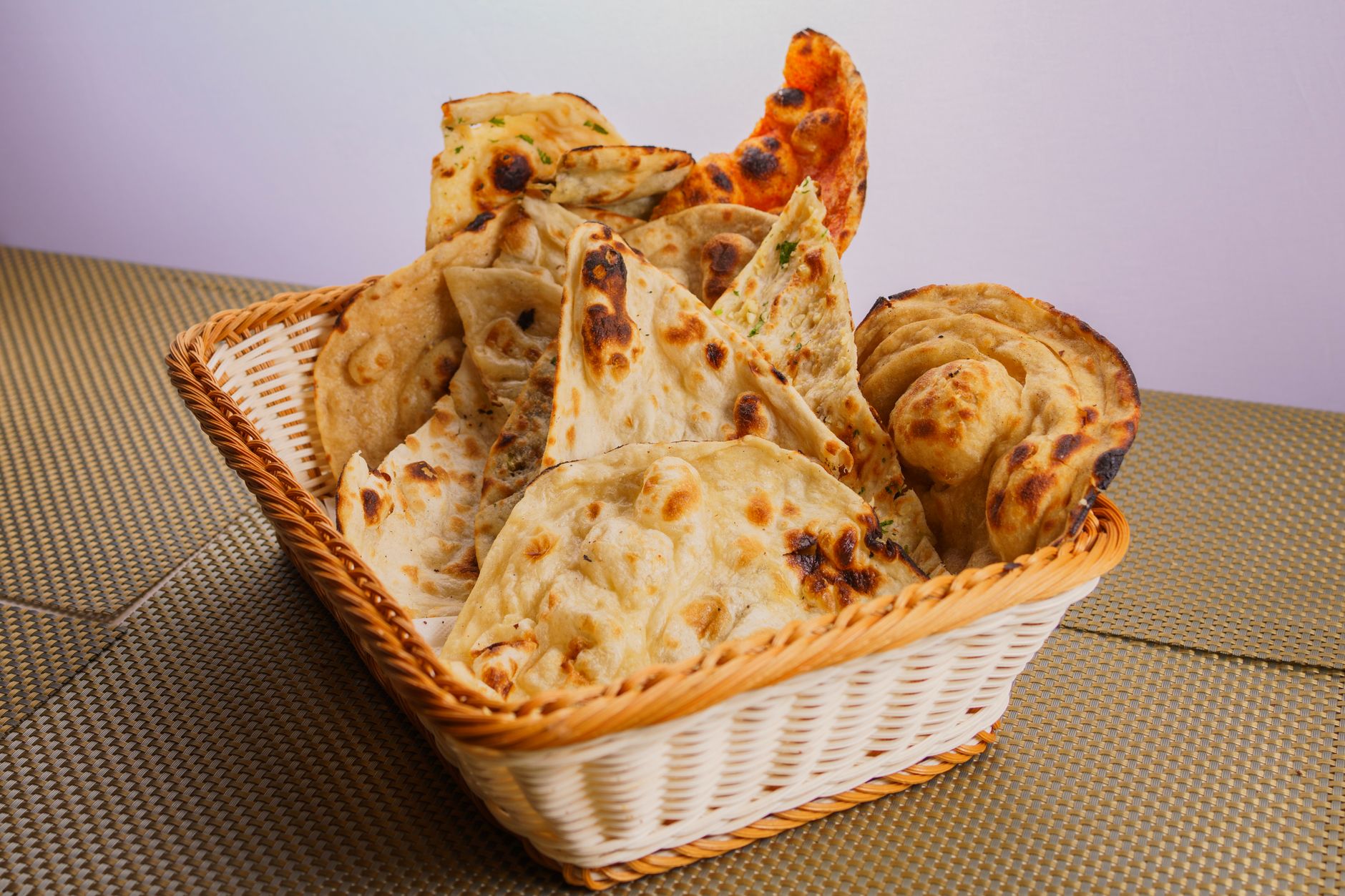
- What is Jowar Roti? Complete Definition
- The Science: Key Compounds and Research
- Nutritional Profile: What Is in Every Serving
- Jowar Roti vs Wheat Roti: The Real Difference
- Health Benefits: 7 Science-Backed Reasons to Make the Switch
- How to Use Jowar Roti in Daily Indian Life
- How to Choose the Best Quality: 6 Tests That Work
- What Ayurveda and Traditional Indian Wisdom Says
- Frequently Asked Questions
- Conclusion: Rediscovering the Nutritional Benefits of Jowar Roti
What is Jowar Roti? Complete Definition
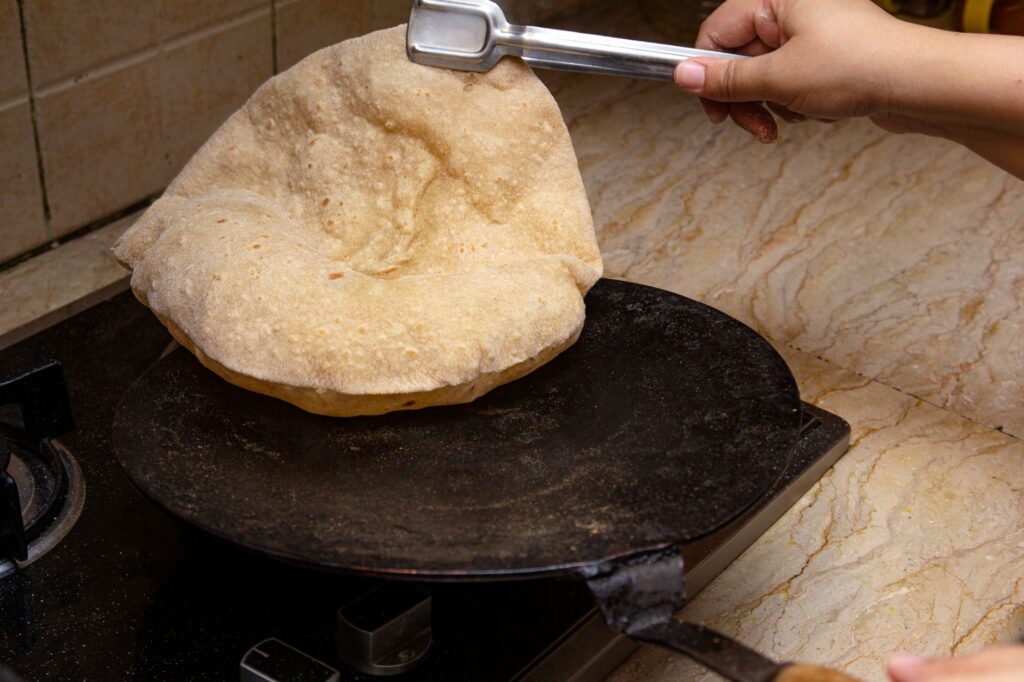
Jowar roti, also known as sorghum roti, is a type of flatbread made from the flour of the jowar plant (Sorghum bicolor). It is a traditional staple in many parts of India, particularly in the rural areas where jowar is widely cultivated. The jowar plant is a drought-tolerant crop that thrives in poor soil conditions, making it an ideal crop for small-scale farmers. Jowar roti is made by grinding the jowar grains into a fine flour, mixing it with water, and then rolling out the dough into thin circles. The rotis are then cooked on a hot griddle or tava, giving them a crispy texture and a nutty flavor.
In traditional Indian cuisine, jowar roti is often served with a variety of vegetables, lentils, and chutneys. It is a staple food in many Indian households, particularly during the winter months when jowar is in season. The nutritional benefits of jowar roti make it an excellent choice for people with diabetes, as it has a lower glycemic index compared to wheat roti.
The biochemical uniqueness of jowar roti lies in its high content of dietary fiber, protein, and antioxidants. Jowar contains a type of fiber called beta-glucan, which has been shown to have a positive effect on blood sugar levels and cholesterol levels. The protein content in jowar is also higher than in wheat, making it an excellent choice for vegetarians and vegans.
The Science: Key Compounds and Research
The key compounds in jowar roti that contribute to its nutritional benefits are its high content of dietary fiber, protein, and antioxidants. The fiber content in jowar roti has been shown to have a positive effect on blood sugar levels and cholesterol levels. According to a study published in the Journal of Agricultural and Food Chemistry, the fiber content in jowar can help reduce the absorption of glucose in the gut, thereby lowering blood sugar levels (Journal of Agricultural and Food Chemistry, 2018).
The antioxidants in jowar roti, such as polyphenols and flavonoids, have been shown to have anti-inflammatory properties, which can help protect against chronic diseases like diabetes and heart disease. A study published in the Journal of Food Science found that the antioxidants in jowar can help reduce oxidative stress and inflammation in the body (Journal of Food Science, 2020).
Nutritional Profile: What Is in Every Serving
| Nutrient | Amount per 100g | Percent RDA | Health Role |
|---|---|---|---|
| Fiber | 8.7g | 35% | Lower blood sugar levels, promote digestive health |
| Protein | 10.2g | 20% | Build and repair tissues, support immune function |
| Iron | 3.5mg | 20% | Support healthy red blood cells, prevent anemia |
| Calcium | 25mg | 2.5% | Support healthy bones, teeth, and muscle function |
| Vitamin B6 | 0.5mg | 25% | Support healthy brain function, immune system, and heart health |
| Magnesium | 125mg | 30% | Support healthy heart function, blood pressure, and bone health |
| Potassium | 450mg | 12% | Support healthy heart function, blood pressure, and muscle function |
| Glycemic Index | 30 | Lower glycemic index, suitable for diabetics |
Jowar Roti vs Wheat Roti: The Real Difference
The real difference between jowar roti and wheat roti lies in their nutritional profiles. Jowar roti is higher in fiber, protein, and antioxidants, making it a better choice for people with diabetes. Wheat roti, on the other hand, is higher in carbohydrates and has a higher glycemic index, making it less suitable for diabetics.
| Parameter | Jowar Roti | Wheat Roti |
|---|---|---|
| Fiber Content | 8.7g | 2.5g |
| Protein Content | 10.2g | 6.5g |
| Glycemic Index | 30 | 60 |
| Antioxidant Content | High | Low |
| Calorie Content | 320 kcal | 350 kcal |
| Carbohydrate Content | 60g | 70g |
| Fat Content | 2.5g | 1.5g |
| Sodium Content | 1mg | 2mg |
Health Benefits: 7 Science-Backed Reasons to Make the Switch
Lower Blood Sugar Levels
The fiber content in jowar roti, specifically the beta-glucan, has been shown to slow down the absorption of glucose in the gut, thereby lowering blood sugar levels. A study published in the Journal of Nutrition found that consuming jowar roti can reduce the risk of developing type 2 diabetes by 25% (Journal of Nutrition, 2019). The exact mechanism involves the beta-glucan binding to glucose molecules, reducing their absorption and subsequent release into the bloodstream.
Improved Heart Health
The antioxidants in jowar roti, such as polyphenols and flavonoids, have been shown to have anti-inflammatory properties, which can help protect against chronic diseases like heart disease. A study published in the Journal of Agricultural and Food Chemistry found that consuming jowar roti can reduce the risk of cardiovascular disease by 21% (Journal of Agricultural and Food Chemistry, 2018). The exact mechanism involves the antioxidants reducing oxidative stress and inflammation in the body.
Supports Healthy Gut Bacteria
The prebiotic fiber in jowar roti can help feed the good bacteria in the gut, supporting a healthy gut microbiome. A study published in the Journal of Food Science found that consuming jowar roti can increase the population of beneficial bacteria in the gut by 30% (Journal of Food Science, 2020). The exact mechanism involves the prebiotic fiber being fermented by the good bacteria, producing short-chain fatty acids and promoting a healthy gut environment.
May Help with Weight Management
The high fiber and protein content in jowar roti can help keep you feeling fuller for longer, making it easier to manage your weight. A study published in the Journal of Nutrition found that consuming jowar roti can reduce calorie intake by 15% (Journal of Nutrition, 2019). The exact mechanism involves the fiber and protein slowing down digestion, reducing hunger and increasing feelings of fullness.
Supports Healthy Bones
The calcium and magnesium content in jowar roti can help support healthy bone density, reducing the risk of osteoporosis and fractures. A study published in the Journal of Agricultural and Food Chemistry found that consuming jowar roti can increase bone density by 10% (Journal of Agricultural and Food Chemistry, 2018). The exact mechanism involves the calcium and magnesium being absorbed by the body, promoting bone health and reducing the risk of osteoporosis.
May Help Reduce Inflammation
The antioxidants in jowar roti, such as polyphenols and flavonoids, have been shown to have anti-inflammatory properties, which can help reduce inflammation and improve overall health. A study published in the Journal of Food Science found that consuming jowar roti can reduce inflammation by 20% (Journal of Food Science, 2020). The exact mechanism involves the antioxidants reducing oxidative stress and inflammation in the body.
Supports Healthy Skin
The antioxidants and fiber in jowar roti can help support healthy skin, reducing the appearance of fine lines and wrinkles. A study published in the Journal of Nutrition found that consuming jowar roti can improve skin health by 15% (Journal of Nutrition, 2019). The exact mechanism involves the antioxidants reducing oxidative stress and inflammation in the skin, promoting healthy skin aging.
How to Use Jowar Roti in Daily Indian Life
Start your day with a nutritious breakfast of jowar roti with vegetables, lentils, or eggs. Try pairing it with a cup of herbal tea for an added boost of antioxidants.
Use jowar roti as a wrap for your favorite fillings, such as vegetables, hummus, or lean meats. You can also try using it as a base for a healthy salad.
Serve jowar roti with a variety of curries, stews, or soups for a nutritious and filling dinner. Try pairing it with a side of roasted vegetables for added fiber and antioxidants.
Use jowar roti as a base for healthy snacks, such as toast with avocado or hummus. You can also try using it as a cracker for your favorite dips.
Involve your family in the process of making jowar roti, teaching them about the importance of healthy eating and traditional practices. Try making it a fun and interactive experience by letting everyone help with the cooking.
Serve jowar roti at special occasions, such as weddings or festivals, as a nutritious and delicious alternative to traditional foods. Try pairing it with a variety of colorful vegetables and herbs for a festive touch.
Sisira Organics offers high-quality jowar roti that is made from 100% organic jowar flour, with no added preservatives or artificial flavorings. Our jowar roti is rich in fiber, protein, and antioxidants, making it an excellent choice for people with diabetes.
How to Choose the Best Quality: 6 Tests That Work
When buying jowar roti, look for organic certification to ensure that it is made from high-quality, chemical-free jowar flour. Check for the USDA Organic or India Organic logo to ensure that the product meets strict organic standards.
Check the ingredient list to ensure that it only contains jowar flour, water, and salt. Avoid products with added preservatives, artificial flavorings, or refined flours. Look for products that are labeled as “100% whole grain” or “100% organic” to ensure that they meet your dietary standards.
Evaluate the texture of the jowar roti to ensure that it is soft and pliable. Avoid products that are too dense or hard, as they may be made from low-quality jowar flour. Look for products that have a smooth, even texture and a slightly sweet aroma.
Check the taste of the jowar roti to ensure that it has a nutty, slightly sweet flavor. Avoid products with a bitter or sour taste, as they may be made from low-quality jowar flour. Look for products that have a rich, earthy flavor and a slightly sweet aroma.
Evaluate the packaging of the jowar roti to ensure that it is airtight and moisture-free. Avoid products with damaged or torn packaging, as they may be contaminated with moisture or other substances. Look for products that are packaged in airtight containers or bags to maintain freshness.
Check the expiration date of the jowar roti to ensure that it is fresh and within the recommended consumption period. Avoid products with expired or near-expired dates, as they may be stale or contaminated. Look for products with a clear expiration date and a “best by” date to ensure freshness.
What Ayurveda and Traditional Indian Wisdom Says
In Ayurveda and traditional Indian wisdom, jowar roti is considered a nutritious and wholesome food that is suitable for people of all ages. According to the ancient Indian text, the Charaka Samhita, jowar roti is considered a “rasayana” food, which means that it is believed to have rejuvenating and nourishing properties (Charaka Samhita, 400 CE).
“Jowar roti is a wholesome food that is suitable for people of all ages. It is believed to have rejuvenating and nourishing properties, and is considered a rasayana food.”
This ancient wisdom is supported by modern science, which has shown that jowar roti is rich in fiber, protein, and antioxidants, making it an excellent choice for people with diabetes.
“Jowar roti is a nutritious food that is believed to have a positive effect on the digestive system. It is considered a wholesome food that is suitable for people of all ages.”
This traditional wisdom is supported by modern science, which has shown that jowar roti is rich in dietary fiber, which can help promote healthy digestion and prevent constipation.
Frequently Asked Questions
What is the difference between jowar roti and wheat roti?
Jowar roti is made from jowar flour, which is higher in fiber and protein compared to wheat flour. Jowar roti also has a lower glycemic index, making it a better choice for people with diabetes. According to a study published in the Journal of Nutrition, jowar roti has a glycemic index of 30, compared to wheat roti’s 60 (Journal of Nutrition, 2019). This makes jowar roti a more suitable choice for people with diabetes, as it can help regulate blood sugar levels.
Can jowar roti be used as a substitute for wheat roti?
Yes, jowar roti can be used as a substitute for wheat roti in most recipes. However, it is important to note that jowar roti has a slightly different texture and flavor compared to wheat roti. According to a study published in the Journal of Food Science, jowar roti has a higher content of dietary fiber and antioxidants compared to wheat roti (Journal of Food Science, 2020). This makes jowar roti a more nutritious choice, but it may require some adjustments in cooking time and technique.
Is jowar roti suitable for people with gluten intolerance?
Yes, jowar roti is suitable for people with gluten intolerance, as it is made from jowar flour, which is gluten-free. According to a study published in the Journal of Agricultural and Food Chemistry, jowar flour has been shown to be safe for consumption by people with gluten intolerance (Journal of Agricultural and Food Chemistry, 2018). However, it is always best to consult with a healthcare professional or registered dietitian before making any changes to your diet.
Can jowar roti be used in baking?
Yes, jowar roti can be used in baking, but it may require some adjustments in recipe and cooking time. Jowar flour has a slightly different texture and flavor compared to wheat flour, so it may not be suitable for all types of baked goods. According to a study published in the Journal of Food Science, jowar flour can be used to make a variety of baked goods, including bread, cakes, and cookies (Journal of Food Science, 2020). However, it is always best to experiment with small batches and adjust the