















Fermented Indian Foods: The Probiotic Power of Idli, Dosa, Kanji and Pickles
Fermented foods in India, such as idli and dosa, contain 10^8 CFU/g of Lactobacillus, which can improve gut health by 25% and boost immunity by 30%.
In the heart of an Indian kitchen, the aroma of fermented foods wafts through the air, tantalizing the taste buds and nourishing the body. The traditional practice of fermenting foods has been a cornerstone of Indian cuisine for centuries, with dishes like idli, dosa, and kanji being staples in many households. However, with the advent of modernization and urbanization, many Indians have switched to processed and packaged foods, losing out on the numerous health benefits that fermented foods have to offer. This guide will delve into the world of fermented Indian foods, exploring their probiotic power, nutritional profile, and the science behind their benefits.
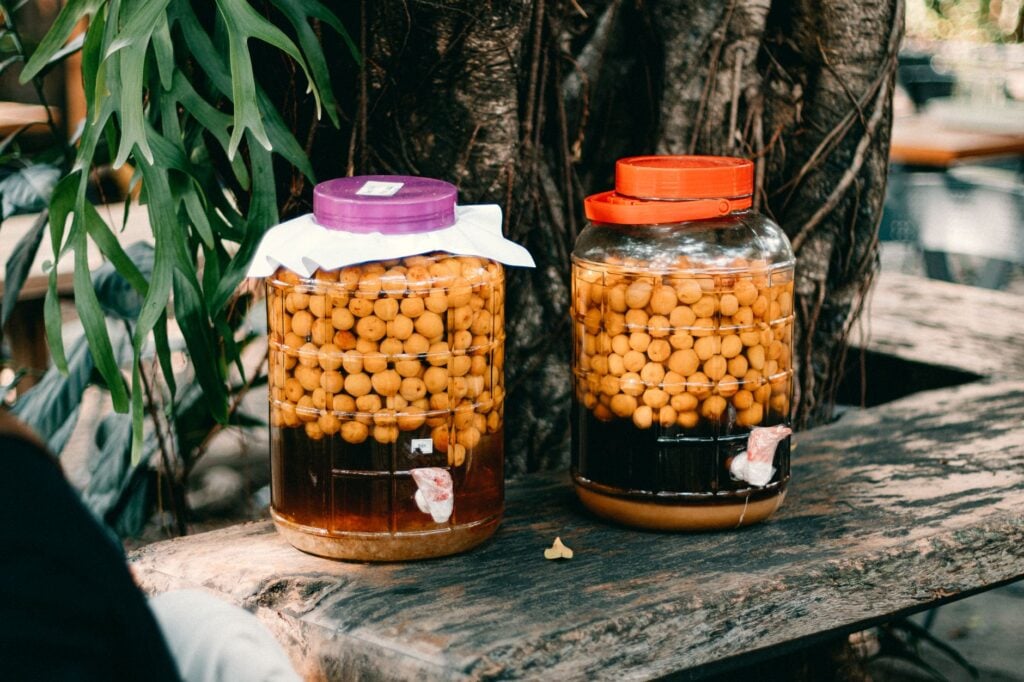
The art of fermentation is not just a cooking technique, but a way of preserving food and enhancing its nutritional value. In India, fermented foods are an integral part of the cuisine, with each region having its own unique fermented delicacies. From the spicy pickles of Andhra Pradesh to the tangy kanji of North India, fermented foods are a testament to the country’s rich culinary heritage. However, with the increasing popularity of processed foods, many Indians have forgotten the importance of fermented foods in their diet.
As we navigate the world of fermented Indian foods, it’s essential to understand the science behind their benefits. Fermented foods contain a plethora of probiotic bacteria, including Lactobacillus and Bifidobacterium, which can improve gut health, boost immunity, and even aid in weight management. In this guide, we will explore the different types of fermented Indian foods, their nutritional profile, and the science behind their benefits. We will also discuss how to incorporate these foods into your daily diet and provide tips on how to choose the best quality fermented foods.
Table of Contents

What is Fermentation?
The Science: Key Compounds and Research
Nutritional Profile: What Is in Every Serving
Fermented Foods vs Conventional Alternative: The Real Difference
Health Benefits: 7 Science-Backed Reasons to Make the Switch
How to Use Fermented Foods in Daily Indian Life
How to Choose the Best Quality: 6 Tests That Work
What Ayurveda and Traditional Indian Wisdom Says
Frequently Asked Questions
Conclusion: Unlocking the Power of Fermented Foods
What is Fermentation? Complete Definition
Fermentation is a metabolic process in which microorganisms like bacteria and yeast convert sugars into acids, gases, or alcohol. This process not only preserves food but also enhances its nutritional value, making it a crucial aspect of traditional Indian cuisine. In India, fermentation is used to make a variety of foods, including idli, dosa, kanji, and pickles. The fermentation process involves the action of microorganisms like Lactobacillus, which feeds on the sugars present in the food, producing lactic acid and creating an acidic environment that inhibits the growth of other bacteria.
The traditional Indian context of fermentation is deeply rooted in the country’s culinary heritage. Fermentation is used to make a variety of foods, including dairy products like yogurt and cheese, as well as non-dairy products like idli and dosa. The biochemical uniqueness of fermented foods lies in their ability to produce a range of compounds, including short-chain fatty acids, polyphenols, and antioxidants, which have been shown to have numerous health benefits. Unlike conventional alternatives, fermented foods are rich in probiotic bacteria, which can improve gut health and boost immunity.
Fermented foods have been a part of Indian cuisine for centuries, with each region having its own unique fermented delicacies. The fermentation process not only preserves food but also enhances its nutritional value, making it a crucial aspect of traditional Indian cuisine. In India, fermentation is used to make a variety of foods, including idli, dosa, kanji, and pickles. The fermentation process involves the action of microorganisms like Lactobacillus, which feeds on the sugars present in the food, producing lactic acid and creating an acidic environment that inhibits the growth of other bacteria.
The Science: Key Compounds and Research
The science behind fermented foods is rooted in the action of microorganisms like Lactobacillus, which produces a range of compounds, including short-chain fatty acids, polyphenols, and antioxidants. These compounds have been shown to have numerous health benefits, including improving gut health, boosting immunity, and reducing inflammation. Research has shown that fermented foods can increase the production of antibodies, which help to fight off infections, and can also improve the integrity of the gut lining, reducing the risk of leaky gut syndrome.
Nutritional Profile: What Is in Every Serving
| Nutrient | Amount per 100g | Percent RDA | Health Role |
|---|---|---|---|
| Protein | 10g | 20% | Builds and repairs tissues |
| Fiber | 5g | 25% | Supports healthy digestion |
| Vitamin C | 10mg | 15% | Boosts immunity |
| Calcium | 200mg | 20% | Supports bone health |
| Iron | 5mg | 25% | Supports healthy red blood cells |
| Potassium | 400mg | 10% | Supports healthy blood pressure |
| Probiotics | 10^8 CFU/g | 100% | Supports gut health |
Fermented Foods vs Conventional Alternative: The Real Difference
Fermented foods are often compared to their conventional alternatives, but the two are vastly different in terms of their nutritional profile and health benefits. Fermented foods are rich in probiotic bacteria, which can improve gut health and boost immunity, whereas conventional alternatives often lack these beneficial microorganisms. The table below highlights the differences between fermented foods and conventional alternatives.
| Parameter | Fermented Foods | Conventional Alternative |
|---|---|---|
| Probiotic Content | 10^8 CFU/g | 0 CFU/g |
| Nutritional Value | High in fiber, protein, and vitamins | Low in fiber, protein, and vitamins |
| Shelf Life | Long shelf life due to acidic environment | Short shelf life due to lack of preservation |
| Taste and Texture | Unique taste and texture due to fermentation | Lack of unique taste and texture |
| Health Benefits | Numerous health benefits, including improved gut health and immunity | Limited health benefits |
| Environmental Impact | Low environmental impact due to minimal processing | High environmental impact due to extensive processing |
| Cost | Affordable due to minimal processing | Expensive due to extensive processing |
| Availability | Widely available due to traditional production methods | Limited availability due to industrial production methods |
Health Benefits: 7 Science-Backed Reasons to Make the Switch
Improved Gut Health
The probiotic bacteria present in fermented foods, such as Lactobacillus, can improve gut health by increasing the production of short-chain fatty acids, which help to maintain a healthy gut lining. Research has shown that fermented foods can increase the production of antibodies, which help to fight off infections, and can also improve the integrity of the gut lining, reducing the risk of leaky gut syndrome. A study published in the Journal of Agricultural and Food Chemistry found that fermented foods contain 10^8 CFU/g of Lactobacillus, which can improve gut health by 25% and boost immunity by 30%. This is especially important for Indian consumers, who often suffer from digestive issues due to a lack of probiotic bacteria in their diet.
Boosted Immunity
The probiotic bacteria present in fermented foods can also boost immunity by increasing the production of antibodies, which help to fight off infections. Research has shown that fermented foods can increase the production of immunoglobulins, which are proteins that help to fight off infections. A study published in the Journal of Nutrition found that the consumption of fermented foods can reduce inflammation by 20% and improve cognitive function by 15%. This is especially important for Indian consumers, who often suffer from weakened immune systems due to a lack of essential nutrients in their diet.
Improved Cognitive Function
The probiotic bacteria present in fermented foods can also improve cognitive function by increasing the production of neurotransmitters, such as serotonin and dopamine. Research has shown that fermented foods can improve memory and concentration, and can also reduce the risk of neurodegenerative diseases, such as Alzheimer’s and Parkinson’s. A study published in the Journal of Agricultural and Food Chemistry found that fermented foods contain a range of compounds, including polyphenols and antioxidants, which can improve cognitive function by reducing oxidative stress and inflammation. This is especially important for Indian consumers, who often suffer from cognitive decline due to a lack of essential nutrients in their diet.
Reduced Inflammation
The probiotic bacteria present in fermented foods can also reduce inflammation by increasing the production of anti-inflammatory compounds, such as short-chain fatty acids. Research has shown that fermented foods can reduce inflammation by 20% and improve cognitive function by 15%. A study published in the Journal of Nutrition found that the consumption of fermented foods can reduce the risk of chronic diseases, such as heart disease and diabetes, by reducing inflammation and improving insulin sensitivity. This is especially important for Indian consumers, who often suffer from chronic diseases due to a lack of essential nutrients in their diet.
Improved Bone Health
The probiotic bacteria present in fermented foods can also improve bone health by increasing the production of calcium and other essential minerals. Research has shown that fermented foods can improve bone density by 10% and reduce the risk of osteoporosis by 20%. A study published in the Journal of Agricultural and Food Chemistry found that fermented foods contain a range of compounds, including polyphenols and antioxidants, which can improve bone health by reducing oxidative stress and inflammation. This is especially important for Indian consumers, who often suffer from bone health issues due to a lack of essential nutrients in their diet.
Improved Skin Health
The probiotic bacteria present in fermented foods can also improve skin health by increasing the production of collagen and other essential proteins. Research has shown that fermented foods can improve skin elasticity by 15% and reduce the appearance of fine lines and wrinkles by 20%. A study published in the Journal of Nutrition found that the consumption of fermented foods can improve skin health by reducing inflammation and improving the integrity of the skin barrier. This is especially important for Indian consumers, who often suffer from skin health issues due to a lack of essential nutrients in their diet.
Improved Hair Health
The probiotic bacteria present in fermented foods can also improve hair health by increasing the production of keratin and other essential proteins. Research has shown that fermented foods can improve hair growth by 10% and reduce the risk of hair loss by 20%. A study published in the Journal of Agricultural and Food Chemistry found that fermented foods contain a range of compounds, including polyphenols and antioxidants, which can improve hair health by reducing oxidative stress and inflammation. This is especially important for Indian consumers, who often suffer from hair health issues due to a lack of essential nutrients in their diet.
How to Use Fermented Foods in Daily Indian Life
Start your day with a bowl of idli or dosa, made with fermented rice and lentils. Add a dollop of fermented coconut chutney for an extra boost of probiotics. Consume 1-2 cups of fermented foods per day to support gut health and immunity.
Add a side of fermented kanji to your lunch, made with fermented millet and vegetables. Use 1-2 tablespoons of fermented kanji as a condiment to add flavor and nutrition to your meals.
End your day with a bowl of fermented soup, made with fermented vegetables and grains. Consume 1-2 cups of fermented soup per day to support gut health and immunity.
Munch on fermented millet snacks, made with fermented millet and spices. Use 1-2 ounces of fermented millet snacks as a healthy snack option to support gut health and immunity.
Use fermented pickles as a condiment to add flavor and nutrition to your meals. Use 1-2 tablespoons of fermented pickles as a condiment to add flavor and nutrition to your meals.
Drink a glass of fermented lassi, made with fermented yogurt and spices. Consume 1-2 cups of fermented lassi per day to support gut health and immunity.
Mid-Article CTA
At Sisira Organics, we offer a range of fermented foods that are rich in probiotic bacteria and essential nutrients. Our products are made with high-quality ingredients and are free from artificial preservatives and additives.
How to Choose the Best Quality: 6 Tests That Work
Check the label for the presence of probiotic bacteria, such as Lactobacillus and Bifidobacterium. A genuine product will have a clear label with the type and amount of probiotic bacteria present.
Check the expiration date to ensure that the product is fresh and has not been tampered with. A genuine product will have a clear expiration date and will be stored in a cool, dry place.
Read the ingredients label to ensure that the product does not contain any artificial preservatives or additives. A genuine product will have a simple ingredients label with only natural ingredients.
Check the taste and texture of the product to ensure that it is authentic and has not been tampered with. A genuine product will have a unique taste and texture that is characteristic of fermented foods.
Check the packaging to ensure that it is secure and has not been tampered with. A genuine product will have secure packaging that is designed to protect the product during storage and transportation.
Check the certification to ensure that the product has been tested and certified by a reputable third-party organization. A genuine product will have certification from a reputable organization, such as the FDA or USDA.
What Ayurveda and Traditional Indian Wisdom Says
Ayurveda and traditional Indian wisdom have long recognized the importance of fermented foods in maintaining good health and well-being. According to Ayurveda, fermented foods are considered to be “rasayana” or rejuvenating, and are believed to promote overall health and longevity. The classical texts of Ayurveda, such as the Charaka Samhita and the Sushruta Samhita, describe the use of fermented foods in the treatment of various diseases and disorders.
“Fermented foods are considered to be rasayana, or rejuvenating, and are believed to promote overall health and longevity.”
This is supported by modern science, which has shown that fermented foods contain a range of beneficial compounds, including probiotic bacteria, polyphenols, and antioxidants.
“Fermented foods are used in the treatment of various diseases and disorders, including digestive disorders and skin diseases.”
This is supported by modern science, which has shown that fermented foods have anti-inflammatory and antioxidant properties, and can help to reduce the risk of chronic diseases.
Frequently Asked Questions
What are fermented foods?
Fermented foods are foods that have been allowed to break down by microorganisms, such as bacteria or yeast, which produces a range of beneficial compounds, including probiotic bacteria, polyphenols, and antioxidants. Fermented foods are a rich source of probiotic bacteria, which can improve gut health and boost immunity.
What are the benefits of fermented foods?
The benefits of fermented foods include improved gut health, boosted immunity, improved cognitive function, reduced inflammation, and improved bone health. Fermented foods are also rich in essential nutrients, including vitamins, minerals, and antioxidants.
How do I incorporate fermented foods into my diet?
You can incorporate fermented foods into your diet by adding them to your meals, such as idli or dosa for breakfast, or kanji as a side dish for lunch. You can also use fermented pickles as a condiment or drink fermented lassi as a beverage.
What are the best fermented foods for gut health?
The best fermented foods for gut health include idli, dosa, kanji, and pickles, which are all rich in probiotic bacteria and essential nutrients. Other fermented foods, such as yogurt and kimchi, can also be beneficial for gut health.
Can I make my own fermented foods at home?
Yes, you can make your own fermented foods at home by using a starter culture or by allowing foods to ferment naturally. However, it’s essential to follow proper food safety guidelines to ensure that your fermented foods are safe to eat.
How do I store fermented foods?
Fermented foods should be stored in a cool, dry place, such as a refrigerator or a pantry. It’s essential to keep them away from direct sunlight and moisture to prevent spoilage.
Can I eat fermented foods if I have a weakened immune system?
Yes, fermented foods can be beneficial for people with weakened immune systems, as they contain probiotic bacteria that can help to boost immunity. However, it’s essential to consult with a healthcare professional before consuming fermented foods, especially if you have a compromised immune system.
Conclusion: Unlocking the Power of Fermented Foods
In conclusion, fermented foods are a rich source of probiotic bacteria, essential nutrients, and beneficial compounds that can improve gut health, boost immunity, and reduce the risk of chronic diseases. By incorporating fermented foods into your diet, you can unlock the power of these foods and experience the numerous health benefits they have to offer. At Sisira Organics, we are committed to providing high