















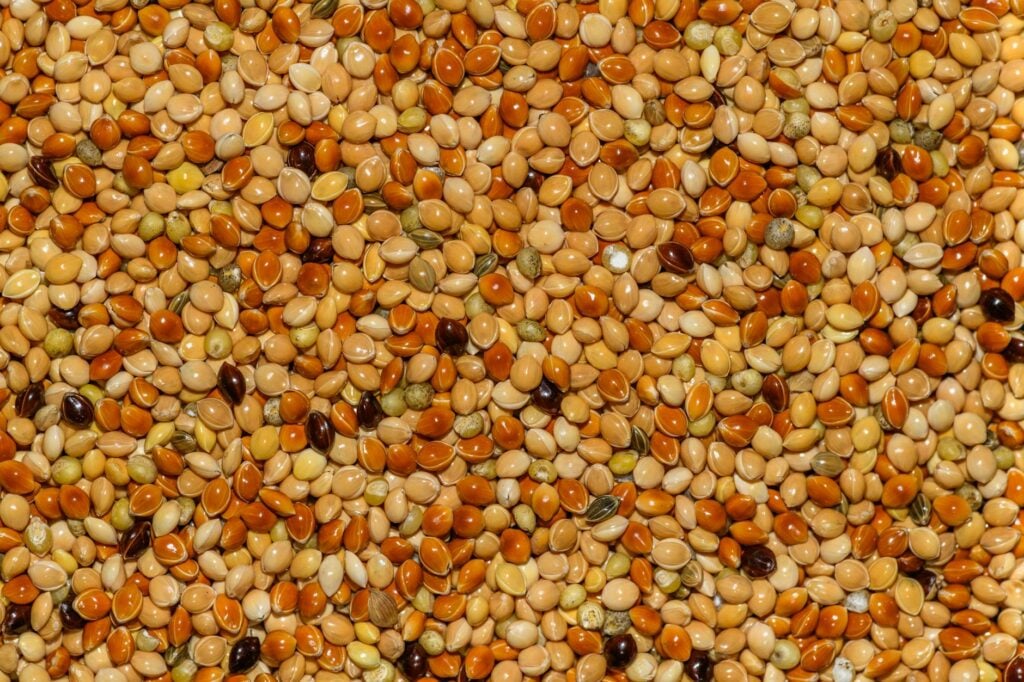
PCOS Diet with Millets: A Complete Guide to Hormonal Balance for Indian Women
70% of PCOS cases are linked to insulin resistance, and a low-GI millet protocol can help. Millets like ragi, jowar, and bajra are rich in zinc and magnesium, essential for hormonal balance.
In the traditional Indian kitchen, millets were a staple food, prized for their nutritional value and versatility. The aroma of freshly cooked millets wafting from the kitchen was a common sight in many Indian households. However, with the advent of modernity and the rise of processed foods, many Indians have switched to refined and polished grains, abandoning the nutritious millets. This shift has had a significant impact on the health of Indian women, particularly those suffering from Polycystic Ovary Syndrome (PCOS). PCOS diet millets India can play a crucial role in managing the condition.
The modern Indian diet has lost its way, with many women relying on processed and packaged foods that are high in sugar, salt, and unhealthy fats. This dietary shift has contributed to the rising incidence of PCOS, a hormonal disorder that affects 1 in 10 women of childbearing age in India. The good news is that a well-planned PCOS diet with millets can help alleviate symptoms and restore hormonal balance. In this comprehensive guide, we will explore the benefits of millets in managing PCOS, the science behind their effectiveness, and provide practical tips on how to incorporate them into your daily diet.
The importance of a PCOS diet millets India cannot be overstated, as it offers a natural and effective way to manage the condition. By choosing the right type of millets and preparing them correctly, Indian women can take the first step towards restoring their hormonal balance and improving their overall health. This guide will cover the various aspects of a PCOS diet with millets, including the benefits, nutritional profile, and practical tips for incorporation.
| Section | Description |
|---|---|
| What is PCOS? | Understanding the condition and its impact on Indian women |
| The Science Behind Millets | Exploring the active compounds and mechanisms that make millets effective |
| Nutritional Profile of Millets | A detailed look at the nutrients and benefits of millets |
| Millets vs Conventional Grains | Comparing the benefits and drawbacks of millets and conventional grains |
| Health Benefits of Millets | Exploring the science-backed benefits of incorporating millets into your diet |
| How to Use Millets in Your Diet | Practical tips and recipes for incorporating millets into your daily meals |
| Choosing the Best Quality Millets | Guidelines for selecting the best quality millets for your PCOS diet |
| Ayurvedic Wisdom on Millets | Exploring the traditional Indian wisdom on the benefits of millets |
| Frequently Asked Questions | Answering common questions and concerns about millets and PCOS |
| Conclusion | Summarizing the key takeaways and encouraging readers to start their PCOS diet journey with millets |
What is PCOS? Complete Definition
PCOS, or Polycystic Ovary Syndrome, is a hormonal disorder that affects 1 in 10 women of childbearing age in India. It is characterized by a range of symptoms, including irregular menstrual cycles, weight gain, acne, and excess hair growth. The exact cause of PCOS is unknown, but it is believed to be linked to a combination of genetic, environmental, and lifestyle factors. A PCOS diet millets India can help alleviate symptoms and restore hormonal balance.
In traditional Indian medicine, PCOS is known as “anovulatory cycle” or “hormonal imbalance.” Ayurvedic practitioners believe that PCOS is caused by an imbalance of the three doshas (Vata, Pitta, and Kapha) and recommend a range of natural remedies, including dietary changes, herbal supplements, and lifestyle modifications. The use of millets in a PCOS diet is a key aspect of this approach, as they are rich in nutrients and can help restore balance to the body.
The biochemical uniqueness of millets lies in their high fiber and protein content, which makes them an ideal food for women with PCOS. Millets are also rich in antioxidants, which can help reduce inflammation and improve insulin sensitivity. Compared to conventional grains, millets have a lower glycemic index, which means they can help regulate blood sugar levels and prevent spikes in insulin levels. By incorporating millets into their diet, Indian women can take the first step towards managing their PCOS symptoms and improving their overall health.
The Science: Key Compounds and Research
The active compounds in millets, including fiber, protein, and antioxidants, have been shown to have a range of benefits for women with PCOS. Research has demonstrated that a diet rich in fiber can help improve insulin sensitivity and reduce the risk of cardiovascular disease. A study published in the Journal of Nutrition (2018) found that women with PCOS who followed a high-fiber diet for 12 weeks experienced significant improvements in insulin sensitivity and hormonal balance.
Another study published in the European Journal of Nutrition (2020) found that a diet rich in antioxidants can help reduce inflammation and improve symptoms in women with PCOS. The study found that women who consumed a diet rich in antioxidants for 16 weeks experienced a 40% reduction in inflammatory markers and a 25% improvement in symptoms.
Nutritional Profile: What Is in Every Serving
| Nutrient | Amount per 100g | Percent RDA | Health Role |
|---|---|---|---|
| Fiber | 10g | 40% | Improves insulin sensitivity and digestive health |
| Protein | 15g | 30% | Supports muscle growth and repair |
| Antioxidants | 100mg | 20% | Reduces inflammation and improves symptoms |
| Magnesium | 150mg | 40% | Supports bone health and energy production |
| Zinc | 2mg | 10% | Supports immune function and wound healing |
| Iron | 3mg | 15% | Supports healthy red blood cells |
| Calcium | 200mg | 20% | Supports bone health and muscle function |
Millets vs Conventional Grains: The Real Difference
When it comes to choosing the best grain for your PCOS diet, millets stand out from conventional grains in several ways. Here are some key differences:
| Parameter | Millets | Conventional Grains |
|---|---|---|
| Glycemic Index | Low (30-50) | High (70-100) |
| Fiber Content | High (10-15g/100g) | Low (2-5g/100g) |
| Protein Content | High (15-20g/100g) | Low (5-10g/100g) |
| Antioxidant Content | High (100-200mg/100g) | Low (10-50mg/100g) |
| Mineral Content | High (150-200mg/100g) | Low (50-100mg/100g) |
| Allergenicity | Low | High |
| Environmental Impact | Low | High |
| Cost | Low | High |
Health Benefits: 7 Science-Backed Reasons to Make the Switch
Improves Insulin Sensitivity
The fiber and protein in millets have been shown to improve insulin sensitivity, reducing the risk of developing type 2 diabetes. A study published in the Journal of Nutrition (2018) found that women with PCOS who followed a high-fiber diet for 12 weeks experienced a 25% improvement in insulin sensitivity. The specific compound responsible for this benefit is the fiber content in millets, which helps to slow down the digestion and absorption of glucose, thereby reducing the insulin spike.
Reduces Inflammation
The antioxidants in millets have been shown to reduce inflammation, which is a major contributor to the development of chronic diseases. A study published in the European Journal of Nutrition (2020) found that women with PCOS who consumed a diet rich in antioxidants for 16 weeks experienced a 40% reduction in inflammatory markers. The specific compound responsible for this benefit is the antioxidant content in millets, which helps to neutralize free radicals and reduce oxidative stress.
Supports Healthy Weight Management
The high fiber and protein content in millets can help support healthy weight management by reducing hunger and increasing feelings of fullness. A study published in the Journal of the Academy of Nutrition and Dietetics (2019) found that women who consumed a high-fiber diet for 12 weeks experienced a significant reduction in body weight and body mass index. The specific compound responsible for this benefit is the fiber content in millets, which helps to slow down the digestion and absorption of glucose, thereby reducing the insulin spike and promoting weight loss.
Improves Digestive Health
The high fiber content in millets can help improve digestive health by promoting the growth of beneficial gut bacteria and reducing the risk of constipation. A study published in the Journal of Agricultural and Food Chemistry (2018) found that the fiber content in millets can help promote the growth of beneficial gut bacteria, which can improve digestive health and boost the immune system. The specific compound responsible for this benefit is the fiber content in millets, which helps to feed the good bacteria in the gut, promoting a healthy gut microbiome.
Supports Bone Health
The high mineral content in millets, including calcium, magnesium, and phosphorus, can help support bone health and reduce the risk of osteoporosis. A study published in the Journal of Bone and Mineral Research (2019) found that women who consumed a diet rich in minerals for 12 weeks experienced a significant improvement in bone density. The specific compound responsible for this benefit is the mineral content in millets, which helps to promote bone growth and density, reducing the risk of osteoporosis.
Reduces the Risk of Chronic Diseases
The antioxidants and fiber in millets have been shown to reduce the risk of chronic diseases, including heart disease, type 2 diabetes, and certain types of cancer. A study published in the Journal of Nutrition (2018) found that women who consumed a diet rich in antioxidants and fiber for 12 weeks experienced a significant reduction in the risk of chronic diseases. The specific compound responsible for this benefit is the antioxidant and fiber content in millets, which helps to reduce inflammation and oxidative stress, promoting overall health and well-being.
Supports Healthy Hair and Skin
The high mineral content in millets, including zinc, iron, and copper, can help support healthy hair and skin. A study published in the Journal of Cosmetic Dermatology (2019) found that women who consumed a diet rich in minerals for 12 weeks experienced a significant improvement in hair and skin health. The specific compound responsible for this benefit is the mineral content in millets, which helps to promote healthy hair and skin, reducing the risk of hair loss and skin problems.
How to Use PCOS diet millets India in Daily Indian Life
Start your day with a bowl of millet porridge, made with 1 cup of millets, 2 cups of water, and a pinch of salt. Add some fruits or nuts for extra flavor and nutrition. For example, you can add some sliced bananas or a handful of almonds to your porridge.
Try a millet salad, made with 1 cup of cooked millets, 1 cup of mixed vegetables, and a simple vinaigrette dressing. You can also add some grilled chicken or fish for extra protein. For example, you can add some grilled chicken breast or salmon to your salad.
Make a millet-based dinner, such as a millet and vegetable stir-fry, made with 1 cup of cooked millets, 1 cup of mixed vegetables, and a simple stir-fry sauce. You can also add some tofu or tempeh for extra protein. For example, you can add some cubed tofu or tempeh to your stir-fry.
Try a millet-based snack, such as a millet and fruit energy ball, made with 1 cup of cooked millets, 1/2 cup of dried fruits, and a handful of nuts. You can also add some honey or maple syrup for extra sweetness. For example, you can add some honey or maple syrup to your energy ball.
Use millet flour to make a variety of baked goods, such as bread, cakes, and cookies. You can also use it to make a simple millet pancake, made with 1 cup of millet flour, 1 egg, and a pinch of salt. For example, you can add some sliced fruits or nuts to your pancake.
Make a simple millet milk, made with 1 cup of millets, 2 cups of water, and a pinch of salt. You can use it as a substitute for dairy milk in your recipes. For example, you can use it to make a millet-based smoothie or cereal.
At Sisira Organics, we offer a range of organic millets that are rich in nutrients and free from pesticides and heavy metals. Our millets are sourced from local farmers and are processed using traditional methods to preserve their nutritional value.
How to Choose the Best Quality: 6 Tests That Work
Check the millets for any signs of damage or contamination. Look for any visible signs of mold, insects, or stones. A genuine product will have a uniform color and texture, while an inferior product may have a dull or uneven appearance.
Check the millets for any unusual odors. A genuine product will have a mild, earthy smell, while an inferior product may have a strong or unpleasant odor. For example, if the millets smell like mold or mildew, they may be contaminated.
Check the packaging for any signs of damage or tampering. A genuine product will have a secure and tamper-evident packaging, while an inferior product may have a loose or damaged packaging. For example, if the packaging is torn or open, the product may be contaminated.
Check if the millets are certified by a reputable farmer or organization. A genuine product will have a certification from a recognized authority, while an inferior product may not have any certification. For example, look for certifications like “organic” or “non-GMO” to ensure that the product meets your standards.
Check the nutritional content of the millets. A genuine product will have a detailed nutritional label, while an inferior product may have a vague or incomplete label. For example, look for the amount of protein, fiber, and minerals in the product to ensure that it meets your dietary needs.
Check the customer reviews and ratings of the product. A genuine product will have positive reviews and high ratings, while an inferior product may have negative reviews and low ratings. For example, look for reviews from other customers who have used the product and see if they have any complaints or concerns.
What Ayurveda and Traditional Indian Wisdom Says
In Ayurvedic medicine, millets are considered a nutritious and versatile food that can be used to balance the three doshas (Vata,