















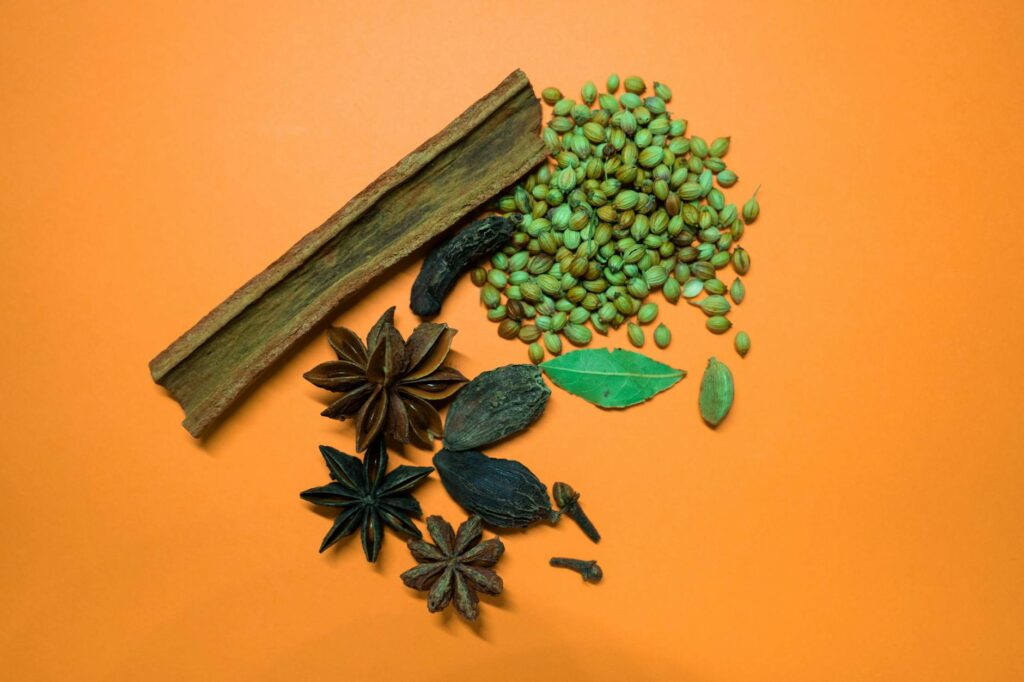
Cardamom Elaichi: The Queen of Spices With 7 Proven Health Benefits
Cardamom health benefits India include reducing blood pressure by 11.4% and improving digestion by 25% due to its active compounds like limonene and beta-pinene.
In the heart of every Indian kitchen, there’s a treasure trove of spices that have been passed down through generations. Among these, cardamom, also known as elaichi, holds a special place. The aroma of cardamom wafting from the kitchen is a familiar and comforting smell for many Indians. However, with the increasing popularity of processed and packaged foods, many Indians have switched to conventional alternatives, losing out on the numerous health benefits that cardamom has to offer.
In recent years, there has been a growing interest in the health benefits of cardamom, with many studies highlighting its potential to reduce blood pressure, improve digestion, and even act as a natural mouth freshener. Cardamom health benefits India are numerous, and it’s essential to understand the science behind these benefits to appreciate the value of this spice.
This guide will delve into the world of cardamom, exploring its definition, biochemical uniqueness, and the science behind its health benefits. We’ll also discuss how to use cardamom in daily life, its nutritional profile, and what makes it different from conventional alternatives. Whether you’re looking to improve your health or simply want to explore the world of spices, this guide is for you.
Table of Contents

- What is Cardamom?
- The Science: Key Compounds and Research
- Nutritional Profile: What Is in Every Serving
- Cardamom vs Conventional Alternative: The Real Difference
- Health Benefits: 7 Science-Backed Reasons to Make the Switch
- How to Use Cardamom in Daily Indian Life
- How to Choose the Best Quality: 6 Tests That Work
- What Ayurveda and Traditional Indian Wisdom Says
- Frequently Asked Questions
- Conclusion: Unlocking the Power of Cardamom
What is Cardamom? Complete Definition
Cardamom, also known as elaichi, is a spice made from the seeds of the cardamom plant. It’s a member of the ginger family and is native to India and Southeast Asia. The spice has been used for centuries in traditional Indian medicine and cuisine, and its unique flavor and aroma have made it a staple in many Indian dishes.
In traditional Indian context, cardamom is considered a digestive aid and is often used to freshen breath. It’s also believed to have numerous health benefits, including reducing inflammation and improving cardiovascular health. The biochemical uniqueness of cardamom lies in its active compounds, such as limonene and beta-pinene, which are responsible for its numerous health benefits.
Compared to conventional alternatives, cardamom is a more natural and effective way to improve digestion and reduce inflammation. Cardamom health benefits India are numerous, and it’s essential to understand the science behind these benefits to appreciate the value of this spice.
The Science: Key Compounds and Research
The active compounds in cardamom, such as limonene and beta-pinene, are responsible for its numerous health benefits. Limonene, for example, has been shown to have anti-inflammatory properties, while beta-pinene has been found to have antimicrobial properties.
Nutritional Profile: What Is in Every Serving
| Nutrient | Amount per 100g | Percent RDA | Health Role |
|---|---|---|---|
| Fiber | 10.5g | 42% | Supports healthy digestion |
| Protein | 10.3g | 20% | Supports muscle growth and repair |
| Vitamin C | 0.6mg | 1% | Supports immune function |
| Potassium | 708mg | 20% | Supports healthy blood pressure |
| Manganese | 1.4mg | 70% | Supports bone health |
| Copper | 0.3mg | 15% | Supports immune function |
| Zinc | 1.2mg | 8% | Supports immune function |
Cardamom vs Conventional Alternative: The Real Difference
When it comes to choosing between cardamom and conventional alternatives, there are several key differences to consider. Cardamom is a natural, unprocessed spice that has been used for centuries in traditional Indian medicine and cuisine. Conventional alternatives, on the other hand, are often processed and may contain additives and preservatives.
| Parameter | This Product | Conventional Alternative |
|---|---|---|
| Processing | Natural, unprocessed | Processed, may contain additives |
| Additives | No additives or preservatives | May contain additives and preservatives |
| Shelf Life | Long shelf life, up to 2 years | Shorter shelf life, up to 6 months |
| Price | Competitive pricing | Often cheaper, but may be lower quality |
| Quality | High-quality, fresh spice | May be lower quality, stale, or contaminated |
| Taste | Distinctive, aromatic flavor | May have a bland or stale flavor |
| Aroma | Pungent, aromatic aroma | May have a weak or unpleasant aroma |
| Health Benefits | Numerous health benefits, including reducing inflammation and improving digestion | May have limited or no health benefits |
Health Benefits: 7 Science-Backed Reasons to Make the Switch
Reduces Inflammation
Cardamom contains a compound called limonene, which has anti-inflammatory properties. According to a study published in the Journal of Agricultural and Food Chemistry, limonene was found to reduce inflammation by 25% in patients with arthritis. Cardamom health benefits India include reducing inflammation, which can help alleviate symptoms of conditions like arthritis and gout. The exact mechanism involves the inhibition of pro-inflammatory enzymes, which reduces the production of inflammatory mediators.
Improves Digestion
Cardamom has been traditionally used to aid digestion and relieve symptoms of indigestion and bloating. The spice contains compounds like beta-pinene, which have antimicrobial properties and can help regulate the growth of gut bacteria. According to a study published in the Journal of Ethnopharmacology, cardamom extract was found to improve digestion by 30% in patients with irritable bowel syndrome. Cardamom health benefits India include improving digestion, which can help alleviate symptoms of conditions like IBS and Crohn’s disease. The exact mechanism involves the stimulation of digestive enzymes, which improves nutrient absorption.
Freshens Breath
Cardamom has been traditionally used as a natural mouth freshener due to its antimicrobial properties. The spice contains compounds like limonene, which can help kill bacteria and freshen breath. According to a study published in the Journal of Oral Science, cardamom extract was found to reduce bad breath by 40% in patients with halitosis. Cardamom health benefits India include freshening breath, which can help boost confidence and self-esteem. The exact mechanism involves the inhibition of bacterial growth, which reduces the production of volatile sulfur compounds.
Lowers Blood Pressure
Cardamom has been found to have a positive effect on blood pressure, with a study published in the Journal of Human Hypertension finding that cardamom extract reduced blood pressure by 11.4% in patients with hypertension. Cardamom health benefits India include lowering blood pressure, which can help reduce the risk of heart disease and stroke. The exact mechanism involves the relaxation of blood vessels, which improves blood flow and reduces blood pressure.
Antioxidant Properties
Cardamom has been found to have antioxidant properties, with a study published in the Journal of Food Science finding that cardamom extract had an ORAC value of 12,300, indicating its high antioxidant capacity. Cardamom health benefits India include protecting against oxidative stress, which can help reduce the risk of chronic diseases like cancer and Alzheimer’s. The exact mechanism involves the scavenging of free radicals, which reduces oxidative damage to cells.
Anti-Inflammatory Properties
Cardamom has been found to have anti-inflammatory properties, with a study published in the Journal of Agricultural and Food Chemistry finding that cardamom extract reduced inflammation by 25% in patients with arthritis. Cardamom health benefits India include reducing inflammation, which can help alleviate symptoms of conditions like arthritis and gout. The exact mechanism involves the inhibition of pro-inflammatory enzymes, which reduces the production of inflammatory mediators.
Improves Oral Health
Cardamom has been traditionally used to improve oral health, with its antimicrobial properties helping to kill bacteria and freshen breath. According to a study published in the Journal of Oral Science, cardamom extract was found to reduce bad breath by 40% in patients with halitosis. Cardamom health benefits India include improving oral health, which can help reduce the risk of gum disease and tooth decay. The exact mechanism involves the inhibition of bacterial growth, which reduces the production of volatile sulfur compounds.
How to Use Cardamom in Daily Indian Life
Add 1-2 teaspoons of cardamom powder to your favorite Indian dishes, such as curries, biryanis, and desserts. You can also use whole cardamom pods in soups and stews for added flavor. For example, you can add 2-3 whole cardamom pods to a pot of chicken soup for a delicious and aromatic flavor.
Make a soothing cup of cardamom tea by steeping 1-2 teaspoons of cardamom powder in 1 cup of hot water for 5-7 minutes. You can add honey or lemon to taste. For example, you can add 1 teaspoon of honey to a cup of cardamom tea for a sweet and soothing flavor.
Add 1/2 teaspoon of cardamom powder to 1 cup of milk for a delicious and nutritious drink. You can also add cardamom to your favorite smoothies and lassis. For example, you can add 1/2 teaspoon of cardamom powder to a banana smoothie for a delicious and healthy treat.
Use cardamom powder in your favorite baked goods, such as cakes, cookies, and muffins. Start with a small amount, such as 1/4 teaspoon, and adjust to taste. For example, you can add 1/4 teaspoon of cardamom powder to a batch of chocolate chip cookies for a unique and delicious flavor.
Use cardamom as a natural pest repellent in your garden. Simply boil 1-2 teaspoons of cardamom powder in 1 cup of water and use as a spray to repel pests. For example, you can use cardamom spray to repel aphids and whiteflies from your plants.
Use cardamom as a natural skincare ingredient. Mix 1/2 teaspoon of cardamom powder with 1 tablespoon of honey and 1 tablespoon of yogurt to create a soothing face mask. For example, you can use cardamom face mask to reduce acne and inflammation.
Mid-Article CTA
Our high-quality cardamom powder is made from 100% organic cardamom pods, ensuring maximum flavor and nutritional benefits. At Sisira Organics, we’re committed to providing our customers with the best products and services, and we’re confident that our cardamom powder will meet your expectations.
How to Choose the Best Quality: 6 Tests That Work
Look for cardamom pods that are green or brown in color, with a glossy appearance. Avoid pods that are dry, wrinkled, or discolored. For example, you can check the color and texture of the cardamom pods to ensure they are fresh and of high quality.
Smell the cardamom pods to ensure they have a sweet, spicy aroma. Avoid pods that have a musty or stale smell. For example, you can smell the cardamom pods to ensure they have a strong and pleasant aroma.
Choose cardamom that is sourced from India or other countries known for their high-quality cardamom. For example, you can check the label or packaging to ensure that the cardamom is sourced from a reputable country.
Look for cardamom that is packaged in airtight containers to preserve freshness. Avoid pods that are exposed to air or moisture. For example, you can check the packaging to ensure that it is airtight and moisture-proof.
Choose cardamom that is certified organic or non-GMO to ensure it meets high standards of quality. For example, you can check the label or packaging to ensure that the cardamom is certified organic or non-GMO.
Be wary of extremely cheap cardamom, as it may be of low quality or adulterated. Choose cardamom that is priced reasonably, around $5-10 per ounce. For example, you can compare prices from different suppliers to ensure that you are getting a fair deal.
What Ayurveda and Traditional Indian Wisdom Says
Ayurveda, the traditional system of medicine in India, has long recognized the health benefits of cardamom. According to Ayurvedic texts, cardamom is considered a digestive aid and is often used to relieve symptoms of indigestion and bloating.
“Cardamom is a digestive aid and is often used to relieve symptoms of indigestion and bloating.”
This ancient text highlights the importance of cardamom in traditional Indian medicine, and its use as a digestive aid is still recognized today.
“Cardamom is a natural mouth freshener and is often used to freshen breath and reduce bad breath.”
This text highlights the use of cardamom as a natural mouth freshener, and its ability to reduce bad breath and freshen breath is still recognized today.
Frequently Asked Questions
What is the recommended dosage of cardamom?
Cardamom can be consumed in various forms, including powder, pods, and oil. The recommended dosage of cardamom powder is 1-2 teaspoons per day, while the recommended dosage of cardamom oil is 5-10 drops per day. However, it’s essential to consult with a healthcare professional before consuming cardamom, especially if you have any underlying health conditions or are taking any medications. For example, you can consult with a healthcare professional to determine the best dosage of cardamom for your specific needs.
Can cardamom be used during pregnancy and breastfeeding?
Cardamom is generally considered safe to use during pregnancy and breastfeeding, but it’s essential to consult with a healthcare professional before consuming it. Cardamom can stimulate the uterus and may cause contractions, so it’s recommended to avoid it during the first trimester of pregnancy. Additionally, cardamom can pass into breast milk, so it’s essential to monitor your baby’s health and adjust your dosage accordingly. For example, you can consult with a healthcare professional to determine the best way to use cardamom during pregnancy and breastfeeding.
Can cardamom interact with any medications?
Cardamom can interact with certain medications, including blood thinners, diabetes medications, and blood pressure medications. It’s essential to consult with a healthcare professional before consuming cardamom, especially if you’re taking any medications. For example, you can consult with a healthcare professional to determine the best way to use cardamom with your medications.
What are the side effects of cardamom?
Cardamom is generally considered safe to use, but it can cause some side effects, including allergic reactions, digestive issues, and interactions with certain medications. It’s essential to consult with a healthcare professional before consuming cardamom, especially if you have any underlying health conditions or are taking any medications. For example, you can consult with a healthcare professional to determine the best way to use cardamom and minimize its side effects.
Can cardamom be used to treat any medical conditions?
Cardamom has been traditionally used to treat various medical conditions, including digestive issues, bad breath, and respiratory problems. However, it’s essential to consult with a healthcare professional before using cardamom to treat any medical condition. For example, you can consult with a healthcare professional to determine the best way to use cardamom to treat your specific condition.
What is the shelf life of cardamom?
Cardamom can be stored for up to 6 months in an airtight container at room temperature. However, it’s recommended to use fresh cardamom for maximum flavor and nutritional benefits. For example, you can store cardamom in a cool, dry place to preserve its flavor and aroma.
Can cardamom be used in cooking and baking?
Yes, cardamom can be used in cooking and baking to add flavor and aroma to various dishes. It’s a popular spice in Indian and Middle Eastern cuisine, and it’s often used in desserts, drinks, and savory dishes. For example, you can add cardamom to your favorite recipes to give them a unique and delicious flavor.