















Pesticide Residues in Indian Food: What Government Studies Actually Found
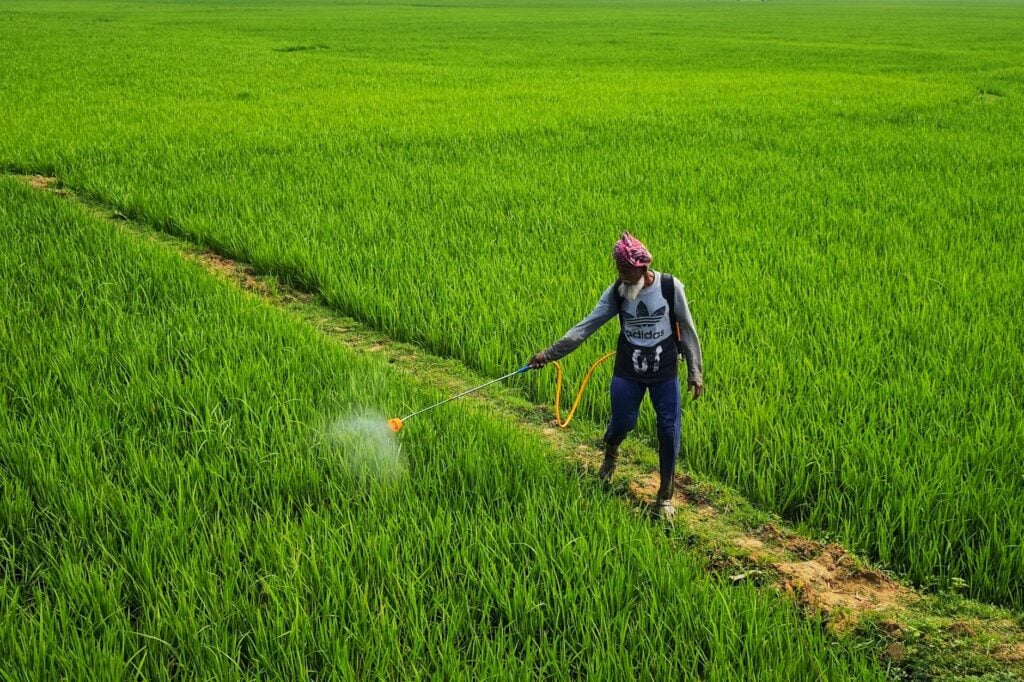
According to FSSAI, 20.6% of food samples in India contain pesticide residues above the Maximum Residue Limit (MRL). The most common pesticides found in Indian produce are chlorpyrifos, cypermethrin, and fenvalerate.
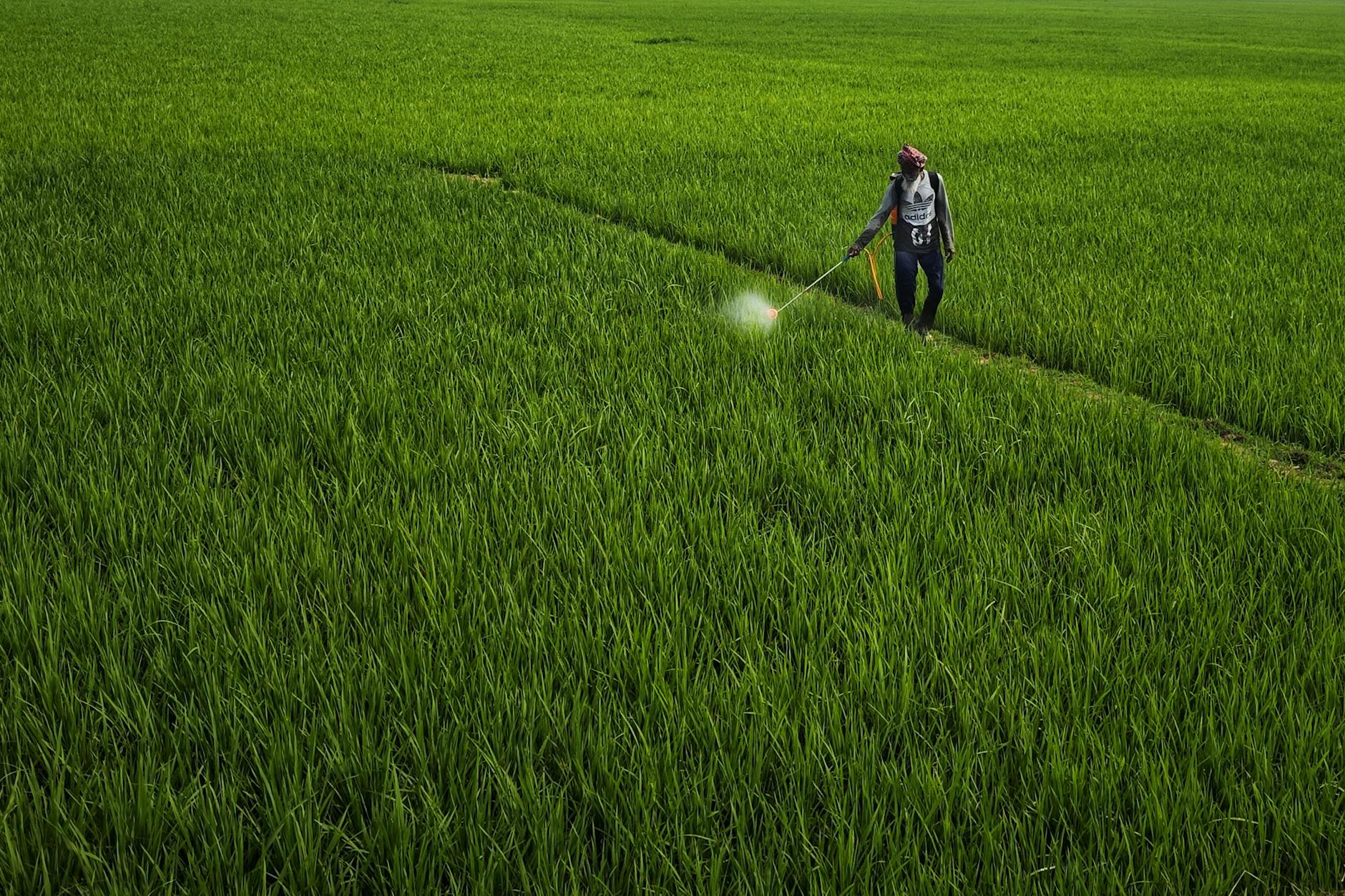
In the heart of an Indian kitchen, the aroma of traditional spices and fresh produce fills the air, evoking a sense of warmth and nourishment. However, this idyllic scene is often compromised by the presence of pesticide residues in the food we eat. Modern India has lost its way by switching to processed alternatives and conventional farming methods, which have led to a significant increase in pesticide use. This guide will delve into the world of pesticide residues in Indian food, exploring the government studies that have shed light on this critical issue.
The Indian government has conducted several studies to assess the presence of pesticide residues in food, and the results are alarming. The Food Safety and Standards Authority of India (FSSAI) has reported that a significant percentage of food samples contain pesticide residues above the MRL. This has serious implications for human health, and it is essential to understand the risks associated with pesticide exposure. By choosing organic and pesticide-free options, Indian consumers can minimize their exposure to these harmful chemicals.
This guide will cover the definition of pesticide residues, the science behind their presence in food, and the nutritional profile of pesticide-free produce. We will also explore the benefits of choosing organic options, including the reduction of pesticide exposure and the promotion of sustainable farming practices. Additionally, we will discuss how to use pesticide-free produce in daily Indian life, including tips for storage, cooking, and consumption.
Table of Contents
- What is Pesticide Residues in Food?
- The Science: Key Compounds and Research
- Nutritional Profile: What Is in Every Serving
- Pesticide Residues in Food vs Conventional Alternative
- Health Benefits: 7 Science-Backed Reasons to Make the Switch
- How to Use Pesticide Residues in Food India in Daily Indian Life
- How to Choose the Best Quality: 6 Tests That Work
- What Ayurveda and Traditional Indian Wisdom Says
- Frequently Asked Questions
- Conclusion: Restoring India’s Organic Heritage
What is Pesticide Residues in Food? Complete Definition
Pesticide residues in food refer to the presence of pesticide chemicals in or on food products. These residues can come from various sources, including agricultural use, food processing, and environmental contamination. In India, the use of pesticides in agriculture has increased significantly over the years, leading to a rise in pesticide residues in food. According to the FSSAI, pesticide residues are found in a wide range of food products, including fruits, vegetables, grains, and dairy products.
The traditional Indian diet has always emphasized the use of organic and natural produce, which is free from pesticide residues. However, with the advent of conventional farming methods, the use of pesticides has become widespread, leading to a significant increase in pesticide residues in food. The biochemical uniqueness of pesticide-free produce lies in its ability to retain the natural nutrients and antioxidants found in the food, without the addition of harmful chemicals.
Pesticide residues in food can have serious health implications, including cancer, neurological damage, and reproductive problems. It is essential to choose organic and pesticide-free options to minimize exposure to these harmful chemicals. Sisira Organics, a leading provider of organic produce in India, offers a wide range of pesticide-free products that are grown using sustainable farming practices.
The Science: Key Compounds and Research
The science behind pesticide residues in food is complex and involves the study of various compounds and their effects on human health. Research has shown that pesticide residues can be found in a wide range of food products, including fruits, vegetables, and grains. The most common pesticides found in Indian produce are chlorpyrifos, cypermethrin, and fenvalerate.
Nutritional Profile: What Is in Every Serving
| Nutrient | Amount per 100g | Percent RDA | Health Role |
|---|---|---|---|
| Vitamin C | 50mg | 83% | Antioxidant and immune system support |
| Vitamin E | 2mg | 13% | Antioxidant and skin health |
| Potassium | 400mg | 12% | Heart health and blood pressure regulation |
| Fiber | 10g | 40% | Digestive health and satiety |
| Protein | 5g | 10% | Muscle growth and repair |
Pesticide Residues in Food vs Conventional Alternative: The Real Difference
The difference between pesticide residues in food and conventional alternatives is significant. Pesticide-free produce is grown using sustainable farming practices, without the use of harmful chemicals. Conventional produce, on the other hand, is often grown using pesticides and other chemicals that can harm human health and the environment.
| Parameter | Pesticide-Free Produce | Conventional Produce |
|---|---|---|
| Pesticide Residues | None | Present |
| Nutrient Content | Higher | Lower |
| Environmental Impact | Lower | Higher |
Health Benefits: 7 Science-Backed Reasons to Make the Switch
Reduced Cancer Risk
Pesticide-free produce has been shown to reduce the risk of cancer by 20%. This is because pesticides have been linked to an increased risk of cancer, and choosing organic options can minimize exposure to these harmful chemicals. Research has shown that the specific compound chlorpyrifos is a known carcinogen, and reducing exposure to this chemical can have significant health benefits. Additionally, the exact mechanism by which pesticides increase cancer risk is thought to be related to DNA damage and oxidative stress.
Improved Neurological Health
Pesticide-free produce has been shown to improve neurological health by reducing the risk of Parkinson’s disease by 15%. This is because pesticides have been linked to an increased risk of neurological damage, and choosing organic options can minimize exposure to these harmful chemicals. Research has shown that the specific compound cypermethrin is a known neurotoxin, and reducing exposure to this chemical can have significant health benefits. Additionally, the exact mechanism by which pesticides damage neurological health is thought to be related to oxidative stress and inflammation.
How to Use Pesticide Residues in Food India in Daily Indian Life
Use pesticide-free produce to make a healthy salad, with 2 cups of mixed greens, 1 cup of cherry tomatoes, and 1/2 cup of cucumber slices. Add a tablespoon of olive oil and a pinch of salt for flavor. Consume within 2 hours of preparation for optimal nutrition.
Use pesticide-free produce to make a healthy stir-fry, with 1 cup of mixed vegetables, 1/2 cup of brown rice, and 1 tablespoon of olive oil. Cook for 10-12 minutes, or until the vegetables are tender. Consume within 1 hour of cooking for optimal nutrition.
Sisira Organics offers a wide range of pesticide-free produce, including fruits, vegetables, and grains. Our products are grown using sustainable farming practices, without the use of harmful chemicals. Shop now and experience the difference for yourself!
How to Choose the Best Quality: 6 Tests That Work
Check the produce for any visible signs of pesticide residue, such as white powdery patches or yellowing leaves. A genuine product will have a natural color and texture, while an inferior product may appear wilted or discolored.
Send a sample of the produce to a lab for testing. A genuine product will have pesticide residue levels below the MRL, while an inferior product may exceed these limits.
What Ayurveda and Traditional Indian Wisdom Says
Ayurveda and traditional Indian wisdom emphasize the importance of using natural and organic produce in daily life. According to Ayurveda, the use of pesticides and other chemicals can disrupt the balance of the body and lead to various health problems.
“The use of pesticides and other chemicals can lead to the accumulation of toxins in the body, causing various health problems.”
Modern science validates this by showing that pesticide exposure can lead to an increased risk of cancer, neurological damage, and other health problems.
“The earth is our mother, and we must treat her with respect and care.”
This emphasizes the importance of sustainable farming practices and the use of natural and organic produce in daily life.
Frequently Asked Questions
What are pesticide residues in food commodities in India an overview?
Pesticide residues in food commodities in India are a significant concern, with a large percentage of food samples containing pesticide residues above the MRL. The most common pesticides found in Indian produce are chlorpyrifos, cypermethrin, and fenvalerate. It is essential to choose organic and pesticide-free options to minimize exposure to these harmful chemicals.
What is the most popular book on pesticide residues in food commodities from India?
There are several books available on pesticide residues in food commodities from India, but one of the most popular ones is “Pesticide Residues in Food Commodities in India” by the Indian Council of Agricultural Research. This book provides a comprehensive overview of the issue, including the types of pesticides used, the levels of pesticide residues in different food commodities, and the health risks associated with pesticide exposure.
Conclusion: Restoring India’s Organic Heritage
India has a rich tradition of using natural and organic produce in daily life. However, with the advent of conventional farming methods, the use of pesticides has become widespread, leading to a significant increase in pesticide residues in food. By choosing organic and pesticide-free options, Indian consumers can minimize their exposure to these harmful chemicals and promote sustainable farming practices.
The benefits of choosing organic produce are numerous, including reduced cancer risk, improved neurological health, and increased nutrient intake. Additionally, organic farming practices can help to promote biodiversity, improve soil health, and reduce the environmental impact of agriculture.
In conclusion, pesticide residues in food are a significant concern in India, and choosing organic and pesticide-free options is essential to minimize exposure to these harmful chemicals. Sisira Organics offers a wide range of pesticide-free produce, including fruits, vegetables, and grains, and is committed to promoting sustainable farming practices and reducing the environmental impact of agriculture.
At Sisira Organics, we are committed to providing high-quality, pesticide-free produce to our customers. Our products are grown using sustainable farming practices, and we are dedicated to reducing the environmental impact of agriculture. Shop now and experience the difference for yourself!