
Multiflora vs Monoflora Honey
In this article
- Introduction – Why the Multiflora vs Monoflora Honey Debate Matters for Indian Health‑Conscious Consumers
- Quick Verdict – One‑Liner Winner for Each Use‑Case
- Detailed Comparison Table
- Multiflora Honey – The Poly‑Floral Powerhouse
- Monoflora Honey – The Single‑Source Specialist
- Who Should Choose Which Honey?
- Frequently Asked Questions (FAQ)
Introduction – Why the Multiflora vs Monoflora Honey Debate Matters for Indian Health‑Conscious Consumers
India’s honey market is as diverse as its culinary heritage. From the fragrant **Kashmiri Wildflower (Multiflora) honey** that drizzles over gajar ka halwa in the north, to the deep amber **Eucalyptus (Monoflora) honey** that sweetens a warm cup of masala chai in the south, each type carries a distinct botanical fingerprint, nutrient profile, and traditional use.
For the modern Indian consumer who juggles **Ayurvedic wisdom**, **glycaemic control**, **weight‑management goals**, and **performance‑boosting nutrition**, understanding these differences is not a luxury—it’s a necessity. Choosing the right honey can amplify the benefits of **dinacharya (daily routine)**, support **agni (digestive fire)**, and even align with **dosha‑balancing** principles.
This article breaks down the science, taste, cost, and cultural relevance of **Multiflora (poly‑floral) honey** versus **Monoflora (single‑source) honey**, so you can make an evidence‑based decision that fits your lifestyle and health goals.
- Multiflora honey offers a broader spectrum of antioxidants but a higher variability in sugar composition.
- Monoflora honey provides consistent flavour and a predictable glycaemic index, ideal for precise dietary planning.
- Both types can be Ayurvedically classified as “Madhura” (sweet) but differ in “Virya” (potency) and “Vipaka” (post‑digestive effect).
- Regional availability influences price: Multiflora is abundant in the Himalayas, while Monoflora (e.g., Eucalyptus, Acacia) dominates the Deccan plateau.
- Choosing the right honey depends on your health status—diabetic, athlete, weight‑loss seeker, or senior.
Quick Verdict – One‑Liner Winner for Each Use‑Case
| Use‑Case | Best Choice | Why |
|---|---|---|
| Everyday Sweetener (Taste‑First) | Multiflora Honey | Complex floral notes that complement Indian desserts and beverages. |
| Precise Glycaemic Control (Diabetics) | Monoflora Honey (Acacia/Eucalyptus) | Lower, more consistent GI (≈45) and stable fructose‑glucose ratio. |
| Antioxidant Boost (Ayurvedic “Rasayana”) | Multiflora Honey | Higher total phenolic content from diverse nectar sources. |
| Energy Surge for Athletes | Monoflora Honey (Eucalyptus) | Rapid glucose release plus anti‑inflammatory compounds. |
| Gentle Digestive Aid for Seniors | Monoflora Honey (Acacia) | Low acidity, mild “Virya,” easy on the stomach. |
Detailed Comparison Table
| Parameter | Multiflora (Poly‑floral) Honey | Monoflora (Single‑source) Honey |
|---|---|---|
| Typical Botanical Sources | Wild Himalayan flowers, mustard, litchi, neem, eucalyptus mix | Acacia (Acacia nilotica), Eucalyptus, Kadamba, Saffron (single‑source) |
| Average pH | 3.6 – 4.2 (slightly more acidic) | 3.2 – 3.8 (varies by plant; Acacia ~3.9, Eucalyptus ~3.4) |
| Fructose : Glucose Ratio | 1.2 : 1 (moderate) | 1.5 : 1 (Acacia) – 1.1 : 1 (Eucalyptus) |
| Glycaemic Index (GI) | 55‑65 (depends on floral mix) | 40‑48 (Acacia) – 50‑55 (Eucalyptus) |
| Total Phenolic Content (TPC) | ≈ 150 mg GAE/100 g (high) | ≈ 80‑120 mg GAE/100 g (moderate) |
| Key Antimicrobial Compounds | Hydrogen peroxide, flavonoids, methylglyoxal (varies) | Definite methylglyoxal (especially Manuka‑type) or specific monofloral phenols |
| Typical Colour & Viscosity | Amber to dark amber, medium‑thick | Light amber (Acacia) – dark amber (Eucalyptus), viscosity consistent |
| Traditional Ayurvedic Use | “Rasayana” – rejuvenation, “Ushna Virya” (warming) | “Madhura Virya” – soothing, “Madhura Vipaka” – sweet post‑digestive effect |
| Regional Availability in India | North‑East (Sikkim, Himachal), Kashmir, Uttarakhand | South‑West (Kerala, Karnataka), Central (Madhya Pradesh), North (Punjab – Acacia) |
| Average Cost (per 500 g) | ₹350‑₹550 (premium organic) | ₹250‑₹450 (organic certified) |
| Best For | Flavor‑driven cooking, antioxidant‑rich diets | Precise health‑targeted nutrition, low‑GI sweetening |
Multiflora Honey – The Poly‑Floral Powerhouse
What It Is
Multiflora honey, often labelled **“Wildflower”** or **“Poly‑floral”**, is harvested from hives that forage on **multiple nectar sources** within a region. In India, the most celebrated varieties come from the **Himalayan belt** (Kashmir, Himachal, Uttarakhand) where bees collect from a kaleidoscope of alpine blossoms, mustard fields, and even **Eucalyptus** trees that have been introduced for timber.
Nutritional Highlights
* **Carbohydrates**: 80‑82 g per 100 g, with a balanced mix of fructose (≈38 g) and glucose (≈30 g).
* **Vitamins & Minerals**: Trace amounts of B‑complex vitamins, vitamin C, calcium, iron, and potassium.
* **Antioxidants**: Studies on Himalayan poly‑floral honey show **total phenolic content up to 150 mg GAE/100 g**, giving it a **ORAC value** comparable to dark chocolate.
* **Enzymes**: High **diastase activity** (≥ 15 Schade units) and **invertase**, supporting digestion of complex carbs.
Flavor & Culinary Uses
The taste profile is **complex and layered**—floral sweetness punctuated by subtle earthy undertones. It works beautifully in:
* **Traditional sweets** – drizzled over **gajar ka halwa**, **payasam**, or **shrikhand**.
* **Savory dressings** – blended with mustard oil and roasted cumin for a **Kashmiri salad**.
* **Beverages** – a spoonful in **masala chai** or **turmeric milk** (golden milk) adds depth.
Ayurvedic Perspective
Multiflora honey is considered **Ushna (warming)** and **Madhura (sweet)** with a **Slightly Pitta‑balancing** effect due to its antioxidant load. It is recommended in **Rasayana** protocols to **revitalize tissues (dhatu)** and **support immunity**, especially during the **Vasanta (spring) and Sharad (autumn) seasons**.
Pros & Cons – Quick Glance
- Pros: Rich antioxidant spectrum, unique flavor, versatile in Indian recipes, supports Ayurvedic rejuvenation.
- Cons: Higher GI variability, slightly more acidic, price can be premium due to limited regional harvest.
Monoflora Honey – The Single‑Source Specialist
What It Is
Monoflora honey is derived from **one dominant nectar source**. In India, the most common monofloral types are:
* **Acacia (Acacia nilotica) honey** – light amber, mild taste.
* **Eucalyptus honey** – dark amber, robust, slightly medicinal.
* **Kadamba (Neolamarckia cadamba) honey** – fragrant, popular in the South.
Beekeepers often move hives near monoculture plantations to guarantee **purity of source**.
Nutritional Highlights
* **Carbohydrates**: 78‑80 g per 100 g, with a **higher fructose‑to‑glucose ratio** (especially Acacia, ~1.5:1).
* **Lower GI**: Acacia honey’s GI is **≈ 45**, making it one of the **lowest‑GI honeys** worldwide.
* **Phenolics**: 80‑120 mg GAE/100 g—still significant, though less than poly‑floral.
* **Specific Bioactives**: Eucalyptus honey contains **eucalyptol** and **cinnamic acid**, known for anti‑inflammatory action.
Flavor & Culinary Uses
Monoflora honey offers **consistency**:
* **Acacia** – delicate, perfect for **sweetening yogurt, smoothies, and tea** without altering flavor.
* **Eucalyptus** – bold, ideal for **marinades, glazes for grilled paneer or fish**, and **post‑workout recovery drinks**.
* **Kadamba** – aromatic, used in **South Indian desserts** like **payasam** and as a **prasad** offering.
Ayurvedic Perspective
Monoflora honey is generally **Madhura Virya** (sweet potency) with a **neutral to slightly Kapha‑balancing** effect. The **stable sugar profile** aligns with **Ayurvedic recommendations for Satva‑enhancing diets**, especially for **Vata individuals** who need gentle, non‑spicy sweeteners.
Pros & Cons – Quick Glance
- Pros: Predictable GI, consistent taste, often more affordable, suitable for precise dietary plans.
- Cons: Narrower antioxidant range, may lack the “exotic” flavor complexity prized in traditional Indian sweets.
Who Should Choose Which Honey?
Diabetics & Pre‑Diabetics
While honey is still a **simple sugar**, **Acacia monoflora honey** offers the **lowest GI** and a **higher fructose proportion**, leading to a slower rise in blood glucose. Use **½ tsp (≈3 g)** as a sweetener in tea or oatmeal, and pair with **high‑fiber foods** to blunt spikes.
Weight‑Loss Seekers
Both honeys provide **≈ 304 kcal per 100 g**, but the **satiety factor** is higher for **Multiflora** due to its richer phenolic content and slightly higher viscosity. A **tsp of Multiflora honey** before a workout can curb cravings, while **Monoflora** is better for **controlled portioning**.
Athletes & Fitness Enthusiasts
**Eucalyptus monoflora honey** is a natural **glycogen‑replenisher**: the rapid glucose surge, combined with anti‑inflammatory eucalyptol, aids post‑exercise recovery. Mix **20 g (≈ 1 tbsp)** with warm water and a pinch of **black pepper** for a quick “energy shot”.
Elderly & Digestive‑Sensitive Individuals
**Acacia monoflora honey** is **mild, low‑acid**, and easy on the stomach. Its **neutral “Virya”** makes it suitable for **Kapha‑dominant seniors** who need a gentle sweetener without aggravating mucus production. A spoonful before bedtime can soothe a dry cough, a traditional Ayurvedic remedy.
Traditional Foodies & Home‑Cooks
If you love the **rich, layered taste** in **regional desserts**—think **Kashmiri firni, Punjabi chole with a drizzle of honey**, or **Kerala’s banana halwa**—the **Multiflora** honey is your culinary ally.
Frequently Asked Questions (FAQ)
Shop our bestsellers
-
Sisira Organics Kobra Pain Relief Oil
30 mins2–5 daysShop Sisira Organics Kobra Pain Relief Oil. 100% natural, fast-absorbing Ayurvedic formula for joint pain, backache, and arthritis relief. No mineral oils.
Original price was: ₹189.₹159Current price is: ₹159.Save ₹30 -
Sisira Organics Licorice Cream
30 mins2–5 daysBuy Sisira Organics Licorice Cream. 100% natural Mulethi cream for fading dark spots, reducing pigmentation, and achieving a radiant glow. Vegan &…
Original price was: ₹230.₹200Current price is: ₹200.Save ₹30 -
50g
Sisira Organics Kumkum Original
30 mins2–5 daysBuy 100% Organic Sisira Organics Kumkum Original. Crafted with quality ingredients for a clean premium feel. Skin-safe, chemical-free, and easy to apply.
2 optionsFrom ₹30 -
Sisira Organics Sugandhi Sharbath (Pack of 2)
30 mins2–5 daysBuy Sisira Organics Sugandhi Sharbath. An authentic, premium Nannari syrup for refreshing drinks. Naturally cools the body and purifies the blood.
Original price was: ₹450.₹399Current price is: ₹399.Save ₹51


Keep reading

Best Honey for Diabetics
Why This Choice Matters Imagine it’s a scorching summer afternoon in Chennai. You’ve just finished a plate of steaming idli‑sambar, and the […]
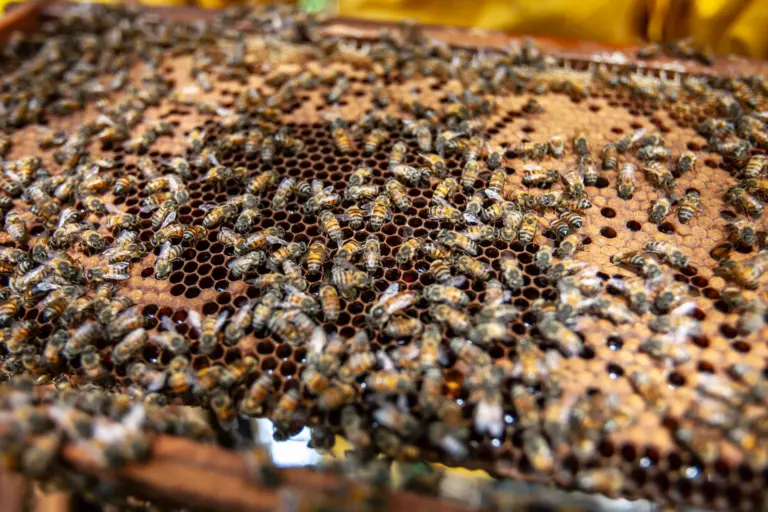
Propolis vs Regular Honey: Differences
Why This Guide Exists – The Real Problem Behind “Honey” on Indian Shelves India is the world’s second‑largest honey producer, yet the […]

Honey as Natural Cough Remedy
1. A Powerful Hook – The Surprising Statistic > **Did you know?** A 2022 systematic review of 17 clinical trials found that […]
For a faster, smoother experience, install our app
- ⚡Opens in one tap — quicker than the browser
- 📦Track orders and reorder favourites easily
- 🎁Be first to see daily deals and festive offers
Installs straight from our website in seconds.
- Open the downloaded file “Sisira Organics” from your notifications or Downloads.
- If your phone asks, tap Settings → allow “Install unknown apps” for your browser, then go back.
- Tap Install, then Open. Done!
- Tap the Share button ⬆ at the bottom of Safari.
- Choose “Add to Home Screen”, then Add.