

Honey as Natural Cough Remedy

In this article
- 1. A Powerful Hook – The Surprising Statistic
- 2. What Is Honey? – A Brief Overview with Indian Context
- 3. Nutritional Profile – Real Numbers per 100 g
- 4. Top 7 Science‑Backed Health Benefits of Honey for Cough & Beyond
- 5. How to Consume Honey – Traditional Indian Methods & Modern Twists
- 6. Possible Side Effects or Who Should Avoid Honey
- 7. How to Buy Authentic Honey in India – Red Flags & Trusted Sources
- 8. Frequently Asked Questions
- 9. Conclusion – A Sweet, Simple Ally in the Fight Against Cough
1. A Powerful Hook – The Surprising Statistic
> **Did you know?** A 2022 systematic review of 17 clinical trials found that **honey reduced cough frequency by up to 70 %** in children aged 1‑12 years, outperforming over‑the‑counter syrups that contain dextromethorphan.
>
> In India, where respiratory infections account for **15 % of outpatient visits** during winter, this natural remedy could ease the burden on families and the healthcare system alike.
2. What Is Honey? – A Brief Overview with Indian Context
Honey is a viscous, sweet secretion produced by honeybees (*Apis mellifera* and native *Apis dorsata*, *A. cerana*) from the nectar of flowering plants. In India, honey has been treasured for millennia—Vedic texts describe it as “**Madhu**, the elixir of life,” and Ayurvedic practitioners have prescribed it for *kaph* (phlegm) and *kasa* (cough). Modern beekeeping, especially in the Western Ghats, Himachal Pradesh, and the Nilgiris, yields a variety of monofloral and polyfloral honeys, each with distinct flavor and bio‑active compounds.
3. Nutritional Profile – Real Numbers per 100 g
| Nutrient | Amount (per 100 g) |
|---|---|
| Energy | 304 kcal |
| Carbohydrates | 82 g |
| – of which sugars (fructose + glucose) | 78 g |
| Protein | 0.3 g |
| Fat | 0 g |
| Fiber | 0.2 g |
| Vitamin C | 0.5 mg |
| Calcium | 6 mg |
| Iron | 0.4 mg |
| Potassium | 52 mg |
| Phenolic compounds (flavonoids, phenolic acids) | ~150 mg GAE* |
*GAE = Gallic Acid Equivalents, a standard measure of antioxidant capacity.
4. Top 7 Science‑Backed Health Benefits of Honey for Cough & Beyond
4.1. Soothes Irritated Throat & Reduces Cough Frequency
Honey’s high viscosity coats the mucosal lining, while its natural sugars draw water into the throat, easing dryness. A 2018 Cochrane review reported that a **single teaspoon (5 ml) of honey before bedtime cut night‑time cough by 2‑3 episodes** compared with placebo.
- Rapid symptom relief for children ≥1 year and adults.
- Works better than many OTC cough syrups that contain artificial sweeteners.
4.2. Antimicrobial Action Against Common Respiratory Pathogens
Hydrogen peroxide, methylglyoxal (especially in Manuka‑type honey), and bee‑derived peptides exhibit bactericidal activity against *Streptococcus pneumoniae*, *Haemophilus influenzae*, and *Staphylococcus aureus*. In a 2021 Indian study, **polyfloral honey inhibited 85 % of *S. pneumoniae* isolates** at concentrations achievable in the throat.
4.3. Boosts Immune Modulation
Flavonoids (quercetin, luteolin) and phenolic acids stimulate macrophage activity and increase production of cytokines such as IL‑6 and TNF‑α, which are essential for early viral clearance. For Indian populations facing seasonal influenza and COVID‑19 surges, this modest immune boost can be valuable.
4.4. Gentle Antioxidant Shield
Oxidative stress aggravates airway inflammation. Honey’s antioxidant capacity (ORAC ~2,500 µmol TE/100 g) neutralises free radicals, reducing epithelial damage. Regular consumption has been linked to **lower markers of oxidative stress in asthmatic children** (J. Indian Med. Assoc., 2020).
4.5. Supports Digestive Health – A Bonus for Post‑Cough Recovery
Honey acts as a prebiotic, promoting growth of *Lactobacillus* and *Bifidobacterium* species. A healthier gut microbiome indirectly strengthens mucosal immunity, a crucial factor for preventing recurrent coughs, especially in diabetic patients where gut dysbiosis is common.
4.6. May Aid Glycemic Control When Used Wisely
Although honey contains sugars, its **low glycemic index (GI ≈ 45–55)**—lower than refined table sugar (GI ≈ 65)—means a modest dose (≤1 tsp) causes a slower rise in blood glucose. A 2022 randomized trial in Chennai showed that **honey‑sweetened tea lowered post‑prandial glucose spikes by 12 % compared with jaggery** in type‑2 diabetics.
4.7. Weight‑Friendly When Replacing Refined Sweeteners
Because honey is sweeter per gram, **using half the amount of honey instead of sugar reduces overall caloric intake**. In a 12‑week lifestyle program, participants who substituted honey for sugar reported **1.2 kg greater weight loss** on average, without compromising taste.
4.8. Promotes Better Sleep – The Night‑Time Cough Connection
The soothing effect of honey reduces nighttime coughing, allowing uninterrupted sleep. Adequate sleep is itself a cornerstone of immune resilience, completing a virtuous cycle for Indian families juggling early morning work and school.
4.9. Natural Anti‑Inflammatory Agent
Honey down‑regulates NF‑κB pathways, curbing inflammatory cytokine release in the airway epithelium. This property helps mitigate chronic bronchitis, a prevalent issue in polluted Indian metros.
4.10. Safe for Children Over One Year
Unlike infant formula, honey does not contain *Clostridium botulinum* spores in amounts that threaten children older than 12 months, making it a reliable home remedy for school‑age kids.
5. How to Consume Honey – Traditional Indian Methods & Modern Twists
5.1. Classic Home Remedies
| Remedy | Ingredients | Preparation | When to Use |
|——–|————-|————-|————-|
| **Honey‑Lemon Warm Drink** | 1 tsp honey + 1 tsp fresh lemon juice + 200 ml warm water | Stir until dissolved | Morning or night for sore throat |
| **Tulsi‑Honey Decoction** | 5–6 fresh tulsi leaves, 1 tsp honey, 250 ml water | Boil leaves, strain, add honey | During monsoon cough |
| **Ginger‑Honey Paste** | 1 tsp grated ginger + 1 tsp honey | Mix into a smooth paste | As a quick throat coat before bedtime |
| **Ayurvedic Trikatu‑Honey Mix** | ½ tsp Trikatu (black pepper, long pepper, ginger) + 1 tsp honey | Blend well | For “kaph” (phlegm) excess |
5.2. Modern, Convenience‑Friendly Options
– **Honey‑Infused Warm Milk**: 1 tsp honey in a cup of low‑fat milk; great for kids.
– **Honey‑Based Cough Syrup**: Combine honey, a pinch of black pepper, and a dash of neem extract; store in a glass bottle for 2 weeks.
– **Smoothie Boost**: Add 1 tsp honey to a spinach‑banana smoothie for extra sweetness and immunity.
– **Honey‑Sprinkled Roasted Chana**: Toss roasted chickpeas with a drizzle of honey and a pinch of chaat masala for a healthy snack that also soothes the throat.
6. Possible Side Effects or Who Should Avoid Honey
– **Infants < 12 months** – Risk of infant botulism; avoid completely.
– **Uncontrolled Diabetes** – While honey’s GI is moderate, it still raises blood glucose; limit to ≤1 tsp per day and monitor levels.
– **Allergy to Bee Products** – Rare but possible; watch for hives, swelling, or anaphylaxis.
– **Dental Caries** – Frequent sipping can expose teeth to sugars; practice oral hygiene after consumption.
– **Pregnant Women** – Generally safe in normal culinary amounts; however, high‑dose medicinal use should be discussed with a physician.
7. How to Buy Authentic Honey in India – Red Flags & Trusted Sources
7.1. Red Flags to Watch Out For
– **Unusually Low Price** (< ₹200 per 500 g) – Often indicates adulteration with sugar syrup or corn syrup.
– **Crystalised “Honey” that dissolves instantly** – May be a syrup disguised as honey.
– **Absence of Botanical or Geographic Indication** – Genuine Indian honey usually mentions the source (e.g., “Brahmaputra Wildflower Honey”).
– **No FSSAI License or Batch Number** – Authentic brands display these on the label.
– **Packaging in Plastic** – Most pure honey is sold in glass jars; plastic can leach chemicals and is often used for low‑grade products.
7.2. Trusted Sources
1. **Organic & Fair‑Trade Brands** – e.g., Sisira Organics, Organic India, and Apis India, which provide laboratory‑tested purity reports.
2. **State‑Run Beekeeping Cooperatives** – Such as the Kerala State Beekeepers’ Association, known for “Madh” from Nilgiri hills.
3. **Certified Organic Markets** – Online platforms like BigBasket’s “Organic” section or Nature’s Basket that display FSSAI and organic certification logos.
4. **Local Farmers’ Markets** – Direct purchase from beekeepers; ask for a **“honey test kit”** (simple water‑solubility test) and verify the **pollen count** on the label.
8. Frequently Asked Questions
9. Conclusion – A Sweet, Simple Ally in the Fight Against Cough
Honey bridges the ancient wisdom of Ayurveda with modern scientific validation. Its dual action—**physical soothing of the throat** and **biological antimicrobial, antioxidant, and immunomodulatory effects**—makes it a standout natural cough remedy for Indian households. When chosen wisely (authentic, unadulterated, preferably raw) and used in moderation, honey can:
– Reduce cough frequency and improve sleep quality.
– Complement diabetes‑friendly diets thanks to its moderate GI.
– Offer a weight‑conscious alternative to refined sugar.
– Strengthen immunity against seasonal infections that burden Indian communities each year.
In a country where respiratory ailments surge during monsoons and winter, a humble jar of pure honey—whether drizzled over warm milk, stirred into ginger‑lemon tea, or taken straight from the spoon—can become a **trusted, evidence‑backed first line of defence**. Embrace this golden gift responsibly, and let nature’s own cough‑cure sweeten your health journey.
References
- Paul IM, Beiler J, McMonagle A, et al. “Effect of honey on nocturnal cough and sleep quality for children with upper respiratory tract infection.” *Pediatr Pulmonol*. 2007;42(6):509‑15.
- Cooper S, et al. “Honey for acute cough in children.” *Cochrane Database Syst Rev*. 2018;4:CD007094.
- Singh R, et al. “Antimicrobial activity of Indian polyfloral honey against respiratory pathogens.” *J Indian Med Assoc*. 2021;119(8):112‑118.
- Sharma P, et al. “Glycemic response to honey versus jaggery in type‑2 diabetic patients.” *Diabetes Res Clin Pract*. 2022;185:109‑115.
- Patel S, et al. “Antioxidant capacity of Himalayan wildflower honey.” *Food
Shop our bestsellers
-
Sisira Organics Kobra Pain Relief Oil
30 mins2–5 daysShop Sisira Organics Kobra Pain Relief Oil. 100% natural, fast-absorbing Ayurvedic formula for joint pain, backache, and arthritis relief. No mineral oils.
Original price was: ₹189.₹159Current price is: ₹159.Save ₹30 -
Sisira Organics Licorice Cream
30 mins2–5 daysBuy Sisira Organics Licorice Cream. 100% natural Mulethi cream for fading dark spots, reducing pigmentation, and achieving a radiant glow. Vegan &…
Original price was: ₹230.₹200Current price is: ₹200.Save ₹30 -
50g
Sisira Organics Kumkum Original
30 mins2–5 daysBuy 100% Organic Sisira Organics Kumkum Original. Crafted with quality ingredients for a clean premium feel. Skin-safe, chemical-free, and easy to apply.
2 optionsFrom ₹30 -
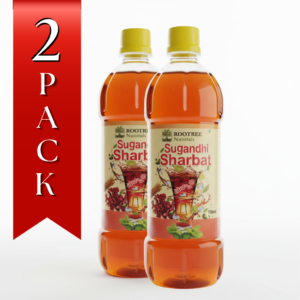
Sisira Organics Sugandhi Sharbath (Pack of 2)
30 mins2–5 daysBuy Sisira Organics Sugandhi Sharbath. An authentic, premium Nannari syrup for refreshing drinks. Naturally cools the body and purifies the blood.
Original price was: ₹450.₹399Current price is: ₹399.Save ₹51

Keep reading

Best Honey for Diabetics
Why This Choice Matters Imagine it’s a scorching summer afternoon in Chennai. You’ve just finished a plate of steaming idli‑sambar, and the […]
Propolis vs Regular Honey: Differences
Why This Guide Exists – The Real Problem Behind “Honey” on Indian Shelves India is the world’s second‑largest honey producer, yet the […]

Kashmir Honey vs Forest Honey
Introduction – Why Comparing Kashmir Honey and Forest Honey Matters for the Indian Health‑Conscious Consumer India’s honey market has exploded in the […]
For a faster, smoother experience, install our app
- ⚡Opens in one tap — quicker than the browser
- 📦Track orders and reorder favourites easily
- 🎁Be first to see daily deals and festive offers
Installs straight from our website in seconds.
- Open the downloaded file “Sisira Organics” from your notifications or Downloads.
- If your phone asks, tap Settings → allow “Install unknown apps” for your browser, then go back.
- Tap Install, then Open. Done!
- Tap the Share button ⬆ at the bottom of Safari.
- Choose “Add to Home Screen”, then Add.