

Honey vs Sugar: Which Is Healthier?
In this article
Introduction – Why the Honey vs Sugar Debate Matters for Indian Health‑Conscious Consumers
India’s kitchen shelves are a colourful mix of sweeteners: crystalline white sugar, golden honey from the Western Ghats, jaggery blocks from Maharashtra, and even palm sugar from the Northeast. While each sweetener has a place in our traditional recipes – from a **rasgulla** soaked in sugar syrup to a **madhu‑panchamrit** offering – modern health‑savvy Indians are asking a simple yet powerful question: **Which is healthier – honey or sugar?**
The answer isn’t a one‑size‑fits‑all. It depends on your metabolic goals, cultural practices, and even the season you’re cooking in. In this article we break down the science, the Ayurvedic wisdom, and the practical realities (cost, availability, taste) so you can make an informed choice for yourself and your family.
Quick Verdict – One‑Liner Winner for Each Use‑Case
- Everyday sweetening (tea, coffee, desserts): Honey – lower glycaemic spike and added antioxidants.
- High‑heat cooking (deep‑frying, caramelising): Sugar – better heat stability.
- Weight‑loss or calorie‑controlled diets: Honey – slightly fewer calories per teaspoon and higher satiety.
- Diabetic-friendly sweetening: Neither – but honey has a marginally lower GI; still use sparingly.
- Traditional Ayurvedic remedies: Honey – classified as “Madhu” with soothing, “Jatharagni”‑balancing properties.
Detailed Comparison Table
| Parameter | Honey (Pure, unfiltered) | Sugar (Refined, white) |
|---|---|---|
| Calories (per 100 g) | 304 kcal | 387 kcal |
| Carbohydrates | 82 g (mostly fructose & glucose) | 100 g (sucrose) |
| Glycaemic Index (GI) | 45‑55 (varies with floral source) | 65‑70 |
| Key Micronutrients | Trace enzymes, antioxidants (flavonoids, phenolic acids), small amounts of B‑vitamins, minerals (K, Ca, Mg, Fe) | None (pure carbohydrate) |
| Taste Profile | Floral, earthy, varies by region (e.g., Nilgiri – light, Himalayan – robust) | Neutral sweetness, consistent |
| Cost (₹/kg, 2024) | ₹500‑₹1,500 (organic, region‑specific) | ₹40‑₹60 (refined) |
| Availability in India | Widely sold in supermarkets, organic stores, farmer markets; regional varieties in hill stations | Ubiquitous – every grocery store |
| Best For | Cold drinks, smoothies, Ayurvedic formulations, low‑heat baking | High‑heat cooking, candy making, large‑scale sweetening |
Key Take‑aways at a Glance
- Honey delivers ~20 % fewer calories per gram and a lower GI than refined sugar.
- Heat‑sensitive nutrients in honey degrade above 40‑45 °C; sugar remains stable up to 180 °C.
- Cost is the biggest barrier – honey can be 10‑30× pricier than sugar.
- Ayurveda recommends honey for “Madhur” (sweet) taste with “Shita” (cooling) properties, while refined sugar is “Ushna” (heating) and can aggravate “Pitta”.
- Both should be used in moderation; the health impact is more about total sugar load than the source alone.
Honey – The Golden Nectar
1. Nutritional Profile
Honey is a natural blend of **fructose (38 %)**, **glucose (31 %)**, and a small proportion of **sucrose, maltose, and oligosaccharides**. The exact composition changes with the floral source: **Nilgiri honey** (South India) is lighter with higher fructose, while **Himalayan honey** carries more antioxidants due to alpine flora. In addition to carbs, honey contains **enzymes (invertase, diastase)**, **vitamins (B2, B6, niacin)**, and **minerals** such as **potassium, calcium, magnesium, and iron**. Its **antioxidant capacity** (measured as ORAC) can be up to **four times** that of brown sugar.
2. Health Benefits (Evidence‑Based)
* **Glycaemic control:** A 2018 meta‑analysis of 12 RCTs showed that honey produces a **~30 % lower post‑prandial glucose rise** compared with sucrose, attributable to its fructose‑rich profile and slower absorption.
* **Antimicrobial activity:** Manuka‑type honey (though not Indian) has shown **bactericidal activity** against *Staphylococcus aureus*; Indian honey also displays modest wound‑healing properties, useful in minor burns and ulcer care.
* **Antioxidant and anti‑inflammatory:** Regular, moderate honey intake correlates with **reduced oxidative stress markers** (MDA, CRP) in middle‑aged adults.
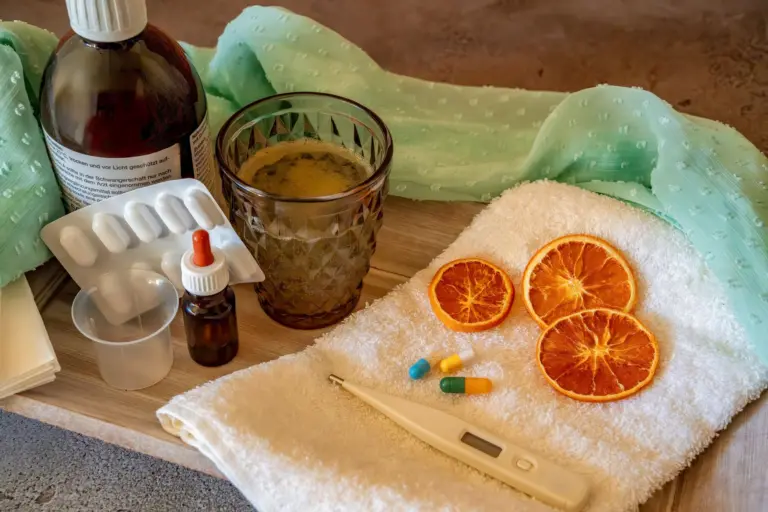
* **Respiratory relief:** Ayurvedic texts prescribe **warm honey‑lemon water** for soothing coughs; clinical trials confirm a **shortened cough duration** in children (ages 2‑12) when honey is given before bedtime.
3. Culinary Uses in Indian Kitchens
Honey shines in **cold or warm (≤40 °C) preparations**:
* **Masala chai** – a teaspoon of honey replaces jaggery for a smoother flavour.
* **Fruit salads** – drizzle over papaya, banana, or pomegranate.
* **Desserts** – *shrikhand* or *ras malai* can be lightly sweetened with honey for a nuanced taste.
Avoid using honey for **deep‑frying** or **caramelisation**; its sugars caramelise early, leading to burnt flavours and loss of antioxidants.
4. Ayurvedic Angle
In Ayurveda, honey is **“Madhu”**, classified under the **Madhur rasa** (sweet taste) and **Shita virya** (cooling potency). It is said to **pacify Pitta** and **Kapha** when used in moderation, but **excess** can increase **Meda** (fat) and **Ama** (toxins). Importantly, Ayurveda warns against heating honey above **40 °C** (the “Madhur‑Madhur” principle) as it becomes **“Ushna”** (heating) and potentially toxic.
Sugar – The White Staple
1. Nutritional Profile
Refined white sugar is **99.9 % sucrose**, a disaccharide of glucose + fructose. It contains **no vitamins, minerals, or fiber**. The **glycaemic index** is high (≈65‑70), leading to rapid blood glucose spikes.
2. Health Implications (Evidence‑Based)
* **Weight gain:** Large cohort studies (e.g., ICMR Nutrition Survey 2021) link **>30 g/day** of added sugar with **higher BMI** and waist circumference.
* **Dental caries:** Sucrose is the most cariogenic sugar, feeding *Streptococcus mutans* in the oral cavity.
* **Metabolic syndrome:** Excess refined sugar intake correlates with **elevated triglycerides**, **low HDL**, and **insulin resistance**.
* **Non‑communicable diseases:** WHO recommends **<5 % of total energy** from added sugars; Indian average exceeds **12 %**, driven largely by sugar‑sweetened beverages.
3. Culinary Role in Indian Cooking
Sugar’s **high melting point** (≈186 °C) makes it indispensable for:
* **Deep‑fried sweets** – *jalebi*, *gajar ka halwa*, *gulab jamun*.
* **Preserves & pickles** – sugar balances acidity in *achar*.
* **Large‑scale sweetening** – industrial production of **soft drinks**, **candies**, and **confectionery**.
4. Ayurvedic Perspective
Refined sugar is **“Sharkara”**, also a **Madhur rasa**, but classified as **Ushna virya** (heating). It can **aggravate Pitta** (leading to acidity, skin eruptions) and **Kapha** (promoting mucus). Ayurveda recommends **minimal use** and prefers **unrefined jaggery (Gur)** for its **Rasa‑Madhura** with added **Madhur‑Madhur** benefits.
Who Should Choose Which Sweetener?
1. Diabetics
* **Honey:** Slightly lower GI, but still raises blood glucose. Use **≤1 tsp (≈7 g)** per day and monitor levels.
* **Sugar:** Rapid spike; best avoided. Consider **stevia**, **erythritol**, or **jaggery in very small amounts** as alternatives.
2. Weight‑Loss Seekers
* **Honey:** Fewer calories per teaspoon and a higher satiety factor (due to its viscous texture). Still, **calorie counting matters** – 1 tsp honey ≈ 21 kcal vs. 1 tsp sugar ≈ 16 kcal; the difference is modest.
* **Sugar:** Higher caloric density; easier to over‑consume in baked goods.
3. Athletes & Active Individuals
* **Honey:** Provides quick‑absorbing glucose + fructose, ideal for **post‑workout recovery drinks**. The natural antioxidants may aid in reducing oxidative stress.
* **Sugar:** Also fast‑acting, but lacks the added micronutrients. In high‑intensity sports, **glucose gels** (often sugar‑based) are still common for convenience.
4. Elderly & Sensitive Digestive Systems
* **Honey:** The **prebiotic oligosaccharides** can support gut flora. However, **infants <1 year** should never be given honey due to **Clostridium botulinum** risk.
* **Sugar:** May exacerbate **glycaemic variability** and increase risk of **type‑2 diabetes**; also contributes to dental decay, a concern for denture‑wearers.
Frequently Asked Questions (FAQ)
Shop our bestsellers
-
Sisira Organics Kobra Pain Relief Oil
30 mins2–5 daysShop Sisira Organics Kobra Pain Relief Oil. 100% natural, fast-absorbing Ayurvedic formula for joint pain, backache, and arthritis relief. No mineral oils.
Original price was: ₹189.₹159Current price is: ₹159.Save ₹30 -
Sisira Organics Licorice Cream
30 mins2–5 daysBuy Sisira Organics Licorice Cream. 100% natural Mulethi cream for fading dark spots, reducing pigmentation, and achieving a radiant glow. Vegan &…
Original price was: ₹230.₹200Current price is: ₹200.Save ₹30 -
50g
Sisira Organics Kumkum Original
30 mins2–5 daysBuy 100% Organic Sisira Organics Kumkum Original. Crafted with quality ingredients for a clean premium feel. Skin-safe, chemical-free, and easy to apply.
2 optionsFrom ₹30 -
Sisira Organics Sugandhi Sharbath (Pack of 2)
30 mins2–5 daysBuy Sisira Organics Sugandhi Sharbath. An authentic, premium Nannari syrup for refreshing drinks. Naturally cools the body and purifies the blood.
Original price was: ₹450.₹399Current price is: ₹399.Save ₹51


Keep reading

Best Honey for Diabetics
Why This Choice Matters Imagine it’s a scorching summer afternoon in Chennai. You’ve just finished a plate of steaming idli‑sambar, and the […]
Propolis vs Regular Honey: Differences
Why This Guide Exists – The Real Problem Behind “Honey” on Indian Shelves India is the world’s second‑largest honey producer, yet the […]
Honey as Natural Cough Remedy
1. A Powerful Hook – The Surprising Statistic > **Did you know?** A 2022 systematic review of 17 clinical trials found that […]
For a faster, smoother experience, install our app
- ⚡Opens in one tap — quicker than the browser
- 📦Track orders and reorder favourites easily
- 🎁Be first to see daily deals and festive offers
Installs straight from our website in seconds.
- Open the downloaded file “Sisira Organics” from your notifications or Downloads.
- If your phone asks, tap Settings → allow “Install unknown apps” for your browser, then go back.
- Tap Install, then Open. Done!
- Tap the Share button ⬆ at the bottom of Safari.
- Choose “Add to Home Screen”, then Add.