















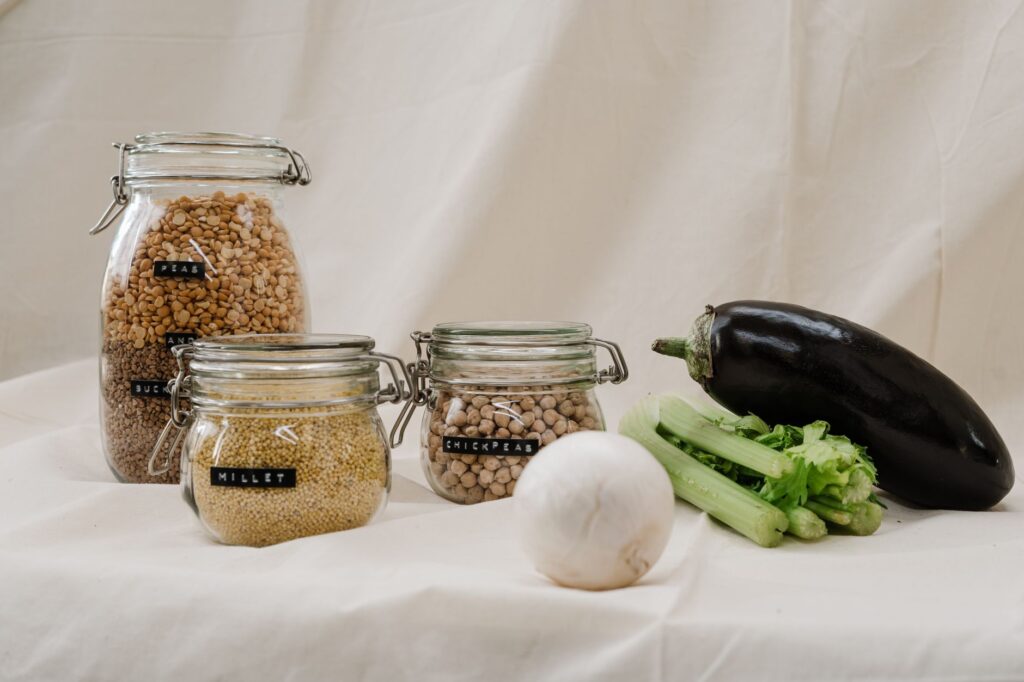
1) Why This Guide Exists – The Problem Statement
Thyroid disorders affect > 12 % of Indian adults, with hypothyroidism being the most common. While medication is essential, diet plays a crucial supporting role. Millets—finger millet (ragi), pearl millet (bajra), foxtail millet (kangni), little millet (kutki), and barnyard millet (sanwa)—are hailed as “thyroid‑friendly” because they are naturally low in goitrogens, rich in magnesium, zinc, and B‑vitamins that aid hormone synthesis, and have a low glycemic index that stabilises blood sugar (a hidden trigger for thyroid imbalance).
However, the Indian millet market is fragmented. Packaged millets may be mixed with rice, wheat flour, or even synthetic dyes. Consumers often face:
* **Misinformation** – “Organic” labels without certification.
* **Adulteration** – Heavy‑metal contamination, pesticide residues, or added preservatives.
* **Inconsistent quality** – Variable grain size, moisture, and nutrient loss.
This guide equips you with the knowledge to **choose genuine, nutrient‑dense millets**, **avoid pitfalls**, and **cook them for maximum thyroid benefit**.
- Millets are naturally low‑goitrogenic and high in minerals that support thyroid health.
- Indian markets have a high risk of adulteration; vigilance is essential.
- Correct storage preserves nutrients and prevents mold, which can aggravate thyroid autoimmunity.
—
2) What to Look for When Buying – 6 Essential Factors
2.1 Certified Organic / FSSAI “Made‑Safe” Mark
Look for the **FSSAI “Made‑Safe” seal** or **USDA/India Organic** logo. These indicate third‑party testing for pesticide residues, heavy metals, and GMOs. In India, the **National Programme for Organic Production (NPOP)** certification is the gold standard.
2.2 Grain Integrity – Whole‑grain vs. Flour
Whole‑grain millets retain the bran and germ, where most minerals reside. Avoid “millet flour” that has been **pre‑refined** unless you need a fine texture for rotis. Whole‑grain kernels should be **uniform in size, free of broken pieces, and have a natural earthy aroma**.
2.3 Moisture Content & Shelf‑life
Ideal moisture is **≤ 12 %**. Higher moisture encourages fungal growth (e.g., *Aspergillus* spp.) that produce aflatoxins—dangerous for thyroid‑autoimmune patients. Check the pack for a **“Best‑Before” date** and store in a cool, dry place.
2.4 Traceability – Source Region
Millets from **rain‑fed, pesticide‑free regions** such as **Madhya Pradesh (bajra), Karnataka (ragi), and Gujarat (kodo)** are known for higher mineral content. Brands that disclose the **farm name or cooperative** provide greater transparency.
2.5 Packaging – Airtight, Light‑proof
Millets are sensitive to **oxidation** and **light‑induced nutrient loss** (especially B‑vitamins). Prefer **multi‑layer laminated pouches** with **inner nitrogen flushing** or **metal tins**. Avoid transparent plastic bags.
2.6 Price vs. Quality Correlation
While cheaper bulk millets may be tempting, **extremely low prices** (< ₹30 /kg for ragi) often signal **sub‑standard handling** or **adulteration with cheaper grains**. A modest premium (₹40‑₹70 /kg) usually guarantees better quality control.
Millet Nutrient Snapshot (per 100 g, raw)
| Millet | Calcium (mg) | Iron (mg) | Magnesium (mg) | GI* |
|---|---|---|---|---|
| Ragi (Finger) | 344 | 3.9 | 137 | 55 |
| Bajra (Pearl) | 42 | 3.3 | 124 | 50 |
| Kangni (Foxtail) | 21 | 2.5 | 115 | 45 |
| Kutki (Little) | 27 | 2.0 | 108 | 38 |
| Sanwa (Barnyard) | 18 | 1.8 | 102 | 35 |
*Glycemic Index (lower is better for thyroid stability)
—
3) Red Flags & Adulteration Signs – What to Watch Out For
| Red Flag | How It Manifests | Why It Matters for Thyroid |
|———-|——————|—————————-|
| **Discolored grains** (yellowish, pink, or overly white) | May indicate **chemical bleaching** or **synthetic dyes** used to mask old stock. | Dyes can trigger autoimmune flare‑ups. |
| **Excessive powdery residue** | Sign of **wheat flour or rice starch** added to increase weight. | Wheat gluten can aggravate Hashimoto’s in susceptible individuals. |
| **Unusual odor** (musty, sour) | Indicates **mold or rancidity** from high moisture. | Mycotoxins can impair thyroid hormone conversion. |
| **Missing certification labels** | No FSSAI, NPOP, or ISO marks. | Lack of testing increases risk of pesticide/heavy‑metal contamination. |
| **Inconsistent grain size** | Large chunks mixed with fine particles. | Suggests **mix‑and‑match** with cheaper grains. |
| **Packaging without a batch/lot number** | No traceability. | Makes recall impossible if contamination is later discovered. |
If any of these are present, **reject the product** and report the vendor to the local food safety authority.
—
4) How to Use, Cook & Store Millets for Thyroid Health
4.1 Soaking – The First Step
Soak whole millets for **4–6 hours** (or overnight) in **water + a pinch of turmeric**. This:
* Reduces phytic acid (which binds zinc & iron).
* Shortens cooking time, preserving B‑vitamins.
* Improves digestibility—important for patients with sluggish metabolism.
4.2 Cooking Techniques
| Method | Ratio (Millet:Water) | Time | Thyroid‑Friendly Benefits |
|——–|———————-|——|—————————-|
| **Boiling (like rice)** | 1 : 2.5 | 15‑20 min | Simple, retains minerals. |
| **Pressure‑cooking** | 1 : 2 | 7‑10 min | Minimal nutrient loss, great for busy schedules. |
| **Khichdi / Porridge** | 1 : 3‑3.5 | 20‑25 min (add vegetables) | Combines millets with iodine‑rich veggies (spinach, kale) for synergistic effect. |
| **Baked/Flatbread (Millet Rotis)** | 1 : 0.5 (dough) | 2‑3 min per side | Low‑glycemic, high‑satiety. Use **A2 ghee** for added selenium. |
*Tip:* Add **a tsp of black cumin (kalonji) or fenugreek seeds** during cooking to boost **selenium** and **iron** absorption—both crucial for thyroid hormone synthesis.
4.3 Storage Best Practices
1. **Airtight containers** (glass jars with rubber seal or food‑grade metal tins).
2. Store in a **cool, dark pantry** ( 6 months), keep a **silica gel packet** to control humidity.
4. **Freeze** millets (raw, uncooked) if you buy in bulk; they stay fresh for up to **12 months** without nutrient loss.
—
5) Price Range in INR Across Quality Tiers
| Tier | Example Price (per kg) | Typical Quality | Recommended Use |
|——|————————|—————-|—————–|
| **Economy** | ₹30 – ₹45 | Mixed grain size, basic packaging, no certification | Occasional use, test for taste before daily consumption. |
| **Mid‑range** | ₹46 – ₹70 | Uniform kernels, FSSAI “Made‑Safe”, laminated pouch | Daily staples, suitable for thyroid‑support diets. |
| **Premium / Organic** | ₹71 – ₹110+ | NPOP certified, traceable farm, nitrogen‑flushed tins, low moisture | For sensitive thyroid patients, athletes, or when you demand maximal nutrient integrity. |
Prices fluctuate seasonally; **ragi** tends to be pricier in winter (higher demand) while **bajra** drops after the monsoon harvest.
—
6) Recommended Brands & Sources in India
| Brand | Millets Offered | Certification | Why We Trust Them |
|——-|—————-|—————|——————-|
| **Sisira Organics** | Ragi, Bajra, Kangni, Kutti, Sanwa | NPOP, FSSAI “Made‑Safe”, QR traceability | Cold‑pressed packaging, farm‑direct sourcing from Karnataka & Madhya Pradesh. |
| **24 Mantra Organic** | Ragi, Bajra, Little Millet | USDA‑Organic, NPOP | Transparent supply chain, regular third‑party audits. |
| **Organic India** | Ragi, Foxtail Millet | NPOP, ISO 22000 | Low‑moisture processing, community‑farm partnerships. |
| **Pure & Sure (Reliance)** | Bajra, Pearl Millet | FSSAI “Made‑Safe” | Widely available in supermarkets; price‑competitive. |
| **Local Cooperative Stores** (e.g., **Kisan Seva** in Rajasthan) | Region‑specific millets | Often NPOP, direct farmer link | Freshness, minimal middle‑man handling. |
*Tip:* When buying online, check the **seller’s rating** and **customer photos** of the actual product. Prefer **direct‑to‑consumer** platforms that ship in **sealed tins**.
—
7) Common Mistakes to Avoid
- Skipping the soak – leads to poor mineral absorption.
- Storing millets in open jars – invites moisture, insects, and mycotoxins.
- Mixing millets with refined wheat flour for convenience – negates thyroid‑friendly benefits.
- Using high‑heat roasting without oil – destroys heat‑sensitive B‑vitamins.
- Ignoring iodine intake – millets are low in iodine; balance with seaweed, dairy, or iodised salt.
—
8) FAQ
—
9) Quick Summary Checklist
- ✅ Choose **NPOP/USDA‑organic** millets with FSSAI “Made‑Safe” seal.
- ✅ Verify **moisture ≤ 12 %**, uniform grain size, and airtight packaging.
- ✅ Look out for **color, odor, and powdery residues** as red flags.
- ✅ **Soak 4‑6