















Why This Guide Exists – The Real Problem with Ashwagandha in India
India’s ancient pharmacopeia has gifted the world with **Ashwagandha (Withania somnifera)** – a revered adaptogen that can calm stress, boost stamina, and support hormonal balance. Yet, the surge in demand over the past five years has also attracted a flood of low‑quality, mislabeled, or adulterated products. From “synthetic ashwagandha” sold in bright‑colored sachets to bulk powders contaminated with fillers, the average Indian consumer faces three core challenges:
1. **Unclear labeling** – many brands omit the part of the plant used (root vs. leaf), extraction method, or standardised withanolide content.
2. **Variable potency** – without a guaranteed withanolide percentage, the dose you take may be a fraction of what you think.
3. **Safety concerns** – heavy‑metal contamination, pesticide residues, and hidden allergens are still reported in some domestic batches.
This guide cuts through the noise, giving you a **practical, evidence‑backed roadmap** to select, use, and store Ashwagandha safely – so you can reap its benefits without the guesswork.
- Look for *standardised* withanolide content (≥ 5 % for root extracts).
- Prefer *organic, GMP‑certified* manufacturers with third‑party lab reports.
- Store in a cool, dry place and avoid exposure to light to preserve potency.
- Typical safe dosage: 300‑600 mg of standardized extract × 1‑2 times daily.
- Beware of fillers like maltodextrin, starch, or synthetic colors.
What to Look for When Buying – 6 Essential Factors
1. Plant Part & Extraction Method
- Root vs. leaf: The root contains the highest concentration of withanolides (≈ 1‑3 % naturally). Leaf powders are cheaper but often lower in active compounds.
- Extraction: Alcoholic (hydro‑alcoholic) extraction yields a more concentrated, bioavailable product. Water‑based extracts are milder but may require larger doses.
2. Standardisation of Withanolides
- Look for a label stating “Standardised to ≥ 5 % withanolides (root extract)” or “≥ 2.5 % withanolides (leaf extract)”. This guarantees a minimum potency.
- Brands that provide a *certificate of analysis (CoA)* from an accredited lab (e.g., SGS, Intertek) score higher on trust.
3. Organic & GMP Certification
- Organic certification (India Organic, USDA‑Organic, EU‑Organic) ensures the crop is free from synthetic pesticides and GMOs.
- Good Manufacturing Practices (GMP) or ISO‑9001 certification indicates controlled processing, reducing contamination risk.
4. Form – Powder, Capsules, or Liquid Extract?
- Powder: Ideal for smoothies, teas, or cooking, but requires careful dosing.
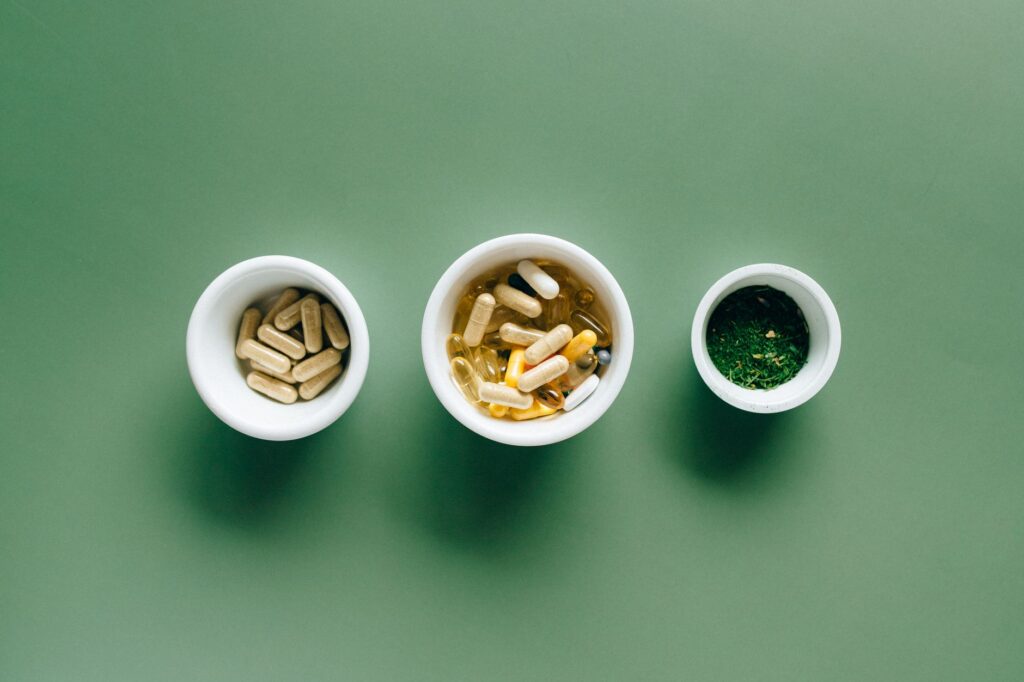
- Capsules/Tablets: Pre‑measured, convenient, and often have added anti‑caking agents – check the filler list.
- Liquid tincture: Fast absorption, good for those with swallowing issues; ensure it’s alcohol‑based for stability.
5. Third‑Party Testing & Transparency
- Brands that upload the CoA on their website or QR‑code on the pack enable you to verify heavy‑metal (Pb, Cd, Hg, As) limits and microbial counts.
- Look for “NSF Certified for Sport” if you are an athlete concerned about doping‑related contaminants.
6. Price‑to‑Quality Ratio
- Ultra‑cheap powders (< ₹200 for 100 g) often hide fillers and have < 1 % withanolides.
- Mid‑range (₹400‑₹800/100 g) usually offers organic, standardized root extract.
- Premium (₹900‑₹1,500/100 g) delivers ≥ 5 % withanolides, rigorous testing, and eco‑friendly packaging.
| Factor | Low‑Cost (<₹300) | Mid‑Range (₹400‑₹800) | Premium (₹900+) |
|---|---|---|---|
| Plant Part | Leaf powder, mixed | Root extract (standardised) | Root extract, ≥5 % withanolides |
| Certification | None or self‑claimed | Organic (India/USDA), GMP | Organic + GMP + NSF |
| Third‑Party CoA | Rare | Available on request | QR‑code on pack |
| Fillers | High (maltodextrin, starch) | Low (magnesium stearate only) | None or natural (rice flour) |
| Shelf‑Life | 6‑12 months | 12‑18 months | 24 months |
Red Flags & Adulteration Signs – Protect Yourself
- Missing or vague botanical name: “Ashwagandha” without *Withania somnifera* or part used is a warning.
- Bright artificial colours: Natural root powder is beige‑brown; neon pink/red indicates added dyes.
- Excessive fillers: More than 10 % of maltodextrin, rice flour, or soy protein may dilute potency.
- Unrealistic claims: “100 % pure ashwa, 20 % withanolides” exceeds known scientific limits.
- No batch number or expiry date: Legitimate manufacturers always provide traceability.
- Heavy‑metal warnings: If the label lacks “Pb < 10 ppm” etc., request the CoA before purchase.
- Price too good to be true: Sub‑₹150 for a 100 g pack of “standardised” ashwa is almost certainly adulterated.
How to Use, Cook & Store Ashwagandha
Recommended Dosage
- Standardised root extract (≥5 % withanolides): 300‑600 mg once or twice daily, preferably with meals.
- Powder (non‑standardised): 1‑2 g (≈ ½‑1 tsp) daily, split between morning and evening.
- Start low (300 mg) and increase gradually to assess tolerance.
Best Ways to Incorporate
- Morning tea: Add ½ tsp powder to warm milk (dairy or almond) with a pinch of turmeric and honey.
- Smoothies: Blend 1 tsp powder with banana, spinach, and a spoon of organic honey.
- Cooking: Sprinkle powder into dal, khichdi, or oatmeal after cooking to preserve heat‑sensitive withanolides.
- Capsules: Swallow with a full glass of water, ideally after a meal to reduce stomach irritation.
- Liquid tincture: 20‑30 drops under the tongue or mixed in a glass of water.
Safety & Interactions
- Pregnant or lactating women should consult a physician before use.
- People on thyroid medication, sedatives, or immunosuppressants need medical guidance.
- Do not combine with high‑dose benzodiazepines or alcohol without professional advice.
Storage Tips
- Keep in an airtight, opaque container (preferably glass) to protect from light.
- Store in a cool, dry pantry – ideal temperature 15‑25 °C.
- Avoid refrigeration; moisture can cause clumping and microbial growth.
- Note the “best before” date and use within 12 months of opening for maximum potency.
Price Range in INR Across Quality Tiers
- Budget (₹150‑₹300 / 100 g): Typically leaf powder, no standardisation, possible fillers.
- Mid‑range (₹400‑₹800 / 100 g): Organic root extract, ≥5 % withanolides, basic third‑party testing.
- Premium (₹900‑₹1,500 / 100 g): Certified organic, GMP, full CoA, eco‑friendly packaging, often sourced from specific regions (e.g., Karnataka’s high‑altitude farms).
Recommended Brands & Sources in India
| Brand | Form | Key Claims | Price (₹/100 g) | Why We Trust It |
|---|---|---|---|---|
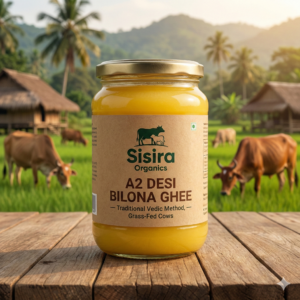
| Sisira Organics | Root powder (organic) | Certified organic, 5 % withanolides, QR‑code CoA | ₹780 | GMP facility, third‑party lab, transparent sourcing from Karnataka |
| Organic India | Capsules (standardised) | 5 % withanolides, USDA‑Organic, NSF‑Sport | ₹1,050 (30 caps) | Long‑standing brand, rigorous testing, widely available |
| Himalaya | Tablet | Herbal blend, 2 % withanolides, AYUSH‑certified | ₹460 (60 tabs) | Large pharma backing, consistent batch quality |
| Kapiva | Liquid extract | Alcoholic tincture, 10 % withanolides, vegan | ₹1,200 (30 ml) | Cold‑pressed extraction, transparent lab reports |
| Pure & Sure (Online Marketplace) | Leaf powder | Non‑standardised, no certification | ₹180 | Use only as a test batch; high risk of adulteration |
Common Mistakes to Avoid
- Skipping the CoA: Assuming “organic” means “pure” without verification.
- Over‑dosing: Taking more than 1 g of non‑standardised powder thinking it equals a higher‑strength extract.
- Mixing with hot oil: High temperatures (> 70 °C) degrade withanolides; add ashwa after cooking.
- Storing in the fridge: Moisture induces clumping and microbial growth.
- Ignoring drug interactions: Especially thyroid meds and sedatives.
FAQ – Your Top 5 Questions Answered