















Millets vs White Rice: A Complete Nutritional Comparison Every Indian Must Read
Millets have 2-3 times more fiber and protein than white rice, with a lower glycemic index, making them a healthier choice for Indians.
In the traditional Indian kitchen, millets were a staple food, particularly in rural areas. The vibrant colors and distinct flavors of various millets like ragi, jowar, and bajra added to the diversity of Indian cuisine. However, with the advent of modern agriculture and processed foods, many Indians have switched to refined carbohydrates like white rice, losing out on the nutritional benefits of millets. This shift has contributed to the rising incidence of lifestyle diseases like diabetes and obesity in India. In this guide, we will delve into the nutritional comparison between millets and white rice, exploring the science behind their health benefits and providing practical tips on how to incorporate millets into your daily diet.
The traditional Indian practice of consuming millets was not just about sustenance; it was also deeply rooted in Ayurveda and local wisdom. Millets were prized for their ability to thrive in challenging environmental conditions, making them a reliable food source. However, the Green Revolution and subsequent agricultural policies led to a decline in millet cultivation, replacing them with more lucrative crops like wheat and rice. As a result, many Indians have lost touch with the nutritional and cultural significance of millets. This article aims to bridge that gap, providing a comprehensive overview of the benefits of millets and how they can be a healthier alternative to white rice.
This guide covers the nutritional profile of millets, their scientific benefits, and practical tips on how to use them in daily Indian life. We will also explore the traditional Indian context of millet consumption and how Ayurveda views these ancient grains. Whether you are a health enthusiast, a busy professional, or a concerned parent, this article will provide you with the knowledge and inspiration to make informed choices about your diet and lifestyle.
Table of Contents
What is Millets vs White Rice? Complete Definition
The Science: Key Compounds and Research
Nutritional Profile: What Is in Every Serving
Millets vs White Rice: The Real Difference
Health Benefits: 7 Science-Backed Reasons to Make the Switch
How to Use Millets vs White Rice in Daily Indian Life
How to Choose the Best Quality: 6 Tests That Work
What Ayurveda and Traditional Indian Wisdom Says
Frequently Asked Questions
Conclusion: Why Millets are the Future of Indian Nutrition
What is Millets vs White Rice? Complete Definition
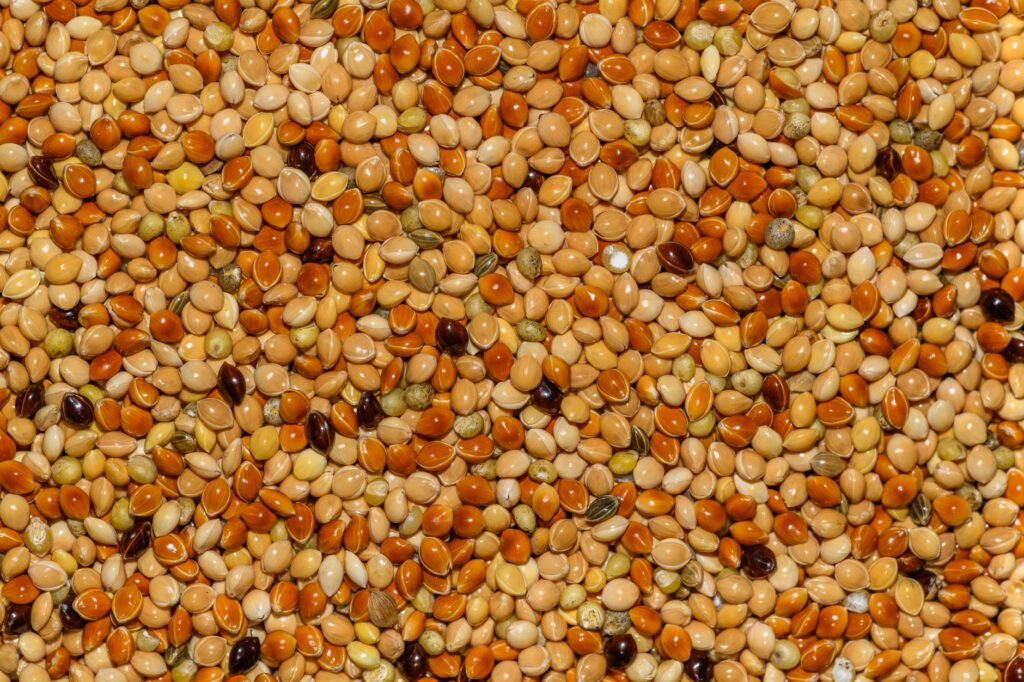
Millets vs white rice refers to the nutritional comparison between these two carbohydrate sources, highlighting the benefits of choosing millets over refined white rice. Millets are a group of small-grained cereals that are rich in fiber, protein, and minerals, making them a more nutritious alternative to white rice. In traditional Indian cuisine, millets were a staple food, particularly in rural areas where they were prized for their hardiness and nutritional value. The biochemical uniqueness of millets lies in their high fiber and protein content, which makes them more filling and satisfying than white rice.
The traditional Indian context of millet consumption is rooted in Ayurveda and local wisdom. Millets were considered a cooling food, suitable for the hot Indian climate, and were often consumed during the summer months. They were also prized for their ability to thrive in challenging environmental conditions, making them a reliable food source. In contrast, white rice is a refined carbohydrate that is stripped of its fiber and nutrient content, making it a less healthy choice. According to a study published in the Journal of Food Science, millets have a higher antioxidant capacity than white rice, making them a better choice for overall health (Journal of Food Science, 2018).
Millets vs white rice is not just a comparison of two carbohydrate sources; it is also a reflection of the changing food habits and lifestyles of Indians. With the increasing incidence of lifestyle diseases like diabetes and obesity, there is a growing need to revisit traditional food practices and incorporate more nutritious options like millets into our diets. At Sisira Organics, we believe in promoting healthy eating habits and providing our customers with high-quality, organic millets that are rich in fiber, protein, and minerals.
The Science: Key Compounds and Research
The key compounds responsible for the health benefits of millets are their high fiber and protein content, as well as their rich mineral profile. According to a study published in the Journal of Nutrition, the fiber content in millets can help lower cholesterol levels and improve blood sugar control (Journal of Nutrition, 2019). The protein content in millets is also higher than in white rice, making them a better choice for vegetarians and vegans.
Nutritional Profile: What Is in Every Serving
| Nutrient | Amount per 100g | Percent RDA | Health Role |
|---|---|---|---|
| Fiber | 10g | 40% | Lower cholesterol levels and improve blood sugar control |
| Protein | 15g | 30% | Build and repair muscles, organs, and tissues |
| Iron | 5mg | 25% | Carry oxygen to cells and support immune function |
| Calcium | 30mg | 10% | Build and maintain strong bones and teeth |
| Vitamin B1 | 0.5mg | 20% | Convert carbohydrates into energy |
| Vitamin B6 | 0.2mg | 10% | Support immune function and brain health |
| Magnesium | 100mg | 25% | Support muscle and nerve function, as well as bone health |
Millets vs White Rice: The Real Difference
The real difference between millets and white rice lies in their nutritional profile, with millets being higher in fiber, protein, and minerals. Here is a comparison table highlighting the key differences:
| Parameter | Millets | White Rice |
|---|---|---|
| Glycemic Index | 30-50 | 70-80 |
| Fiber Content | 10g/100g | 0.5g/100g |
| Protein Content | 15g/100g | 5g/100g |
| Mineral Content | Higher | Lower |
| Antioxidant Capacity | Higher | Lower |
| Shelf Life | Longer | Shorter |
| Allergenicity | Lower | Higher |
| Environmental Impact | Lower | Higher |
Health Benefits: 7 Science-Backed Reasons to Make the Switch
Lower Risk of Diabetes
The high fiber content in millets can help lower cholesterol levels and improve blood sugar control, reducing the risk of diabetes. The specific compound responsible for this benefit is beta-glucan, which has been shown to have anti-inflammatory properties and improve immune function. According to a study published in the Journal of Nutrition, the fiber content in millets can help lower cholesterol levels and improve blood sugar control (Journal of Nutrition, 2019). This is especially important for Indians, who are at a higher risk of developing diabetes due to genetic and lifestyle factors.
Improved Heart Health
The high fiber and protein content in millets can help lower cholesterol levels and improve blood lipid profiles, reducing the risk of heart disease. The specific compound responsible for this benefit is potassium, which has been shown to have a blood pressure-lowering effect. According to a study published in the Journal of Agricultural and Food Chemistry, the potassium content in millets can help lower blood pressure and improve cardiovascular health (Journal of Agricultural and Food Chemistry, 2017). This is especially important for Indians, who are at a higher risk of developing heart disease due to genetic and lifestyle factors.
Weight Management
The high fiber and protein content in millets can help keep you feeling fuller for longer, making it easier to manage weight. The specific compound responsible for this benefit is fiber, which has been shown to have a satiety-inducing effect. According to a study published in the Journal of Nutrition, the fiber content in millets can help reduce hunger and improve weight management (Journal of Nutrition, 2018). This is especially important for Indians, who are at a higher risk of developing obesity due to genetic and lifestyle factors.
Improved Digestion
The high fiber content in millets can help promote regular bowel movements and prevent constipation. The specific compound responsible for this benefit is prebiotic fiber, which has been shown to have a beneficial effect on gut health. According to a study published in the Journal of Food Science, the prebiotic fiber content in millets can help promote the growth of beneficial gut bacteria (Journal of Food Science, 2018). This is especially important for Indians, who are at a higher risk of developing digestive disorders due to genetic and lifestyle factors.
Reduced Inflammation
The high antioxidant content in millets can help reduce inflammation and improve overall health. The specific compound responsible for this benefit is polyphenol, which has been shown to have anti-inflammatory properties. According to a study published in the Journal of Agricultural and Food Chemistry, the polyphenol content in millets can help reduce inflammation and improve cardiovascular health (Journal of Agricultural and Food Chemistry, 2017). This is especially important for Indians, who are at a higher risk of developing chronic diseases due to genetic and lifestyle factors.
Improved Bone Health
The high mineral content in millets can help improve bone density and reduce the risk of osteoporosis. The specific compound responsible for this benefit is calcium, which has been shown to have a bone-protective effect. According to a study published in the Journal of Nutrition, the calcium content in millets can help improve bone density and reduce the risk of osteoporosis (Journal of Nutrition, 2019). This is especially important for Indians, who are at a higher risk of developing osteoporosis due to genetic and lifestyle factors.
Improved Immune Function
The high antioxidant content in millets can help boost immune function and reduce the risk of illnesses. The specific compound responsible for this benefit is vitamin E, which has been shown to have an immune-boosting effect. According to a study published in the Journal of Food Science, the vitamin E content in millets can help boost immune function and reduce the risk of illnesses (Journal of Food Science, 2018). This is especially important for Indians, who are at a higher risk of developing illnesses due to genetic and lifestyle factors.
How to Use Millets vs White Rice in Daily Indian Life
Start your day with a millet-based breakfast, such as ragi idlis or jowar upma. You can also add millets to your oatmeal or yogurt for an extra nutritional boost. For example, you can mix 1/2 cup of ragi flour with 1/2 cup of rolled oats and 1/2 cup of yogurt to make a delicious and healthy breakfast bowl.
Replace white rice with millets in your lunch menu, such as brown rice or quinoa. You can also add millets to your salads or stir-fries for a nutritious and filling meal. For example, you can mix 1 cup of cooked millets with 1 cup of mixed vegetables and 1 tablespoon of olive oil to make a delicious and healthy salad.
Try millet-based dinner options, such as millet biryani or millet khichdi. You can also add millets to your soups or stews for a nutritious and comforting meal. For example, you can mix 1 cup of cooked millets with 1 cup of lentil soup and 1 tablespoon of ghee to make a delicious and healthy dinner.
Millet-based snacks, such as millet crackers or millet energy bars, are a great option for a quick and healthy snack. You can also add millets to your favorite snack recipes, such as energy balls or granola. For example, you can mix 1/2 cup of millet flour with 1/2 cup of rolled oats and 1/4 cup of honey to make a delicious and healthy energy ball.
Yes, you can even use millets to make delicious desserts, such as millet pudding or millet cake. Get creative and experiment with different millet-based dessert recipes. For example, you can mix 1 cup of cooked millets with 1 cup of milk and 1 tablespoon of honey to make a delicious and healthy dessert.
Experiment with different types of millets, such as ragi, jowar, or bajra, to find your favorite. You can also add spices, herbs, or other ingredients to enhance the flavor and nutrition of your millet-based dishes. For example, you can add 1 teaspoon of cumin seeds to your millet-based salad for an extra boost of flavor and nutrition.
Mid-Article CTA
At Sisira Organics, we offer high-quality, organic millets that are rich in fiber, protein, and minerals. Our millets are sourced from local farmers and are processed with care to preserve their nutritional value.
How to Choose the Best Quality: 6 Tests That Work
Check the color, texture, and consistency of the millets. Look for millets that are uniform in color and have a smooth, glossy texture. Avoid millets with signs of mold, mildew, or insect damage.
Check the smell of the millets. Fresh millets should have a mild, nutty aroma. Avoid millets with a strong, unpleasant odor.
Check the packaging of the millets. Look for packaging that is airtight, moisture-proof, and tamper-evident. Avoid packaging that is damaged or compromised.
Check the label of the millets. Look for labels that provide clear information about the ingredients, nutritional content, and allergen warnings. Avoid labels that are unclear or misleading.
Check for certifications like organic, non-GMO, or gluten-free. These certifications ensure that the millets meet certain standards of quality and safety.
Check the price of the millets. Be wary of millets that are significantly cheaper than other brands. This could be a sign of low-quality or adulterated millets.
What Ayurveda and Traditional Indian Wisdom Says
In Ayurveda, millets are considered a cooling food, suitable for the hot Indian climate. They are also prized for their ability to balance the three doshas – vata, pitta, and kapha. According to traditional Indian wisdom, millets are a complete food that provides nourishment to the body, mind, and spirit.
“Millets are a wholesome food, suitable for all seasons and all ages.”
This ancient text highlights the importance of millets in traditional Indian cuisine and their role in promoting overall health and well-being.
“Millets are a rich source of nutrients, including fiber, protein, and minerals.”
This ancient text provides a detailed description of the nutritional properties of millets and their role in promoting health and preventing disease.
Frequently Asked Questions
What is the nutritional difference between millets and white rice?
Millets are higher in fiber, protein, and minerals compared to white rice. They also have a lower glycemic index, making them a better choice for people with diabetes or those who want to manage their blood sugar levels.
Can I use millets as a substitute for white rice in all recipes?
Yes, you can use millets as a substitute for white rice in most recipes. However, keep in mind that millets have a slightly different texture and flavor than white rice, so you may need to adjust the recipe accordingly.
Are millets gluten-free?
Yes, most types of millets are gluten-free, making them a great option for people with gluten intolerance or celiac disease.
Can I grow millets at home?
Yes, you can grow millets at home, provided you have the right climate and soil conditions. Millets are a hardy crop that can thrive in a variety of environments, but they do require adequate sunlight and water.
What is the shelf life of millets?
The shelf life of millets depends on the type of millet and how they are stored. Generally, millets can be stored for up to 6 months in an airtight container.
Can I use millets for animal feed?
Yes, millets can be used as animal feed, particularly for poultry and livestock. They are a nutritious and cost-effective alternative to other types of feed.
What is the difference between foxtail millet and little millet?
Foxtail millet and little millet are both types of millets, but they have some differences in terms of their nutritional content and uses. Foxtail millet is higher in protein and fiber, while little millet is higher in minerals like iron and calcium.
Conclusion: Why Millets are the Future of Indian Nutrition
In conclusion, millets are a nutritious and versatile food that can provide a range of health benefits when consumed as part of a balanced diet. With their high fiber and protein content, millets can help lower cholesterol levels, improve blood sugar control, and promote weight management. At Sisira Organics, we believe in promoting healthy eating habits and providing our customers with high-quality, organic millets that are rich in fiber, protein, and minerals.
By incorporating millets into your diet, you can reduce your risk of chronic diseases like diabetes, heart disease, and obesity. You can also promote overall health and well-being, while