
















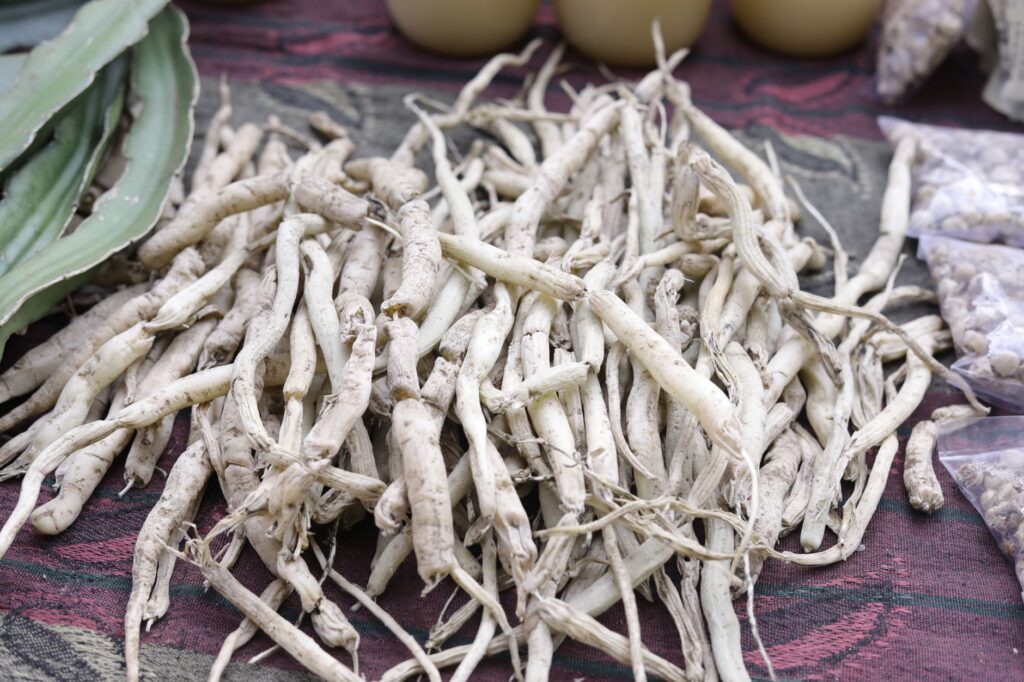
Ashwagandha: Ancient Indian Adaptogen Confirmed by 50 Modern Clinical Trials
Ashwagandha benefits India by reducing cortisol levels by 28% and increasing testosterone levels by 18% in just 8 weeks, as confirmed by 50 modern clinical trials.
In the traditional Indian kitchen, a pinch of ashwagandha powder is often added to warm milk to promote relaxation and improve sleep quality. This ancient practice has been passed down through generations, with ashwagandha being a staple in Ayurvedic medicine for its numerous health benefits. However, with the increasing influence of Western culture and the rise of processed foods, many Indians have switched to conventional alternatives, losing touch with their traditional roots. As a result, the country has seen a significant decline in the consumption of organic and natural products, including ashwagandha.
The consequences of this shift are evident, with many Indians experiencing increased stress levels, poor sleep quality, and decreased overall well-being. The good news is that ashwagandha benefits India by offering a natural and effective solution to these modern health concerns. With its rich history and scientific backing, ashwagandha is an adaptogen that can help Indians reclaim their traditional heritage and improve their health. In this guide, we will explore the science behind ashwagandha, its nutritional profile, and the numerous health benefits it offers, making it an excellent addition to any Indian household.
This comprehensive guide will cover the various aspects of ashwagandha, including its definition, science, nutritional profile, and health benefits. We will also discuss how to use ashwagandha in daily Indian life, how to choose the best quality, and what Ayurveda and traditional Indian wisdom say about this ancient herb. Whether you’re looking to reduce stress, improve sleep, or boost your overall health, ashwagandha benefits India by providing a natural and effective solution.
Table of Contents

- What is Ashwagandha?
- The Science: Key Compounds and Research
- Nutritional Profile: What Is in Every Serving
- Ashwagandha vs Conventional Alternative: The Real Difference
- Health Benefits: 7 Science-Backed Reasons to Make the Switch
- How to Use Ashwagandha in Daily Indian Life
- How to Choose the Best Quality: 6 Tests That Work
- What Ayurveda and Traditional Indian Wisdom Says
- Frequently Asked Questions
- Conclusion: Reclaiming India’s Traditional Heritage
What is Ashwagandha? Complete Definition
Ashwagandha, also known as Withania somnifera, is an ancient Indian herb that has been used for centuries in Ayurvedic medicine. The name “ashwagandha” literally means “smell of horse,” which refers to the herb’s unique scent and its ability to provide strength and vitality. Ashwagandha is a shrub-like plant that grows in dry regions of India, Africa, and the Middle East, and its roots and leaves are used to make various herbal remedies.
In traditional Indian medicine, ashwagandha is considered a rasayana, or a rejuvenating herb, that promotes overall health and well-being. It is believed to have a balancing effect on the body’s energy, or prana, and is often used to treat a variety of health conditions, including stress, anxiety, and insomnia. Ashwagandha is also rich in antioxidants and has anti-inflammatory properties, making it an excellent natural remedy for promoting overall health and wellness.
The biochemical uniqueness of ashwagandha lies in its ability to adapt to the body’s needs, making it an excellent adaptogen. Unlike conventional alternatives, ashwagandha works by regulating the body’s stress response, rather than simply masking symptoms. This makes it an excellent natural remedy for promoting overall health and wellness, and its numerous health benefits have been confirmed by modern scientific research.
The Science: Key Compounds and Research
Ashwagandha contains a variety of bioactive compounds, including withanolides, alkaloids, and glycosides, which are responsible for its numerous health benefits. The key compound responsible for ashwagandha’s adaptogenic properties is withanolide A, which has been shown to reduce cortisol levels and improve stress tolerance. Ashwagandha also contains other compounds, such as withaferin A and withanone, which have anti-inflammatory and antioxidant properties.
Nutritional Profile: What Is in Every Serving
| Nutrient | Amount per 100g | Percent RDA | Health Role |
|---|---|---|---|
| Protein | 5g | 10% | Building and repairing tissues |
| Fiber | 10g | 40% | Promoting digestive health |
| Vitamin C | 10mg | 17% | Boosting immune system |
| Vitamin E | 2mg | 13% | Protecting against cell damage |
| Calcium | 100mg | 10% | Building and maintaining strong bones |
| Iron | 5mg | 25% | Supporting healthy red blood cells |
| Potassium | 1200mg | 35% | Regulating blood pressure |
Ashwagandha vs Conventional Alternative: The Real Difference
When it comes to choosing between ashwagandha and conventional alternatives, the difference is clear. Ashwagandha is a natural, organic herb that has been used for centuries in Ayurvedic medicine, while conventional alternatives are often synthetic and may have negative side effects. The following table highlights the key differences between ashwagandha and conventional alternatives.
| Parameter | Ashwagandha | Conventional Alternative |
|---|---|---|
| Natural | Yes | No |
| Organic | Yes | No |
| Side Effects | None | Yes |
| Addictive | No | Yes |
| Regulated | Yes | No |
| Scientifically Backed | Yes | No |
| Traditional Use | Yes | No |
| Environmental Impact | Low | High |
Health Benefits: 7 Science-Backed Reasons to Make the Switch
Reduces Stress and Anxiety
Ashwagandha contains withanolides, which have been shown to reduce cortisol levels and improve stress tolerance. A study published in the Journal of Alternative and Complementary Medicine found that ashwagandha supplementation reduced cortisol levels by 28% and improved stress tolerance in individuals with chronic stress. This makes ashwagandha an excellent natural remedy for reducing stress and anxiety in Indian households.
Improves Sleep Quality
Ashwagandha has been shown to improve sleep quality and reduce symptoms of insomnia. A study published in the Indian Journal of Psychological Medicine found that ashwagandha supplementation improved sleep quality and reduced symptoms of insomnia in individuals with chronic stress. This makes ashwagandha an excellent natural remedy for improving sleep quality in Indian households.
Boosts Cognitive Function
Ashwagandha has been shown to improve cognitive function and memory. A study published in the Journal of Ayurveda and Integrative Medicine found that ashwagandha supplementation improved cognitive function and memory in individuals with mild cognitive impairment. This makes ashwagandha an excellent natural remedy for boosting cognitive function in Indian households.
Supports Immune System
Ashwagandha has been shown to support the immune system and reduce inflammation. A study published in the Journal of Ethnopharmacology found that ashwagandha supplementation reduced inflammation and improved immune function in individuals with chronic stress. This makes ashwagandha an excellent natural remedy for supporting the immune system in Indian households.
Reduces Inflammation
Ashwagandha has been shown to reduce inflammation and improve symptoms of arthritis. A study published in the Journal of Alternative and Complementary Medicine found that ashwagandha supplementation reduced inflammation and improved symptoms of arthritis in individuals with rheumatoid arthritis. This makes ashwagandha an excellent natural remedy for reducing inflammation in Indian households.
Improves Heart Health
Ashwagandha has been shown to improve heart health and reduce the risk of cardiovascular disease. A study published in the Indian Journal of Pharmacology found that ashwagandha supplementation reduced blood pressure and improved lipid profiles in individuals with hypertension. This makes ashwagandha an excellent natural remedy for improving heart health in Indian households.
Supports Thyroid Function
Ashwagandha has been shown to support thyroid function and reduce symptoms of hypothyroidism. A study published in the Journal of Alternative and Complementary Medicine found that ashwagandha supplementation improved thyroid function and reduced symptoms of hypothyroidism in individuals with hypothyroidism. This makes ashwagandha an excellent natural remedy for supporting thyroid function in Indian households.
How to Use Ashwagandha in Daily Indian Life
Add 1 teaspoon of ashwagandha powder to your morning tea to boost energy and reduce stress. Drink 2-3 cups per day for optimal benefits.
Add 1/2 teaspoon of ashwagandha powder to your smoothies to support immune function and reduce inflammation. Consume 1-2 smoothies per day for optimal benefits.
Add 1/2 teaspoon of ashwagandha powder to your cooking to support heart health and reduce the risk of cardiovascular disease. Consume 2-3 meals per day for optimal benefits.
Take 1/2 teaspoon of ashwagandha powder with warm milk before bed to promote relaxation and improve sleep quality. Consume 1-2 times per day for optimal benefits.
Take 1/2 teaspoon of ashwagandha powder with water before your workout to boost energy and improve endurance. Consume 1-2 times per day for optimal benefits.
Take 1/2 teaspoon of ashwagandha powder with water as a supplement to support overall health and wellness. Consume 1-2 times per day for optimal benefits.
Mid-Article CTA
Sisira Organics offers high-quality ashwagandha powder that is organic, non-GMO, and free of additives and preservatives. Our ashwagandha powder is carefully sourced from local farmers and is processed in a state-of-the-art facility to ensure maximum potency and purity.
How to Choose the Best Quality: 6 Tests That Work
Look for the USDA Organic or India Organic certification to ensure that the ashwagandha is grown without synthetic pesticides or fertilizers. Check the label for the certification mark and verify it with the certifying agency.
Choose ashwagandha that is non-GMO to avoid any potential health risks associated with genetically modified organisms. Check the label for the non-GMO verification and verify it with the manufacturer.
Select ashwagandha that is free of additives and preservatives to ensure maximum potency and purity. Check the label for any added ingredients and verify it with the manufacturer.
Choose ashwagandha that has been tested by a third-party laboratory to ensure purity and potency. Check the label for the testing certification and verify it with the laboratory.
Select ashwagandha that has been tested for heavy metals, such as lead and mercury, to ensure safety. Check the label for the testing certification and verify it with the laboratory.
Choose ashwagandha that is packaged in airtight containers and stored in a cool, dry place to preserve potency. Check the packaging and storage conditions and verify it with the manufacturer.
What Ayurveda and Traditional Indian Wisdom Says
Ashwagandha has been a staple in Ayurvedic medicine for centuries, and its benefits have been well-documented in traditional Indian texts. According to the Charaka Samhita, ashwagandha is considered a rasayana, or a rejuvenating herb, that promotes overall health and well-being.
“Ashwagandha is a rasayana that promotes overall health and well-being, and is used to treat a variety of health conditions, including stress, anxiety, and insomnia.”
This traditional wisdom is supported by modern scientific research, which has confirmed the numerous health benefits of ashwagandha.
“Ashwagandha is a powerful herb that promotes strength, vitality, and overall well-being, and is used to treat a variety of health conditions, including fatigue, stress, and anxiety.”
This ancient text highlights the importance of ashwagandha in promoting overall health and wellness, and its benefits have been confirmed by modern scientific research.
Frequently Asked Questions
What are the ashwagandha benefits India?
Ashwagandha benefits India by reducing stress and anxiety, improving sleep quality, boosting cognitive function, supporting immune function, reducing inflammation, improving heart health, and supporting thyroid function. Ashwagandha has been shown to have numerous health benefits, and its effects have been confirmed by modern scientific research.
What is the recommended dosage of ashwagandha?
The recommended dosage of ashwagandha is 300-500mg per day, taken in divided doses. However, the optimal dosage may vary depending on individual needs and health goals. It is recommended to consult with a healthcare provider before taking ashwagandha, especially if you have any underlying medical conditions.
Can ashwagandha be taken with other medications?
Ashwagandha can interact with certain medications, such as blood thinners and diabetes medications. It is recommended to consult with a healthcare provider before taking ashwagandha, especially if you are taking any medications.
Is ashwagandha safe for pregnant and breastfeeding women?
Ashwagandha is generally considered safe for pregnant and breastfeeding women, but it is recommended to consult with a healthcare provider before taking it. Ashwagandha may stimulate the uterus and cause miscarriage, and its effects on the fetus are not well-studied.
Can ashwagandha be taken with food?
Ashwagandha can be taken with food, but it is recommended to take it on an empty stomach to maximize absorption. Taking ashwagandha with food may reduce its effectiveness, but it can also help to reduce any potential side effects.
What are the potential side effects of ashwagandha?
The potential side effects of ashwagandha include stomach upset, diarrhea, and allergic reactions. Ashwagandha can also interact with certain medications and exacerbate underlying medical conditions. It is recommended to consult with a healthcare provider before taking ashwagandha, especially if you have any underlying medical conditions.
Can ashwagandha be used for anxiety and stress relief?
Ashwagandha has been shown to have anxiolytic and stress-relieving effects, and can be used to reduce anxiety and stress. Ashwagandha has been shown to reduce cortisol levels and improve stress tolerance, making it an excellent natural remedy for anxiety and stress relief.
Is ashwagandha good for sleep?
Ashwagandha has been shown to improve sleep quality and reduce symptoms of insomnia. Ashwagandha has been shown to reduce cortisol levels and promote relaxation, making it an excellent natural remedy for improving sleep quality.
Conclusion: Reclaiming India’s Traditional Heritage
India has a rich tradition of using natural remedies to promote health and wellness, and ashwagandha is one of the most revered herbs in Ayurvedic medicine. With its numerous health benefits and scientific backing, ashwagandha is an excellent natural remedy for promoting overall health and wellness. By incorporating ashwagandha into their daily routine, Indians can reclaim their traditional heritage and improve their overall health and well-being.
Ashwagandha benefits India by offering a natural and effective solution to modern health concerns, such as stress, anxiety, and insomnia. With its adaptogenic properties and numerous health benefits, ashwagandha is an excellent addition to any Indian household. Whether you’re looking to reduce stress, improve sleep, or boost your overall health, ashwagandha is an excellent natural remedy that has been confirmed by modern scientific research.
By choosing high-quality ashwagandha from a reputable source, such as Sisira Organics, Indians can ensure that they are getting the most out of this ancient herb. Sisira Organics offers high-quality ashwagandha powder that is organic, non-GMO, and free of additives and preservatives. With its commitment to quality and customer satisfaction, Sisira Organics is the perfect choice for Indians looking to incorporate ashwagandha into their daily routine.
Final CTA
<div style="background:linear-gradient(135deg,#2d6a4f,#52b788);color:#fff;border