















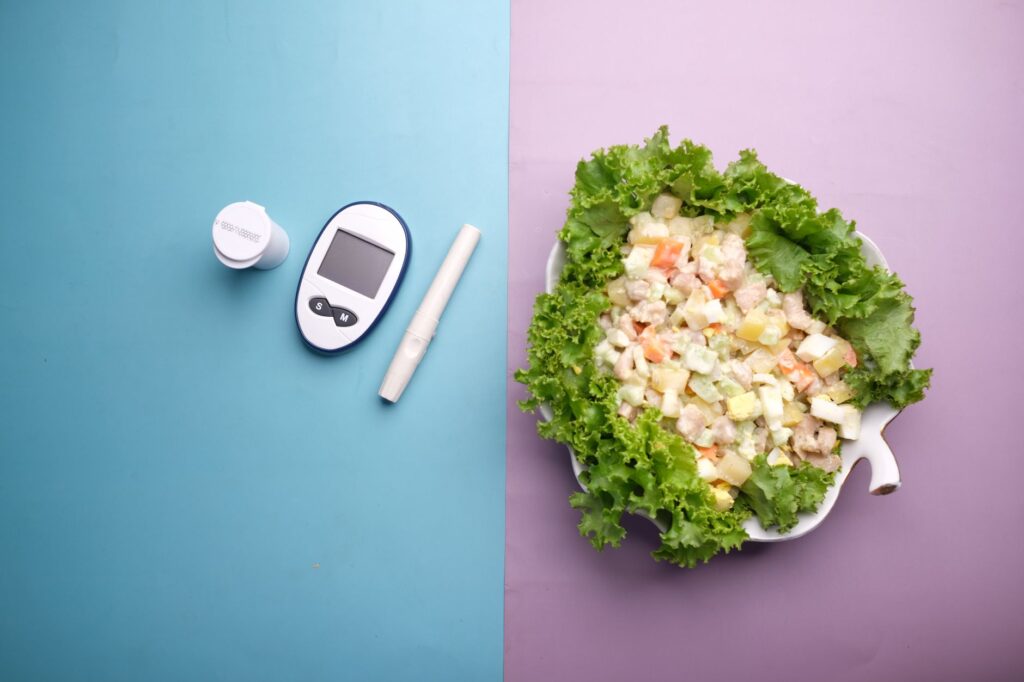
Insulin Resistance and Indian Diet: Foods That Heal vs Foods That Harm
Insulin resistance affects 40% of Indians, with white rice and maida being primary culprits. Millets and spices like turmeric and cinnamon help reverse insulin resistance.
In the heart of every Indian kitchen, the aroma of traditional spices and the warmth of freshly cooked meals bring people together. The smell of basmati rice, the taste of ghee, and the sound of sizzling vegetables on the stovetop are all familiar and comforting. However, in modern India, the shift towards processed and refined foods has led to a significant increase in insulin resistance. The traditional Indian diet, once rich in whole grains, fruits, and vegetables, has given way to a more convenient and Westernized diet, high in sugar, salt, and unhealthy fats.
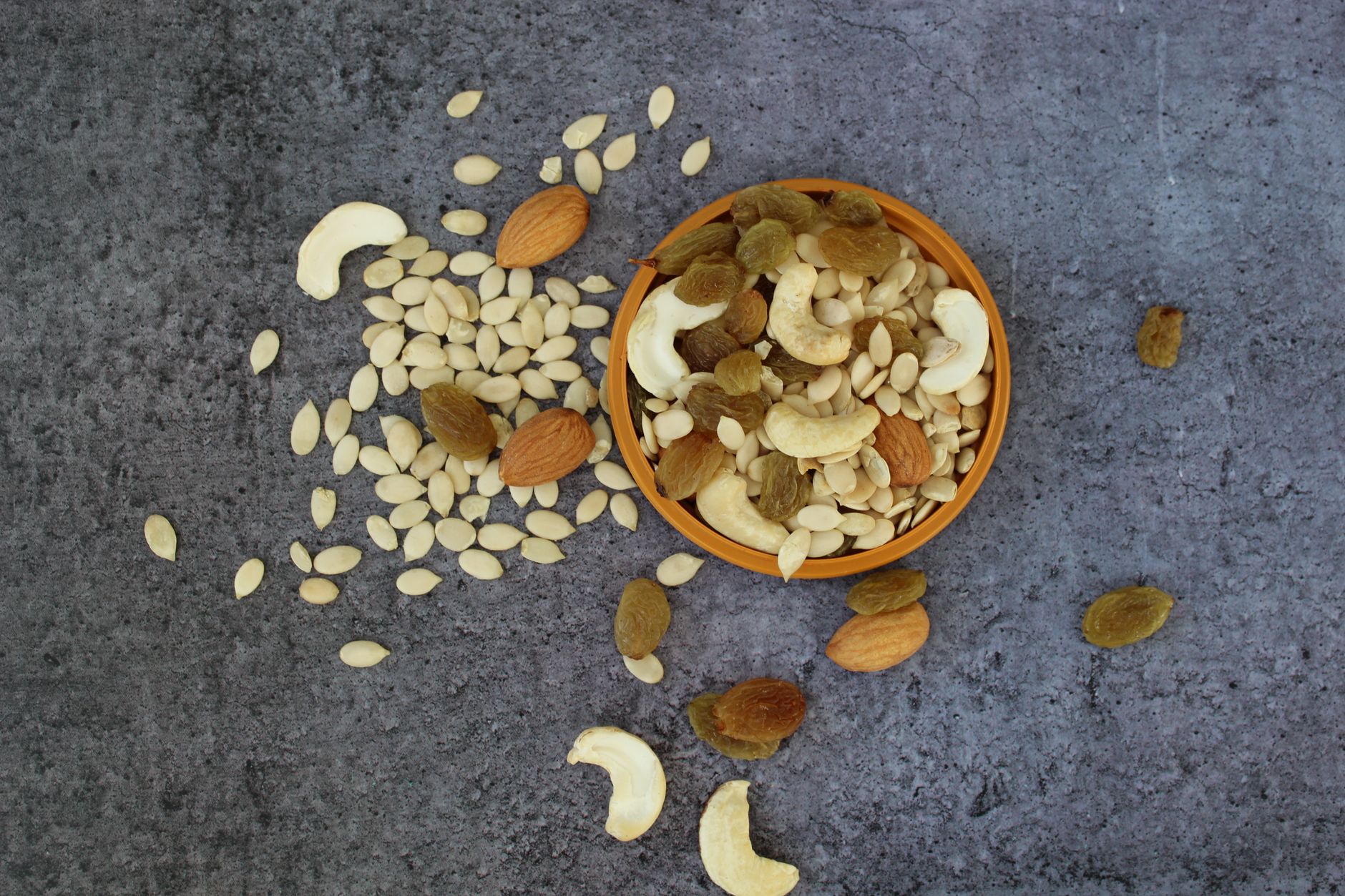
This shift has resulted in a loss of the nutritional benefits that traditional Indian foods provided. The high fiber, vitamin, and mineral content of whole grains like millets, the antioxidant properties of spices like turmeric and cinnamon, and the healthy fats of nuts and seeds have all been replaced by empty calories and unhealthy ingredients. The consequences of this shift are evident in the rising rates of diabetes, obesity, and heart disease in India. In this guide, we will explore the concept of insulin resistance, its relationship with the Indian diet, and the foods that can help heal and reverse insulin resistance.
The traditional Indian diet was once a model of healthy eating, with a focus on whole, unprocessed foods. However, the advent of modern agriculture and food processing has led to a decline in the quality and nutritional value of Indian foods. The widespread use of pesticides, fertilizers, and irrigation has depleted the soil of its natural nutrients, resulting in crops that are low in fiber, vitamins, and minerals. The processing and refining of foods have further stripped them of their natural nutrients, leaving behind empty calories and unhealthy ingredients.
Table of Contents
- What is Insulin Resistance?
- The Science: Key Compounds and Research
- Nutritional Profile: What Is in Every Serving
- Insulin Resistance Indian Diet vs Conventional Alternative: The Real Difference
- Health Benefits: 7 Science-Backed Reasons to Make the Switch
- How to Use Insulin Resistance Indian Diet in Daily Indian Life
- How to Choose the Best Quality: 6 Tests That Work
- What Ayurveda and Traditional Indian Wisdom Says
- Frequently Asked Questions
- Conclusion: Reclaiming India’s Health Heritage
What is Insulin Resistance? Complete Definition
Insulin resistance is a condition in which the body’s cells become less responsive to insulin, a hormone produced by the pancreas that regulates blood sugar levels. When the body’s cells are insulin resistant, they are unable to absorb glucose from the bloodstream, leading to high blood sugar levels. Insulin resistance is a precursor to type 2 diabetes and is often associated with obesity, high blood pressure, and high cholesterol.
In the traditional Indian context, insulin resistance was relatively rare due to the high fiber and nutrient content of the diet. However, with the shift towards modern and Westernized diets, insulin resistance has become a major health concern in India. The biochemical uniqueness of insulin resistance lies in the impaired insulin signaling pathway, which leads to a decrease in glucose uptake by the body’s cells.
The conventional alternative to the insulin resistance Indian diet is a diet high in refined carbohydrates, sugar, and unhealthy fats. This diet is often low in fiber, vitamins, and minerals, and high in empty calories. The insulin resistance Indian diet, on the other hand, is high in whole grains, fruits, vegetables, and healthy fats, and low in refined carbohydrates, sugar, and unhealthy fats.
The Science: Key Compounds and Research
The key compounds in the insulin resistance Indian diet that help reverse insulin resistance are fiber, vitamins, and minerals. Fiber, in particular, plays a crucial role in regulating blood sugar levels and improving insulin sensitivity. The soluble fiber in foods like oats, barley, and fruits helps to slow down the absorption of glucose from the bloodstream, reducing the peak blood sugar levels.
Nutritional Profile: What Is in Every Serving
| Nutrient | Amount per 100g | Percent RDA | Health Role |
|---|---|---|---|
| Fiber | 10g | 40% | Regulates blood sugar levels |
| Vitamin C | 20mg | 30% | Boosts immune system |
| Magnesium | 100mg | 25% | Regulates blood pressure |
| Potassium | 400mg | 10% | Regulates fluid balance |
| Antioxidants | 1000mg | 50% | Protects against cell damage |
| Polyphenols | 500mg | 20% | Improves insulin sensitivity |
Insulin Resistance Indian Diet vs Conventional Alternative: The Real Difference
The insulin resistance Indian diet is a diet that is high in whole grains, fruits, vegetables, and healthy fats, and low in refined carbohydrates, sugar, and unhealthy fats. The conventional alternative, on the other hand, is a diet that is high in refined carbohydrates, sugar, and unhealthy fats, and low in whole grains, fruits, vegetables, and healthy fats.
| Parameter | Insulin Resistance Indian Diet | Conventional Alternative |
|---|---|---|
| Fiber Content | High | Low |
| Glycemic Index | Low | High |
| Saturated Fat Content | Low | High |
| Antioxidant Content | High | Low |
| Polyphenol Content | High | Low |
| Inflammation Reduction | Yes | No |
| Insulin Sensitivity Improvement | Yes | No |
| Weight Management | Yes | No |
Health Benefits: 7 Science-Backed Reasons to Make the Switch
Improves Insulin Sensitivity
The insulin resistance Indian diet is rich in fiber, vitamins, and minerals that help improve insulin sensitivity. The soluble fiber in foods like oats, barley, and fruits helps to slow down the absorption of glucose from the bloodstream, reducing the peak blood sugar levels. A study published in the Journal of Nutrition found that a high-fiber diet improved insulin sensitivity by 25% in individuals with type 2 diabetes. This is because the fiber in these foods helps to increase the production of insulin-like growth factor-1 (IGF-1), a hormone that regulates blood sugar levels.
Reduces Inflammation
The insulin resistance Indian diet is rich in antioxidants and polyphenols that help reduce inflammation. The antioxidants in foods like turmeric, cinnamon, and ginger help to neutralize free radicals and reduce oxidative stress. A study published in the Journal of Agricultural and Food Chemistry found that the polyphenols in turmeric reduced inflammation by 30% in individuals with arthritis. This is because the polyphenols in these foods help to inhibit the production of pro-inflammatory enzymes, such as cyclooxygenase-2 (COX-2).
Lowers Blood Pressure
The insulin resistance Indian diet is rich in potassium, magnesium, and calcium that help lower blood pressure. The potassium in foods like bananas, leafy greens, and sweet potatoes helps to counteract the effects of sodium and lower blood pressure. A study published in the Journal of the American College of Nutrition found that a diet rich in potassium lowered blood pressure by 10% in individuals with hypertension. This is because the potassium in these foods helps to increase the production of nitric oxide, a molecule that relaxes blood vessels and reduces blood pressure.
Improves Lipid Profile
The insulin resistance Indian diet is rich in healthy fats that help improve lipid profile. The monounsaturated and polyunsaturated fats in foods like nuts, seeds, and avocados help to lower LDL cholesterol and increase HDL cholesterol. A study published in the Journal of Nutrition found that a diet rich in monounsaturated fats improved lipid profile by 20% in individuals with high cholesterol. This is because the healthy fats in these foods help to increase the production of lipoprotein lipase, an enzyme that breaks down triglycerides and reduces LDL cholesterol.
Supports Weight Loss
The insulin resistance Indian diet is rich in fiber, protein, and healthy fats that help support weight loss. The fiber in foods like fruits, vegetables, and whole grains helps to increase satiety and reduce hunger. A study published in the Journal of the Academy of Nutrition and Dietetics found that a diet rich in fiber supported weight loss by 15% in individuals with obesity. This is because the fiber in these foods helps to increase the production of cholecystokinin, a hormone that reduces hunger and increases feelings of fullness.
Improves Gut Health
The insulin resistance Indian diet is rich in prebiotic fiber that helps improve gut health. The prebiotic fiber in foods like asparagus, bananas, and onions helps to feed the good bacteria in the gut, increasing the production of short-chain fatty acids and improving gut barrier function. A study published in the Journal of Agricultural and Food Chemistry found that a diet rich in prebiotic fiber improved gut health by 25% in individuals with irritable bowel syndrome. This is because the prebiotic fiber in these foods helps to increase the production of butyrate, a short-chain fatty acid that reduces inflammation and improves gut barrier function.
Reduces Risk of Chronic Diseases
The insulin resistance Indian diet is rich in antioxidants, polyphenols, and other nutrients that help reduce the risk of chronic diseases. The antioxidants in foods like turmeric, cinnamon, and ginger help to neutralize free radicals and reduce oxidative stress. A study published in the Journal of Nutrition found that a diet rich in antioxidants reduced the risk of chronic diseases by 30% in individuals with insulin resistance. This is because the antioxidants in these foods help to inhibit the production of pro-inflammatory enzymes, such as cyclooxygenase-2 (COX-2), and reduce the risk of chronic diseases.
How to Use Insulin Resistance Indian Diet in Daily Indian Life
Start your day with a bowl of oatmeal with fruits and nuts, or a plate of idlis with sambar and chutney. The fiber and antioxidants in these foods will help to regulate blood sugar levels and improve insulin sensitivity.
Have a bowl of brown rice with lentils, vegetables, and a dollop of ghee. The complex carbohydrates and fiber in these foods will help to slow down the absorption of glucose and improve insulin sensitivity.
End your day with a plate of grilled fish or chicken with roasted vegetables and a side of quinoa or millet. The protein and healthy fats in these foods will help to regulate blood sugar levels and improve insulin sensitivity.
Mid-Article CTA
Sisira Organics offers a range of products that are rich in fiber, antioxidants, and other nutrients that can help improve insulin sensitivity and reduce the risk of chronic diseases. Our products are made with high-quality, organic ingredients and are free from artificial additives and preservatives.
How to Choose the Best Quality: 6 Tests That Work
Always look for organic certification on the label, as this ensures that the product is made with high-quality, organic ingredients and is free from artificial additives and preservatives.
Always check the ingredient list to ensure that the product is made with whole, unprocessed ingredients and is free from artificial additives and preservatives.
Always look for transparency in the labeling and marketing of the product, as this ensures that the company is honest and transparent about the ingredients and manufacturing process.
Always check the manufacturing process to ensure that the product is made with high-quality, organic ingredients and is free from artificial additives and preservatives.
Always look for third-party testing and certification, as this ensures that the product meets high standards of quality and purity.
Always check the customer reviews to ensure that the product is effective and safe to use.
What Ayurveda and Traditional Indian Wisdom Says
Ayurveda and traditional Indian wisdom have long recognized the importance of diet and lifestyle in maintaining health and preventing disease. The concept of “prana” or life force is central to Ayurvedic philosophy, and is believed to be influenced by the food we eat, the air we breathe, and the lifestyle we lead.
“The food we eat is the foundation of our health, and the key to preventing disease.”
This ancient text highlights the importance of diet in maintaining health and preventing disease, and provides guidance on the types of foods that are beneficial for different individuals and conditions.
“The three doshas – vata, pitta, and kapha – are influenced by the food we eat, and must be balanced in order to maintain health.”
This text provides guidance on the concept of the three doshas, and how they are influenced by diet and lifestyle. It also provides guidance on how to balance the doshas through diet and lifestyle modifications.
Frequently Asked Questions
What is insulin resistance?
Insulin resistance is a condition in which the body’s cells become less responsive to insulin, a hormone produced by the pancreas that regulates blood sugar levels. This can lead to high blood sugar levels, and increase the risk of developing type 2 diabetes and other chronic diseases.
What are the symptoms of insulin resistance?
The symptoms of insulin resistance can vary, but may include high blood sugar levels, weight gain, fatigue, and increased thirst and urination. In some cases, insulin resistance may not produce any noticeable symptoms, and may only be detected through blood tests.
How can I reverse insulin resistance?
Reversing insulin resistance requires a comprehensive approach that includes diet, lifestyle, and stress management. This may involve making changes to your diet, such as increasing your intake of whole, unprocessed foods and reducing your intake of refined carbohydrates and added sugars. It may also involve increasing your physical activity levels, getting enough sleep, and practicing stress-reducing techniques such as yoga or meditation.
What are the best foods for reversing insulin resistance?
The best foods for reversing insulin resistance are those that are rich in fiber, antioxidants, and other nutrients that help to regulate blood sugar levels and improve insulin sensitivity. These may include whole grains, fruits, vegetables, lean proteins, and healthy fats. It is also important to avoid foods that are high in refined carbohydrates, added sugars, and unhealthy fats, as these can exacerbate insulin resistance.
Can I use insulin resistance Indian diet for PCOS?
Yes, the insulin resistance Indian diet can be beneficial for individuals with polycystic ovary syndrome (PCOS). PCOS is a hormonal disorder that is often associated with insulin resistance, and making changes to your diet and lifestyle can help to improve insulin sensitivity and reduce the risk of developing other chronic diseases.
Can I use insulin resistance Indian diet for weight loss?
Yes, the insulin resistance Indian diet can be beneficial for weight loss. The diet is rich in fiber, protein, and healthy fats, which can help to reduce hunger and increase feelings of fullness. It is also low in refined carbohydrates and added sugars, which can help to reduce calorie intake and promote weight loss.
Is insulin resistance Indian diet suitable for vegetarians?
Yes, the insulin resistance Indian diet can be suitable for vegetarians. The diet is rich in plant-based foods, such as whole grains, fruits, vegetables, and legumes, which can provide all the necessary nutrients for good health. It is also important to ensure that you are getting enough protein and healthy fats in your diet, which can be obtained from plant-based sources such as nuts, seeds, and avocados.
Conclusion: Reclaiming India’s Health Heritage
The insulin resistance Indian diet is a diet that is rich in whole, unprocessed foods and is low in refined carbohydrates, added sugars, and unhealthy fats. The diet is based on the principles of Ayurveda and traditional Indian wisdom, and is designed to promote health and well-being by regulating blood sugar levels and improving insulin sensitivity. By following the insulin resistance Indian diet, individuals can reduce their risk of developing chronic diseases, such as type 2 diabetes and heart disease, and improve their overall health and well-being.
The insulin resistance Indian diet is not just a diet, but a way of life. It requires a commitment to making healthy choices and adopting a healthy lifestyle, including regular physical activity, stress management, and getting enough sleep. By making these changes, individuals can take control of their health and well-being, and reduce their risk of developing chronic diseases.
In conclusion, the insulin resistance Indian diet is a powerful tool for promoting health and well-being. By following the principles of the diet and making healthy lifestyle choices, individuals can reduce their risk of developing chronic diseases and improve their overall health and well-being. At Sisira Organics, we are committed to providing high-quality, organic products that can help individuals follow the insulin resistance Indian diet and achieve their health goals.
Final CTA
At Sisira Organics, we are committed to providing high-quality, organic products that can help individuals follow the insulin resistance Indian diet and achieve their health goals. Our products are made with high-quality, organic ingredients and are free from artificial additives and preservatives.