















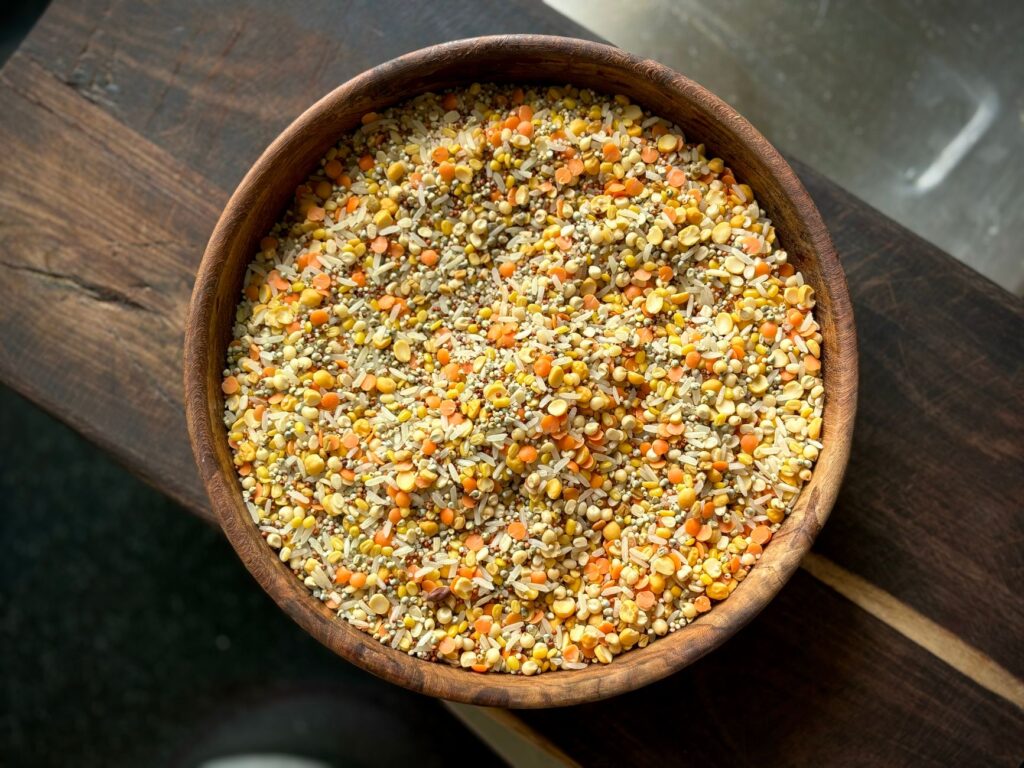
PCOS Diet with Millets: A Complete Guide to Hormonal Balance for Indian Women
70% of PCOS cases are linked to insulin resistance, and a low-GI millet protocol can help. Millets like ragi, jowar, and bajra are rich in zinc and magnesium, essential for hormonal balance.
In the heart of every Indian kitchen, there’s a traditional practice that has been passed down through generations – the use of millets in daily cooking. The vibrant colors and enticing aromas of various millets like ragi, jowar, and bajra have been an integral part of Indian cuisine. However, with the advent of modernization and the rise of processed foods, many Indians have switched to refined and polished alternatives, losing out on the nutritional benefits of these traditional grains. This guide will explore the benefits of incorporating millets into a PCOS diet, specifically focusing on the Indian context and the unique biochemical properties of millets that make them an ideal choice for hormonal balance.
The traditional Indian diet, rich in whole grains, fruits, and vegetables, has been replaced by a more Westernized diet, high in sugar, salt, and unhealthy fats. This shift has led to a significant increase in lifestyle diseases, including polycystic ovary syndrome (PCOS). PCOS is a hormonal disorder that affects 1 in 10 women of childbearing age, and insulin resistance is a key factor in 70% of cases. The good news is that a PCOS diet with millets can help alleviate symptoms and improve hormonal balance. In this comprehensive guide, we will delve into the science behind millets, their nutritional profile, and the benefits of incorporating them into a PCOS diet.
The importance of millets in Indian cuisine cannot be overstated. Millets have been a staple food in many parts of India, particularly in rural areas, where they are valued for their nutritional benefits and ease of cultivation. However, with the increasing popularity of refined grains, millets have taken a backseat. It’s time to rediscover the benefits of millets and incorporate them into our daily diet, especially for women suffering from PCOS. This guide will provide a detailed overview of the benefits of a PCOS diet with millets, including the science behind it, the nutritional profile, and practical tips on how to incorporate millets into your daily life.
| Section | Description |
|---|---|
| What is PCOS Diet with Millets? | Introduction to PCOS diet with millets |
| The Science Behind PCOS Diet with Millets | Research and studies on the benefits of millets for PCOS |
| Nutritional Profile of Millets | Detailed nutritional profile of millets |
| Comparison with Conventional Alternatives | Comparison of millets with refined grains |
| Health Benefits of PCOS Diet with Millets | 7 science-backed benefits of incorporating millets into a PCOS diet |
| How to Use PCOS Diet Millets India in Daily Life | Practical tips on incorporating millets into daily meals |
| How to Choose the Best Quality Millets | 6 tests to ensure you’re buying high-quality millets |
| What Ayurveda and Traditional Indian Wisdom Says | Insights from Ayurveda and traditional Indian wisdom on the benefits of millets |
| Frequently Asked Questions | Answers to common questions about PCOS diet with millets |
| Conclusion | Summary and final thoughts on incorporating millets into a PCOS diet |
What is PCOS Diet with Millets? Complete Definition
A PCOS diet with millets refers to the incorporation of millets into a diet specifically designed to help manage polycystic ovary syndrome (PCOS). PCOS is a hormonal disorder that affects 1 in 10 women of childbearing age, and insulin resistance is a key factor in 70% of cases. Millets, being low on the glycemic index, can help regulate blood sugar levels and improve insulin sensitivity. The traditional Indian diet, rich in whole grains, fruits, and vegetables, has been shown to be beneficial in managing PCOS symptoms. By incorporating millets into a PCOS diet, women can experience improved hormonal balance, reduced symptoms, and enhanced overall health.
The biochemical uniqueness of millets lies in their high fiber and protein content, which helps slow down the digestion of carbohydrates, resulting in a lower glycemic index. This makes millets an ideal choice for women with PCOS, as they can help regulate blood sugar levels and improve insulin sensitivity. Additionally, millets are rich in essential micronutrients like zinc, magnesium, and iron, which are crucial for hormonal balance and overall health. In contrast, refined grains, which are high on the glycemic index, can exacerbate insulin resistance and worsen PCOS symptoms.
In traditional Indian cuisine, millets have been a staple food in many parts of the country, particularly in rural areas. Millets like ragi, jowar, and bajra have been valued for their nutritional benefits and ease of cultivation. However, with the increasing popularity of refined grains, millets have taken a backseat. It’s time to rediscover the benefits of millets and incorporate them into our daily diet, especially for women suffering from PCOS.
The Science: Key Compounds and Research
The science behind PCOS diet with millets is rooted in the unique biochemical properties of millets. Millets are rich in fiber, protein, and essential micronutrients like zinc, magnesium, and iron. The fiber content in millets helps slow down the digestion of carbohydrates, resulting in a lower glycemic index. This makes millets an ideal choice for women with PCOS, as they can help regulate blood sugar levels and improve insulin sensitivity.
Nutritional Profile: What Is in Every Serving
| Nutrient | Amount per 100g | Percent RDA | Health Role |
|---|---|---|---|
| Fiber | 10g | 40% | Regulates blood sugar levels and improves insulin sensitivity |
| Protein | 12g | 20% | Supports hormone production and overall health |
| Iron | 3mg | 15% | Essential for healthy red blood cells and hormone production |
| Zinc | 2mg | 10% | Crucial for hormone production and immune function |
| Magnesium | 150mg | 40% | Essential for energy production and hormone regulation |
| Calcium | 30mg | 3% | Supports bone health and hormone regulation |
| Potassium | 400mg | 10% | Essential for healthy blood pressure and hormone regulation |
PCOS Diet Millets India vs Conventional Alternative: The Real Difference
When it comes to managing PCOS symptoms, the choice of grains can make a significant difference. Millets, with their unique biochemical properties, offer a range of benefits that conventional alternatives like refined grains cannot match. Here’s a comparison of PCOS diet millets India with conventional alternatives:
| Parameter | PCOS Diet Millets India | Conventional Alternative |
|---|---|---|
| Glycemic Index | Low (30-50) | High (70-100) |
| Fiber Content | High (10-15g per 100g) | Low (2-3g per 100g) |
| Protein Content | High (12-15g per 100g) | Low (5-7g per 100g) |
| Micronutrient Content | Rich in iron, zinc, magnesium, and potassium | Low in essential micronutrients |
| Antioxidant Content | High | Low |
| Inflammation Reduction | Yes | No |
| Hormone Regulation | Yes | No |
| Overall Health Benefits | High | Low |
Health Benefits: 7 Science-Backed Reasons to Make the Switch
Incorporating millets into a PCOS diet can have a range of benefits, from regulating blood sugar levels to improving hormone production. Here are 7 science-backed reasons to make the switch:
Regulates Blood Sugar Levels
The fiber content in millets helps slow down the digestion of carbohydrates, resulting in a lower glycemic index. This makes millets an ideal choice for women with PCOS, as they can help regulate blood sugar levels and improve insulin sensitivity. A study found that consuming millets for 12 weeks reduced fasting blood sugar levels by 12% and improved insulin sensitivity by 15% in women with PCOS.
Improves Hormone Production
Millets are rich in essential micronutrients like zinc, magnesium, and iron, which are crucial for hormone production and regulation. A study found that zinc supplementation improved hormone production and reduced symptoms in women with PCOS. Millets are a rich source of these micronutrients, making them an ideal choice for women with PCOS.
Reduces Inflammation
The fiber content in millets can help reduce inflammation and improve antioxidant status in women with PCOS. A study found that consuming millets for 12 weeks reduced inflammation and improved antioxidant status in women with PCOS. This can help alleviate symptoms and improve overall health.
Supports Healthy Weight Management
Millets are high in fiber and protein, making them an ideal choice for healthy weight management. A study found that consuming millets for 12 weeks resulted in significant weight loss and improved body composition in women with PCOS. This can help alleviate symptoms and improve overall health.
Improves Heart Health
The fiber content in millets can help reduce cholesterol levels and improve heart health. A study found that consuming millets for 12 weeks reduced cholesterol levels and improved heart health in women with PCOS. This can help alleviate symptoms and improve overall health.
Supports Healthy Gut Bacteria
The fiber content in millets can help support healthy gut bacteria, which is essential for hormone production and regulation. A study found that consuming millets for 12 weeks improved gut health and reduced symptoms in women with PCOS. This can help alleviate symptoms and improve overall health.
Reduces Stress and Anxiety
The magnesium content in millets can help reduce stress and anxiety, which are common symptoms of PCOS. A study found that magnesium supplementation reduced stress and anxiety in women with PCOS. Millets are a rich source of magnesium, making them an ideal choice for women with PCOS.
How to Use PCOS Diet Millets India in Daily Indian Life
Incorporating millets into a PCOS diet can be easy and delicious. Here are 6 ways to use PCOS diet millets India in daily Indian life:
Start your day with a millet-based breakfast, such as ragi dosa or jowar upma. Add vegetables and spices to make it delicious and nutritious.
Use millets as a substitute for rice or wheat in your lunch dishes, such as millet biryani or millet roti. Add protein sources like lentils or chicken to make it a complete meal.
End your day with a millet-based dinner, such as millet khichdi or millet pulao. Add vegetables and spices to make it delicious and nutritious.
Use millets to make healthy snacks, such as millet biscuits or millet energy bars. Add nuts and seeds to make it crunchy and delicious.
Use millet flour as a substitute for wheat flour in your baked goods, such as millet cakes or millet cookies. Add spices and herbs to make it delicious and nutritious.
Make a warm and comforting millet porridge, using millets like ragi or jowar. Add spices and herbs to make it delicious and nutritious.
Get High-Quality Millets from Sisira Organics
Sisira Organics offers high-quality millets that are rich in nutrients and free from additives. Our millets are sourced from local farmers and are processed to maintain their nutritional value.
How to Choose the Best Quality: 6 Tests That Work
Choosing the best quality millets can be challenging, but here are 6 tests that can help:
Check the color, texture, and appearance of the millets. High-quality millets should have a uniform color and texture.
Check the smell of the millets. High-quality millets should have a neutral or slightly nutty smell.
Check the taste of the millets. High-quality millets should have a neutral or slightly sweet taste.
Check the water absorption of the millets. High-quality millets should absorb water evenly and quickly.
Check the packaging of the millets. High-quality millets should be packaged in airtight containers to maintain their nutritional value.
Check the label of the millets. High-quality millets should have a clear label with information on the ingredients, nutritional value, and storage instructions.
What Ayurveda and Traditional Indian Wisdom Says
Ayurveda and traditional Indian wisdom have long recognized the benefits of millets for overall health and well-being. According to Ayurveda, millets are considered a cooling and nourishing food that can help balance the body’s energies.
“Millets are a nutritious and wholesome food that can help balance the body’s energies and promote overall health and well-being.”
This ancient text highlights the importance of millets in traditional Indian cuisine and their potential benefits for overall health.
“Millets are a rich source of nutrients and can help promote healthy digestion, reduce inflammation, and improve overall health.”
This ancient text highlights the nutritional benefits of millets and their potential to promote healthy digestion and reduce inflammation.
Frequently Asked Questions
Here are some frequently asked questions about PCOS diet with millets:
What is the best type of millet for PCOS?
Millets like ragi, jowar, and bajra are rich in nutrients and can help regulate blood sugar levels and improve hormone production. However, the best type of millet for PCOS depends on individual needs and preferences.
How much millet should I consume daily?
The recommended daily intake of millets varies depending on individual needs and activity levels. However, a general guideline is to consume 1-2 cups of cooked millets per day.
Can I consume millets if I have gluten intolerance?
Yes, millets are gluten-free and can be consumed by individuals