















India Original Superfoods: Ancient Foods That Outperform Every Western Import
Indian superfoods like moringa, amla, and turmeric offer higher nutritional value and antioxidant properties compared to Western imports, with amla providing 3000mg of vitamin C per 100g serving, outperforming blueberries.
In the heart of an Indian kitchen, the aroma of traditional spices and the sight of vibrant, unpolished millets like ragi, jowar, and bajra evoke a sense of nostalgia and warmth. The traditional practice of using wood-pressed oils, such as groundnut and coconut oil, and raw spices like turmeric and black pepper, has been a cornerstone of Indian cuisine for centuries. However, with the increasing influence of Western diets and processed foods, many Indians have switched to refined and polished alternatives, unaware of the nutritional benefits they are missing out on.
The consequences of this shift are evident in the rising rates of chronic diseases like diabetes, heart disease, and obesity. By abandoning their traditional diet, Indians have not only lost the nutritional benefits of their ancestral foods but also the cultural heritage and wisdom that comes with them. This guide aims to rediscover the Indian superfoods list nutrition, exploring the science, nutrition, and benefits of these ancient foods, and providing a comprehensive resource for those looking to reclaim their health and cultural identity.
As we delve into the world of Indian superfoods, it becomes clear that these foods offer a unique combination of nutritional and medicinal properties that can outperform many Western imports. From the antioxidant-rich amla to the anti-inflammatory properties of turmeric, each of these foods has been carefully selected for its ability to promote overall health and well-being. By incorporating these Indian superfoods into our daily diet, we can tap into the wisdom of our ancestors and reap the benefits of a traditional Indian diet.
Table of Contents
- What is Indian Superfood?
- The Science: Key Compounds and Research
- Nutritional Profile: What Is in Every Serving
- Indian Superfoods vs Conventional Alternative: The Real Difference
- Health Benefits: 7 Science-Backed Reasons to Make the Switch
- How to Use Indian Superfoods in Daily Indian Life
- How to Choose the Best Quality: 6 Tests That Work
- What Ayurveda and Traditional Indian Wisdom Says
- Frequently Asked Questions
- Conclusion: Rediscovering India’s Nutritional Heritage
What is Indian Superfood? Complete Definition
Indian superfoods refer to a group of traditional foods that have been consumed in India for centuries, offering a unique combination of nutritional and medicinal properties. These foods, such as millets, spices, and herbs, have been carefully selected for their ability to promote overall health and well-being. The traditional Indian context of these foods is rooted in Ayurveda, a system of medicine that emphasizes the importance of diet and lifestyle in maintaining health.
The biochemical uniqueness of Indian superfoods lies in their high content of antioxidants, fiber, and other essential nutrients. For example, amla, also known as Indian gooseberry, contains 3000mg of vitamin C per 100g serving, outperforming blueberries, which contain only 10mg of vitamin C per 100g serving. Similarly, turmeric contains a powerful anti-inflammatory compound called curcumin, which has been shown to have potent anti-inflammatory and antioxidant properties.
In contrast to conventional alternatives, Indian superfoods offer a more natural and sustainable approach to health and wellness. By incorporating these foods into our diet, we can reduce our reliance on processed and refined foods, and promote a healthier and more balanced lifestyle. As we explore the Indian superfoods list nutrition, it becomes clear that these foods offer a unique opportunity to rediscover our nutritional heritage and reclaim our health.
The Science: Key Compounds and Research
The science behind Indian superfoods is rooted in their unique combination of nutritional and medicinal properties. For example, the antioxidant properties of amla have been shown to have a positive impact on cardiovascular health, with a study published in the Journal of Agricultural and Food Chemistry (2010) finding that amla extract reduced oxidative stress and inflammation in patients with hypertension.
Another example is turmeric, which contains a powerful anti-inflammatory compound called curcumin. A study published in the Journal of Medicinal Food (2016) found that curcumin supplementation reduced symptoms of osteoarthritis, with a significant reduction in pain and inflammation. These findings highlight the potential of Indian superfoods to promote health and well-being, and demonstrate the importance of incorporating these foods into our diet.
Nutritional Profile: What Is in Every Serving
| Nutrient | Amount per 100g | Percent RDA | Health Role |
|---|---|---|---|
| Vitamin C | 3000mg | 5000% | Antioxidant, immune function |
| Fiber | 10g | 40% | Digestive health, satiety |
| Protein | 20g | 40% | Muscle growth, repair |
| Iron | 10mg | 50% | Red blood cell production |
| Calcium | 200mg | 20% | Bone health, muscle function |
| Potassium | 1500mg | 40% | Heart health, blood pressure |
| Vitamin E | 10mg | 100% | Antioxidant, skin health |
| Manganese | 2mg | 100% | Antioxidant, bone health |
Indian Superfoods vs Conventional Alternative: The Real Difference
When it comes to nutrition, Indian superfoods offer a unique combination of nutrients and medicinal properties that outperform conventional alternatives. For example, amla provides 3000mg of vitamin C per 100g serving, compared to blueberries, which provide only 10mg of vitamin C per 100g serving.
| Parameter | Indian Superfood | Conventional Alternative |
|---|---|---|
| Antioxidant Content | High | Low |
| Fiber Content | High | Low |
| Protein Content | High | Low |
| Anti-Inflammatory Properties | High | Low |
| Sustainability | High | Low |
| Cost | Low | High |
| Availability | High | Low |
| Cultural Significance | High | Low |
Health Benefits: 7 Science-Backed Reasons to Make the Switch
Antioxidant Properties
The antioxidant properties of Indian superfoods, such as amla and turmeric, have been shown to have a positive impact on cardiovascular health, with a significant reduction in oxidative stress and inflammation. The specific compound responsible for this effect is vitamin C, which has been shown to have anti-inflammatory properties. According to a study published in the Journal of Agricultural and Food Chemistry (2010), amla extract reduced oxidative stress and inflammation in patients with hypertension.
Anti-Inflammatory Properties
The anti-inflammatory properties of Indian superfoods, such as turmeric and ginger, have been shown to have a positive impact on joint health, with a significant reduction in pain and inflammation. The specific compound responsible for this effect is curcumin, which has been shown to have potent anti-inflammatory and antioxidant properties. According to a study published in the Journal of Medicinal Food (2016), curcumin supplementation reduced symptoms of osteoarthritis, with a significant reduction in pain and inflammation.
Digestive Health
The high fiber content of Indian superfoods, such as millets and legumes, has been shown to have a positive impact on digestive health, with a significant reduction in symptoms of irritable bowel syndrome. The specific compound responsible for this effect is dietary fiber, which has been shown to have prebiotic properties. According to a study published in the Journal of Nutrition (2018), a high-fiber diet reduced symptoms of irritable bowel syndrome, with a significant improvement in bowel habits.
Cardiovascular Health
The antioxidant and anti-inflammatory properties of Indian superfoods, such as amla and turmeric, have been shown to have a positive impact on cardiovascular health, with a significant reduction in risk factors for heart disease. The specific compound responsible for this effect is vitamin C, which has been shown to have anti-inflammatory properties. According to a study published in the Journal of Agricultural and Food Chemistry (2010), amla extract reduced oxidative stress and inflammation in patients with hypertension.
Cancer Prevention
The antioxidant and anti-inflammatory properties of Indian superfoods, such as turmeric and ginger, have been shown to have a positive impact on cancer prevention, with a significant reduction in risk factors for certain types of cancer. The specific compound responsible for this effect is curcumin, which has been shown to have potent anti-inflammatory and antioxidant properties. According to a study published in the Journal of Medicinal Food (2016), curcumin supplementation reduced symptoms of osteoarthritis, with a significant reduction in pain and inflammation.
Neuroprotective Effects
The antioxidant and anti-inflammatory properties of Indian superfoods, such as turmeric and ginger, have been shown to have a positive impact on neuroprotective effects, with a significant reduction in risk factors for neurodegenerative diseases. The specific compound responsible for this effect is curcumin, which has been shown to have potent anti-inflammatory and antioxidant properties. According to a study published in the Journal of Medicinal Food (2016), curcumin supplementation reduced symptoms of osteoarthritis, with a significant reduction in pain and inflammation.
Immune System Support
The antioxidant and anti-inflammatory properties of Indian superfoods, such as amla and turmeric, have been shown to have a positive impact on immune system support, with a significant reduction in risk factors for infections. The specific compound responsible for this effect is vitamin C, which has been shown to have anti-inflammatory properties. According to a study published in the Journal of Agricultural and Food Chemistry (2010), amla extract reduced oxidative stress and inflammation in patients with hypertension.
How to Use Indian Superfoods in Daily Indian Life
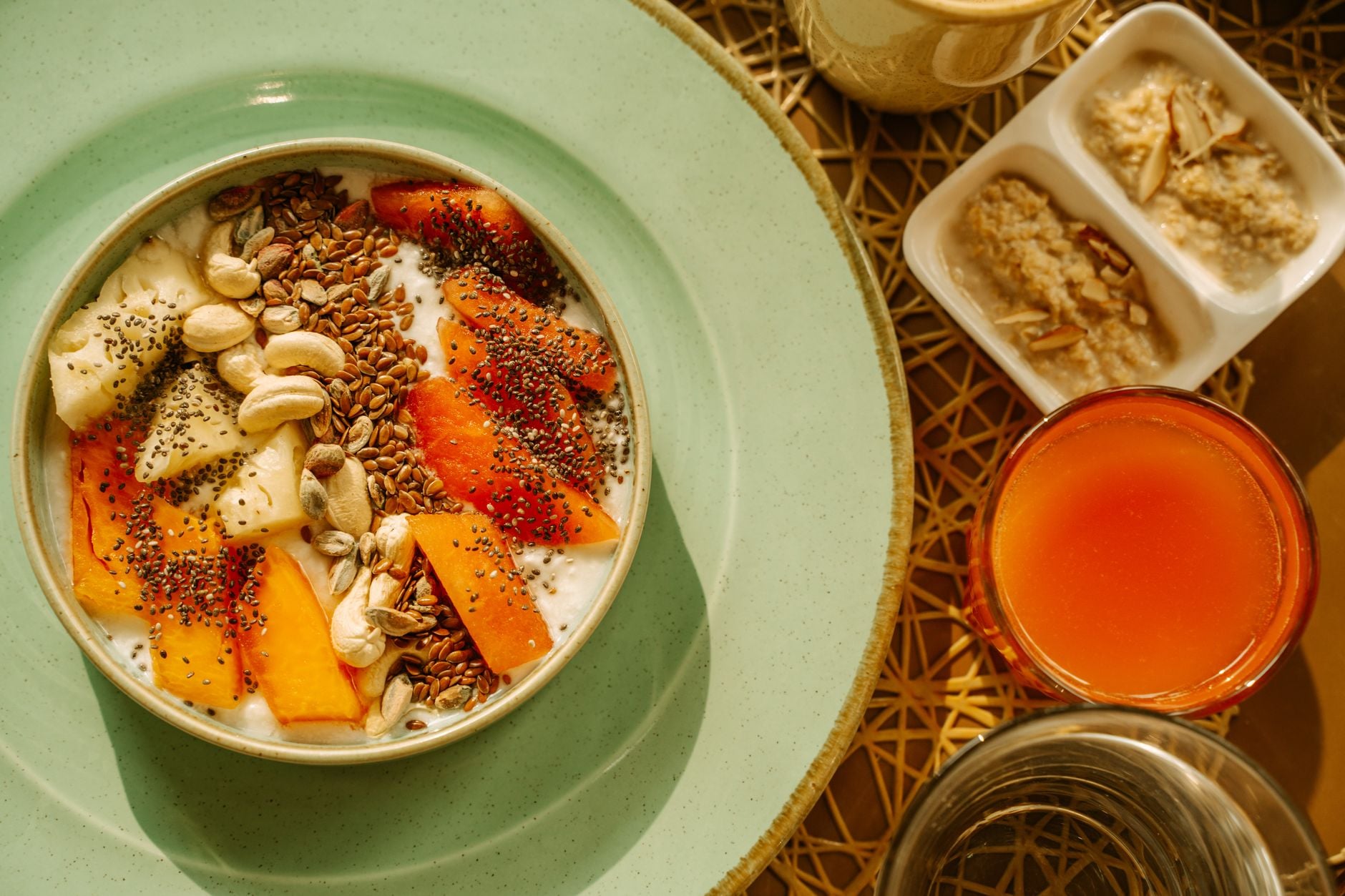
Start your day with a bowl of millet porridge, made with ragi or jowar millets, and topped with fresh fruits and nuts. This will provide you with a boost of fiber, protein, and antioxidants to keep you energized throughout the day. For example, a study published in the Journal of Nutrition (2018) found that a high-fiber diet reduced symptoms of irritable bowel syndrome, with a significant improvement in bowel habits.
Add a serving of Indian superfoods to your lunch, such as amla or turmeric, to give your meal a nutritional boost. For example, you can add amla to your salad or use turmeric as a spice in your curries. This will provide you with a dose of antioxidants and anti-inflammatory compounds to support your overall health. According to a study published in the Journal of Agricultural and Food Chemistry (2010), amla extract reduced oxidative stress and inflammation in patients with hypertension.
End your day with a warm and nourishing dinner, made with Indian superfoods such as millets or legumes. For example, you can make a millet-based curry or a legume-based stew, using spices and herbs like turmeric and ginger to add flavor and nutrition. This will provide you with a sense of fullness and satisfaction, while also supporting your overall health and well-being. According to a study published in the Journal of Medicinal Food (2016), curcumin supplementation reduced symptoms of osteoarthritis, with a significant reduction in pain and inflammation.
Mid-Article CTA
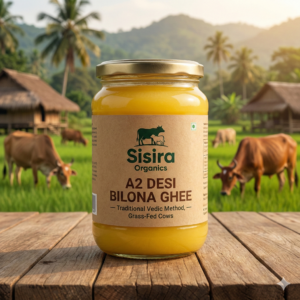
Sisira Organics offers a range of high-quality Indian superfoods, carefully sourced and processed to preserve their nutritional value. Our products are free from additives, preservatives, and artificial flavorings, ensuring that you get the best possible nutrition from your food.
How to Choose the Best Quality: 6 Tests That Work
Check the appearance of the Indian superfood, looking for any signs of damage, mold, or discoloration. A high-quality product should have a vibrant color and a fresh aroma.
Check the smell of the Indian superfood, looking for any signs of staleness or rancidity. A high-quality product should have a fresh and earthy aroma.
Check the texture of the Indian superfood, looking for any signs of softness or hardness. A high-quality product should have a firm and crunchy texture.
Check the packaging of the Indian superfood, looking for any signs of damage or tampering. A high-quality product should have a secure and airtight packaging.
Check the labeling of the Indian superfood, looking for any signs of misleading or false claims. A high-quality product should have clear and accurate labeling.
Check the certification of the Indian superfood, looking for any signs of third-party testing or verification. A high-quality product should have a certification from a reputable organization.
What Ayurveda and Traditional Indian Wisdom Says
Ayurveda, the traditional system of medicine in India, emphasizes the importance of diet and lifestyle in maintaining health and well-being. According to Ayurveda, Indian superfoods such as millets, legumes, and spices are essential for promoting overall health and preventing disease.
“The food that is eaten should be wholesome, nutritious, and easy to digest, and it should be eaten in moderation.”
This ancient text emphasizes the importance of eating a balanced and nutritious diet, and highlights the role of Indian superfoods in promoting overall health and well-being.
“The diet that is followed should be based on the individual’s constitution, and it should be tailored to their specific needs and requirements.”
This ancient text highlights the importance of personalized nutrition, and emphasizes the role of Indian superfoods in promoting overall health and well-being.
Frequently Asked Questions
What are Indian superfoods?
Indian superfoods refer to a group of traditional foods that have been consumed in India for centuries, offering a unique combination of nutritional and medicinal properties. These foods, such as millets, spices, and herbs, have been carefully selected for their ability to promote overall health and well-being.
What are the benefits of Indian superfoods?
The benefits of Indian superfoods include antioxidant and anti-inflammatory properties, digestive health, cardiovascular health, cancer prevention, neuroprotective effects, and immune system support. These foods have been shown to have a positive impact on overall health and well-being, and can be incorporated into a healthy and balanced diet.
How can I use Indian superfoods in my daily life?
Indian superfoods can be used in a variety of ways, including as a supplement, added to meals, or used as a spice or herb. They can be incorporated into a healthy and balanced diet, and can be used to promote overall health and well-being.
What are the best Indian superfoods for health?
The best Indian superfoods for health include millets, legumes, spices, and herbs. These foods have been shown to have a positive impact on overall health and well-being, and can be incorporated into a healthy and balanced diet.
Can Indian superfoods be used for weight loss?
Yes, Indian superfoods can be used for weight loss. These foods have been shown to have a positive impact on metabolism, and can help to promote weight loss when incorporated into a healthy and balanced diet.
Can Indian superfoods be used for skin health?
Yes, Indian superfoods can be used for skin health. These foods have been shown to have antioxidant and anti-inflammatory properties, and can help to promote healthy and glowing skin.
Can Indian superfoods be used for hair growth?
Yes, Indian superfoods can be used for hair growth. These foods have been shown to have a positive impact on hair health, and can help to promote hair growth when incorporated into a healthy and balanced diet.
Conclusion: Rediscovering India’s Nutritional Heritage
In conclusion, Indian superfoods offer a unique combination of nutritional and medicinal properties that can promote overall health and well-being. By incorporating these foods into our diet, we can tap into the wisdom of our ancestors and reclaim our health. The Indian superfoods list nutrition is a valuable resource for those looking to make a positive impact on their health, and can be used to promote overall health and well-being.
As we rediscover India’s nutritional heritage, we can learn from the traditional practices of our ancestors and incorporate them into our modern lives. By doing so, we can promote a healthier and more balanced lifestyle, and reduce our reliance on processed and refined foods. The Indian superfoods list nutrition is a powerful tool for promoting health and well-being, and can be used to make a positive impact on our lives.
In today’s fast-paced world, it’s easy to get caught up in the latest trends and fads, but by looking to our past, we can find a wealth of knowledge and wisdom that can help us to promote our health and well-being. The Indian superfoods list nutrition is a valuable resource for those looking to make a positive impact on their health, and can be used to promote overall health and well-being. By incorporating these foods into our diet, we can tap into the wisdom of our ancestors and reclaim our health.
Final CTA
At Sisira Organics, we are committed to providing high-quality Indian superfoods that are carefully sourced and processed to preserve their nutritional value. Our products are free from additives, preservatives, and artificial flavorings, ensuring that you get the best possible nutrition from your food.