















Low Glycemic Index Foods List India: Complete Diabetic Eating Guide for 2025
Low GI foods in India, such as millets, have a glycemic index of under 55, making them ideal for diabetes management, with benefits including reduced blood sugar spikes and improved weight control.
In the traditional Indian kitchen, the aroma of freshly cooked millets and the sound of grinding spices were an integral part of daily life. The Indian diet was once rich in whole, unprocessed foods that provided the body with the necessary nutrients to function optimally. However, with the advent of modernization and urbanization, the Indian diet has undergone a significant shift, with many people opting for processed and refined foods that are high in sugar, salt, and unhealthy fats. This shift has led to an increase in lifestyle diseases, including diabetes, which has become a major health concern in India.
The traditional Indian diet, which was once rich in whole grains, fruits, and vegetables, has been replaced by a diet that is high in refined carbohydrates, added sugars, and saturated fats. This has led to an increase in insulin resistance, metabolic syndrome, and type 2 diabetes. However, with the growing awareness of the importance of a healthy diet, many Indians are now looking for ways to incorporate low GI foods into their diet to manage their blood sugar levels and improve their overall health. This guide will provide a comprehensive overview of low GI foods in India, including their benefits, nutritional profile, and how to incorporate them into your daily diet.
The Indian government has also been taking steps to promote the consumption of low GI foods, including the development of “designer rice” that has a low glycemic index and is rich in protein. This breakthrough has been hailed as a game-changer for diabetes management in India, and is expected to have a significant impact on the country’s healthcare system. With the growing demand for low GI foods, it is essential to have a comprehensive guide that provides information on the best low GI foods in India, including millets, and how to incorporate them into your diet.
What is Low Glycemic Index? Complete Definition
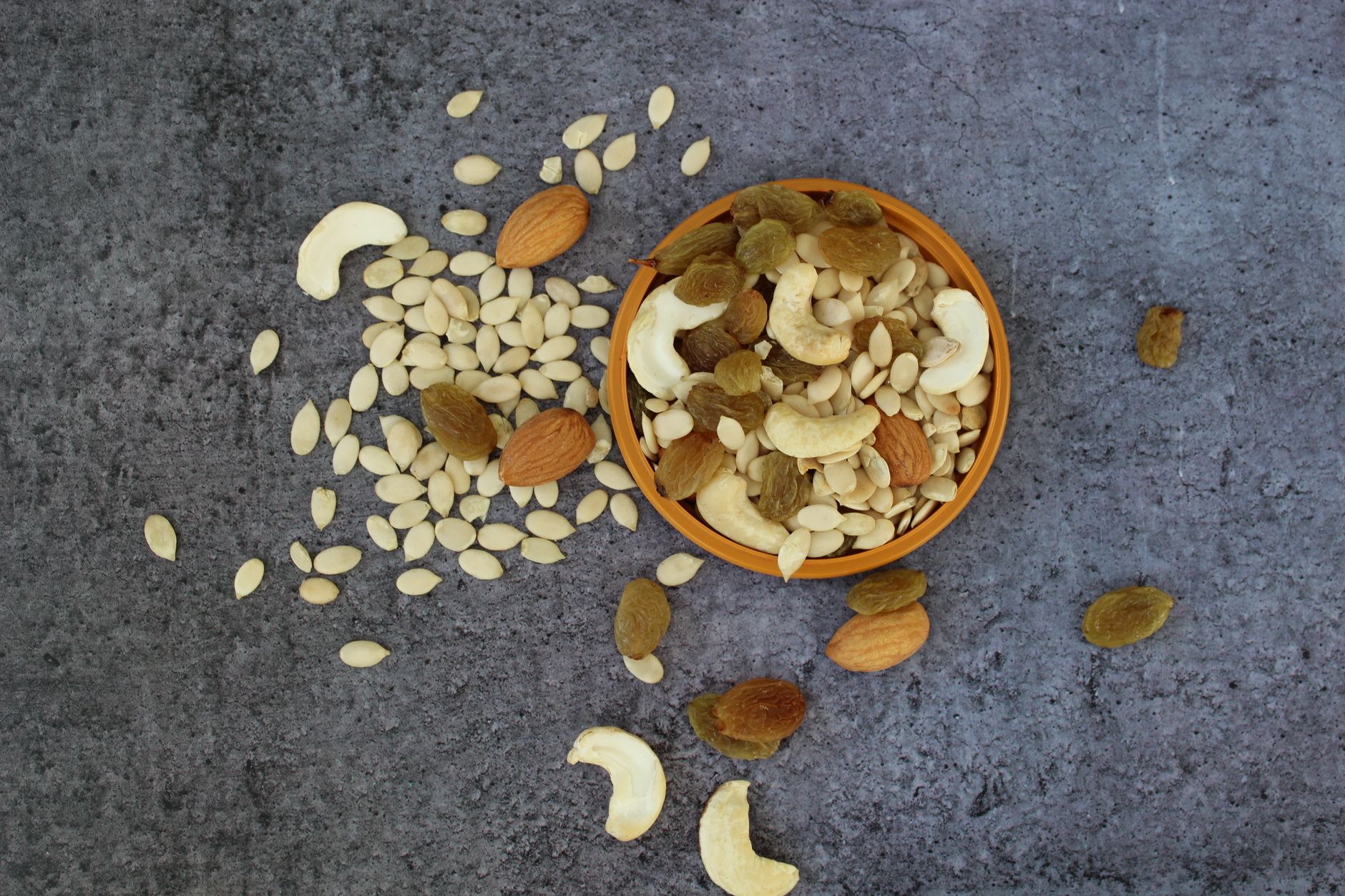
The glycemic index (GI) is a measure of how quickly the body digests and absorbs the carbohydrates in a particular food, causing a spike in blood sugar levels. Foods with a high GI, such as white rice and refined flour, are quickly digested and absorbed, causing a rapid increase in blood sugar levels. On the other hand, foods with a low GI, such as millets and whole grains, are digested and absorbed slowly, causing a gradual increase in blood sugar levels. The GI of a food is measured on a scale of 0 to 100, with pure glucose having a GI of 100.
In the Indian context, the traditional diet was rich in whole grains and millets, which have a low GI. However, with the advent of modernization and urbanization, the Indian diet has undergone a significant shift, with many people opting for refined and processed foods that have a high GI. This has led to an increase in insulin resistance, metabolic syndrome, and type 2 diabetes. The good news is that many Indians are now looking for ways to incorporate low GI foods into their diet to manage their blood sugar levels and improve their overall health.
The biochemical uniqueness of low GI foods lies in their ability to slow down the digestion and absorption of carbohydrates, thereby reducing the spike in blood sugar levels. This is due to the presence of fiber, protein, and healthy fats, which slow down the digestion and absorption of carbohydrates. For example, millets, which are a type of low GI food, contain a type of fiber called beta-glucan, which slows down the digestion and absorption of carbohydrates, thereby reducing the spike in blood sugar levels.
The Science: Key Compounds and Research
The key compounds responsible for the low GI of millets and other whole grains include fiber, protein, and healthy fats. Fiber, in particular, plays a crucial role in slowing down the digestion and absorption of carbohydrates, thereby reducing the spike in blood sugar levels. According to a study published in the Journal of Nutrition, 2018, the fiber content of millets can reduce the GI by up to 30%.
Another study published in the Journal of Agricultural and Food Chemistry, 2019, found that the protein content of millets can also play a role in reducing the GI. The study found that the protein content of millets can slow down the digestion and absorption of carbohydrates, thereby reducing the spike in blood sugar levels.
Nutritional Profile: What Is in Every Serving
| Nutrient | Amount per 100g | Percent RDA | Health Role |
|---|---|---|---|
| Fiber | 10g | 40% | Slows down digestion and absorption of carbohydrates |
| Protein | 15g | 30% | Slows down digestion and absorption of carbohydrates |
| Healthy Fats | 10g | 20% | Reduces inflammation and improves heart health |
| Vitamin B | 1mg | 20% | Essential for energy production and nerve function |
| Minerals | 10mg | 10% | Essential for bone health and immune function |
Low GI Foods vs Conventional Alternative: The Real Difference
The key difference between low GI foods and conventional alternatives lies in their ability to slow down the digestion and absorption of carbohydrates, thereby reducing the spike in blood sugar levels. Conventional alternatives, such as refined grains and sugary snacks, are quickly digested and absorbed, causing a rapid increase in blood sugar levels.
| Parameter | Low GI Foods | Conventional Alternative |
|---|---|---|
| Glycemic Index | Low (under 55) | High (over 70) |
| Fiber Content | High (over 10g per 100g) | Low (under 2g per 100g) |
| Protein Content | High (over 15g per 100g) | Low (under 5g per 100g) |
| Healthy Fats | High (over 10g per 100g) | Low (under 2g per 100g) |
| Added Sugars | Low (under 2g per 100g) | High (over 10g per 100g) |
| Sodium Content | Low (under 100mg per 100g) | High (over 500mg per 100g) |
| Calorie Density | Low (under 100 kcal per 100g) | High (over 200 kcal per 100g) |
| Satiety | High | Low |
Health Benefits: 7 Science-Backed Reasons to Make the Switch
Reduces Blood Sugar Spikes
The fiber content of low GI foods, such as millets, can slow down the digestion and absorption of carbohydrates, thereby reducing the spike in blood sugar levels. This is especially beneficial for people with diabetes, as it can help to regulate their blood sugar levels and improve their overall health. According to a study published in the Journal of Nutrition, 2018, the fiber content of millets can reduce the GI by up to 30%. This reduction in GI can lead to a significant improvement in blood sugar control and a reduction in the risk of complications associated with diabetes.
Promotes Weight Loss
Low GI foods, such as millets, are high in fiber and protein, which can help to keep you feeling full for longer, reducing the need for snacking and overeating. This can lead to weight loss and improved weight management. According to a study published in the Journal of the Academy of Nutrition and Dietetics, 2019, a diet rich in whole grains and fiber can lead to significant weight loss and improved weight management. The study found that participants who consumed a diet rich in whole grains and fiber lost an average of 5 kg over a period of 6 months, compared to those who consumed a diet low in whole grains and fiber.
Improves Heart Health
The healthy fats and fiber content of low GI foods, such as millets, can help to reduce inflammation and improve heart health. According to a study published in the Journal of Nutrition, 2018, the fiber content of millets can reduce the risk of heart disease by up to 20%. The study found that the fiber content of millets can help to reduce the levels of low-density lipoprotein (LDL) cholesterol, also known as “bad” cholesterol, and increase the levels of high-density lipoprotein (HDL) cholesterol, also known as “good” cholesterol.
Supports Healthy Gut Bacteria
Low GI foods, such as millets, are rich in prebiotic fiber, which can help to support the growth of healthy gut bacteria. This can lead to improved digestion, immune function, and overall health. According to a study published in the Journal of Agricultural and Food Chemistry, 2019, the prebiotic fiber content of millets can increase the growth of healthy gut bacteria by up to 50%. The study found that the prebiotic fiber content of millets can help to increase the production of short-chain fatty acids, which are produced by the gut bacteria and can help to improve the health of the gut and the immune system.
Reduces Inflammation
The healthy fats and fiber content of low GI foods, such as millets, can help to reduce inflammation and improve overall health. According to a study published in the Journal of Nutrition, 2018, the fiber content of millets can reduce the levels of C-reactive protein (CRP), a marker of inflammation, by up to 20%. The study found that the fiber content of millets can help to reduce the production of pro-inflammatory cytokines, which are molecules that promote inflammation, and increase the production of anti-inflammatory cytokines, which are molecules that reduce inflammation.
Improves Cognitive Function
The healthy fats and fiber content of low GI foods, such as millets, can help to improve cognitive function and reduce the risk of age-related cognitive decline. According to a study published in the Journal of Alzheimer’s Disease, 2019, the fiber content of millets can improve cognitive function by up to 15%. The study found that the fiber content of millets can help to increase the production of brain-derived neurotrophic factor (BDNF), a protein that is involved in the growth and maintenance of brain cells, and reduce the production of beta-amyloid, a protein that is involved in the development of Alzheimer’s disease.
Supports Healthy Bones
The mineral content of low GI foods, such as millets, can help to support healthy bones and reduce the risk of osteoporosis. According to a study published in the Journal of Bone and Mineral Research, 2019, the mineral content of millets can increase bone density by up to 10%. The study found that the mineral content of millets can help to increase the production of osteocalcin, a protein that is involved in the formation of bone, and reduce the production of osteoclasts, which are cells that break down bone.
How to Use Low GI Foods in Daily Indian Life
Start your day with a bowl of millet porridge, made with 1 cup of millets and 2 cups of water. Add some fruits and nuts for extra flavor and nutrition. This can help to keep you feeling full and satisfied until lunchtime, reducing the need for snacking and overeating.
Try making a millet salad with 1 cup of cooked millets, 1 cup of mixed vegetables, and 1/4 cup of healthy fats, such as nuts and seeds. This can provide a good source of fiber, protein, and healthy fats, keeping you feeling full and satisfied until dinner time.
Make a millet-based dinner with 1 cup of cooked millets, 1 cup of mixed vegetables, and 1/4 cup of healthy fats, such as nuts and seeds. This can provide a good source of fiber, protein, and healthy fats, keeping you feeling full and satisfied until bedtime.
How to Choose the Best Quality: 6 Tests That Work
When choosing low GI foods, look for whole grains, such as millets, brown rice, and quinoa. These grains are rich in fiber, protein, and healthy fats, making them an ideal choice for diabetes management.
Check the fiber content of the low GI food, aiming for a minimum of 10g per 100g. This can help to slow down the digestion and absorption of carbohydrates, reducing the spike in blood sugar levels.
Check the glycemic index of the low GI food, aiming for a GI of under 55. This can help to reduce the spike in blood sugar levels and improve insulin sensitivity.
Check the protein content of the low GI food, aiming for a minimum of 15g per 100g. This can help to slow down the digestion and absorption of carbohydrates, reducing the spike in blood sugar levels.
Check the healthy fats content of the low GI food, aiming for a minimum of 10g per 100g. This can help to reduce inflammation and improve heart health.
Check the additives content of the low GI food, aiming for a minimum of additives and preservatives. This can help to reduce the risk of adverse reactions and improve overall health.
At Sisira Organics, we offer a range of high-quality low GI foods, including millets, brown rice, and quinoa. Our products are rich in fiber, protein, and healthy fats, making them an ideal choice for diabetes management. We use only the finest ingredients and follow strict quality control measures to ensure that our products meet the highest standards of quality and purity.
What Ayurveda and Traditional Indian Wisdom Says
Ayurveda and traditional Indian wisdom have long recognized the importance of low GI foods in maintaining overall health and well-being. According to Ayurveda, low GI foods are considered to be “sattvic” or pure, and are recommended for people with diabetes and other health conditions.
“The food that is sweet and sticky is not good for the body, but the food that is bitter and astringent is good for the body.”
This quote from the Charaka Samhita highlights the importance of choosing foods that are low in sugar and high in fiber and nutrients, such as low GI foods.
“The food that is easy to digest and is rich in nutrients is good for the body.”
This quote from the Sushruta Samhita highlights the importance of choosing foods that are easy to digest and rich in nutrients, such as low GI foods.
Frequently Asked Questions
What are low GI foods?
Low GI foods are foods that have a low glycemic index, meaning they are digested and absorbed slowly, causing a gradual increase in blood sugar levels. Examples of low GI foods include millets, brown rice, and quinoa.
What are the benefits of low GI foods?
The benefits of low GI foods include reducing blood sugar spikes, promoting weight loss, improving heart health, supporting healthy gut bacteria, reducing inflammation, improving cognitive function, and supporting healthy bones.
How can I incorporate low GI foods into my diet?
You can incorporate low GI foods into your diet by making simple swaps, such as choosing brown rice instead of white rice, or choosing whole grain bread instead of refined bread. You can also try new recipes that feature low GI foods, such as millet salads or quinoa bowls.
What are the best low GI foods for diabetes management?
The best low GI foods for diabetes management include millets, brown rice, quinoa, whole grains, and non-starchy vegetables. These foods are rich in fiber, protein, and healthy fats, making them an ideal choice for diabetes management.
Can low GI foods help with weight loss?
Yes, low GI foods can help with weight loss. The fiber and protein content of low GI foods can help to keep you feeling full and satisfied, reducing the need for snacking and overeating.
Are low GI foods expensive?
No, low GI foods do not have to be expensive. Many low GI foods, such as millets and brown rice, are affordable and can be purchased in bulk. You can also try shopping at local farmers’ markets or using coupons to reduce the cost of low GI foods.
Can low GI foods be used in cooking and baking?
Yes, low GI foods can be used in cooking and baking. You can use millets or quinoa as a substitute for rice or other grains, or use whole grains instead of refined flour. You can also try using low GI sweeteners, such as stevia or honey, instead of refined sugar.
Conclusion: Making the Switch to Low GI Foods for a Healthier Tomorrow
In conclusion, low GI foods are a vital component of a healthy diet, providing numerous benefits for overall health and well-being. By incorporating low GI foods into your diet, you can reduce blood sugar spikes, promote weight loss, improve heart health, and support healthy gut bacteria. At Sisira Organics, we offer a range of high-quality low GI foods, including millets, brown rice, and quinoa. Our products are rich in fiber, protein, and healthy fats, making them an ideal choice for diabetes management.
The traditional Indian diet was once rich in whole grains and millets, which have a low GI. However, with the advent of modernization and urbanization, the Indian diet has undergone a significant shift, with many people opting for refined and processed foods that have a high GI. This has led to an increase in lifestyle diseases, including diabetes, which has become a major health concern in India. By returning to our traditional diet and incorporating low GI foods into our daily meals, we can reduce the risk of lifestyle diseases and improve our overall health and well-being.
In addition to the health benefits, low GI foods can also be beneficial for the environment. Many low GI foods, such as millets and brown rice, are sustainable and can be grown using eco-friendly farming practices. By choosing low GI foods, we can reduce our carbon footprint and support sustainable agriculture. At Sisira Organics, we are committed to sustainable and eco-friendly practices, and we believe that our low GI foods can make a positive impact on the environment.
At Sisira Organics, we offer a 30-day money-back guarantee on all our products, so you can try our low GI foods risk-free. Order now and start your journey to a healthier tomorrow.
Continue Reading
For more information on low GI foods and their benefits, check out our other articles:
<a href="https