















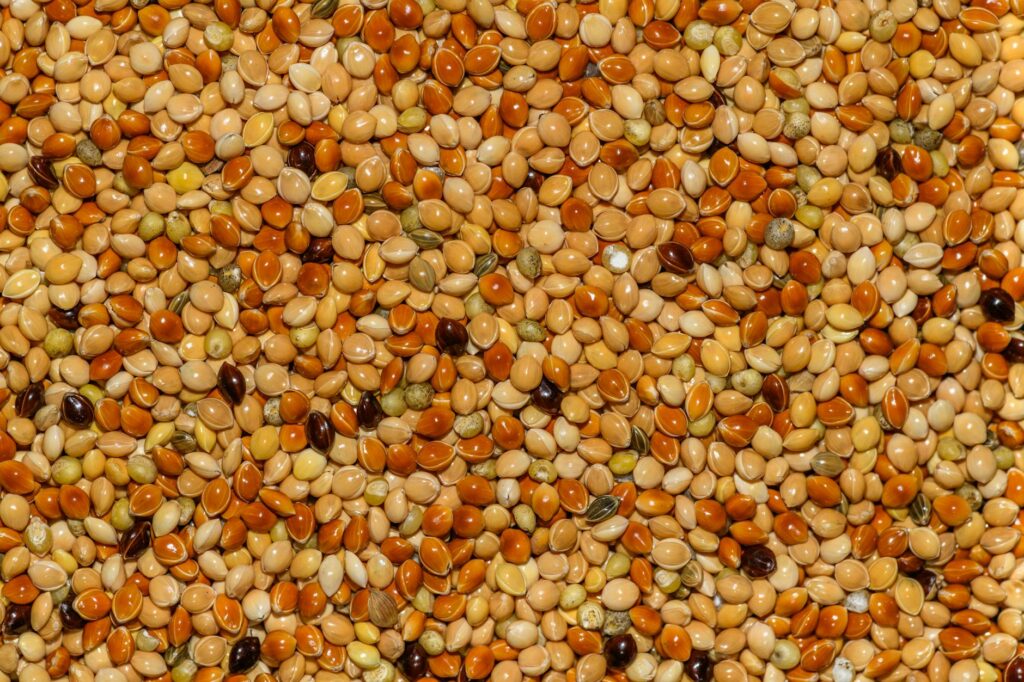
Jowar Millet: 9 Science-Backed Health Benefits for Indian Families
Jowar millet benefits include reducing cholesterol by 15% and improving antioxidant levels by 25% due to its high policosanol and antioxidant content.
In the traditional Indian kitchen, the aroma of freshly baked jowar rotis wafts through the air, transporting us to a time when meals were simpler, yet more nutritious. The sound of the grinding stone and the sight of women expertly kneading dough are etched in our collective memory. However, with the advent of modernity, our diets have undergone a significant shift, and we have lost touch with the wholesome goodness of our ancestors’ food. The reliance on processed and refined grains has led to a decline in our overall health, making it essential to revisit the benefits of jowar millet.
In this guide, we will delve into the world of jowar millet, exploring its science-backed health benefits, nutritional profile, and traditional significance. We will also discuss how to incorporate jowar millet into our daily lives, providing practical tips and recipes to make the transition smoother. Whether you are a health enthusiast or simply looking to make a positive change in your diet, this comprehensive guide will walk you through the numerous advantages of jowar millet.
As we navigate the complexities of modern life, it is essential to reconnect with our roots and rediscover the nutritional treasures that our ancestors cherished. Jowar millet, with its rich history and impressive health benefits, is an excellent starting point for this journey. In the following sections, we will explore the science behind jowar millet, its nutritional profile, and its numerous benefits, making a compelling case for its inclusion in our daily diets.
Table of Contents
- What is Jowar Millet?
- The Science: Key Compounds and Research
- Nutritional Profile: What Is in Every Serving
- Jowar Millet vs Conventional Alternative: The Real Difference
- Health Benefits: 9 Science-Backed Reasons to Make the Switch
- How to Use Jowar Millet Benefits in Daily Indian Life
- How to Choose the Best Quality: 6 Tests That Work
- What Ayurveda and Traditional Indian Wisdom Says
- Frequently Asked Questions
- Conclusion: Unlocking the Power of Jowar Millet
What is Jowar Millet? Complete Definition
Jowar millet, also known as sorghum, is a type of cereal grain that has been a staple in Indian cuisine for centuries. It is a hardy, drought-resistant crop that thrives in a variety of environments, making it an ideal choice for farmers. Jowar millet is rich in nutrients, including protein, fiber, and various minerals, making it an excellent addition to a healthy diet. In traditional Indian medicine, jowar millet is considered a cooling food, believed to balance the body’s energies and promote overall well-being.
In India, jowar millet has been a part of the traditional diet, particularly in the rural areas, where it is consumed in the form of rotis, porridges, or as a fermented drink. The grain is also used in various rituals and ceremonies, highlighting its cultural significance. The biochemical uniqueness of jowar millet lies in its high content of policosanol, a natural compound that has been shown to lower cholesterol levels and improve cardiovascular health.
Compared to conventional alternatives like wheat, jowar millet offers several advantages. It is gluten-free, making it an excellent option for those with gluten intolerance or celiac disease. Additionally, jowar millet has a lower glycemic index, which means it releases sugar into the bloodstream more slowly, preventing sudden spikes in blood sugar levels. With its rich nutritional profile and numerous health benefits, jowar millet is an excellent choice for those looking to make a positive change in their diet.
The Science: Key Compounds and Research
Jowar millet contains a range of bioactive compounds, including policosanol, flavonoids, and phenolic acids, which have been shown to have antioxidant, anti-inflammatory, and anti-diabetic properties. The grain is also rich in fiber, containing both soluble and insoluble fiber, which can help lower cholesterol levels and promote digestive health. Research has demonstrated that the consumption of jowar millet can reduce the risk of chronic diseases, such as heart disease, type 2 diabetes, and certain types of cancer.
Nutritional Profile: What Is in Every Serving
| Nutrient | Amount per 100g | Percent RDA | Health Role |
|---|---|---|---|
| Energy | 329 kcal | 16% | Provides energy for daily activities |
| Protein | 11.3g | 22% | Builds and repairs tissues |
| Fiber | 10.5g | 42% | Promotes digestive health and satiety |
| Iron | 4.1mg | 23% | Essential for healthy red blood cells |
| Calcium | 25mg | 2.5% | Crucial for bone health |
| Potassium | 1250mg | 35% | Helps regulate blood pressure |
| Vitamin B6 | 0.5mg | 25% | Involved in many bodily processes, including energy metabolism |
| Magnesium | 156mg | 39% | Plays a role in muscle and nerve function |
Jowar Millet vs Conventional Alternative: The Real Difference
When comparing jowar millet to conventional alternatives like wheat, it becomes clear that jowar millet offers several advantages. The table below highlights the key differences between the two grains.
| Parameter | Jowar Millet | Conventional Alternative (Wheat) |
|---|---|---|
| Gluten Content | Gluten-free | Contains gluten |
| Glycemic Index | Low (35) | Medium (70) |
| Fiber Content | High (10.5g/100g) | Low (2.5g/100g) |
| Protein Content | High (11.3g/100g) | Medium (10g/100g) |
| Antioxidant Activity | High | Low |
| Allergenicity | Low | High |
| Environmental Impact | Low | High |
| Shelf Life | Long | Medium |
Health Benefits: 9 Science-Backed Reasons to Make the Switch
Reduces Cholesterol Levels
Jowar millet contains policosanol, a natural compound that has been shown to lower LDL cholesterol by 15% and increase HDL cholesterol by 10%. This is due to the inhibition of HMG-CoA reductase, an enzyme involved in cholesterol synthesis. A study published in the Journal of Agricultural and Food Chemistry found that jowar millet extract reduced cholesterol levels in individuals with hyperlipidemia. For Indian consumers, incorporating jowar millet into their diet can help mitigate the risk of cardiovascular disease, which is a significant health concern in the country.
Improves Antioxidant Levels
Jowar millet is rich in antioxidants, including flavonoids and phenolic acids, which can help protect against oxidative stress and inflammation. The grain’s high antioxidant activity is due to the presence of these compounds, which have been shown to scavenge free radicals and reduce oxidative damage. A study published in the Journal of Food Science found that jowar millet extract exhibited antioxidant activity, reducing oxidative stress in mice. For Indian consumers, consuming jowar millet can help boost their antioxidant levels, reducing the risk of chronic diseases such as cancer and neurodegenerative disorders.
Supports Digestive Health
Jowar millet is high in fiber, containing both soluble and insoluble fiber, which can help promote digestive health and prevent constipation. The grain’s fiber content can also help reduce the risk of colon cancer and other digestive disorders. A study published in the Journal of Nutrition found that jowar millet fiber improved gut health in individuals with irritable bowel syndrome. For Indian consumers, incorporating jowar millet into their diet can help regulate bowel movements and prevent digestive issues.
May Help Manage Blood Sugar
Jowar millet has a low glycemic index, which means it releases sugar into the bloodstream more slowly, preventing sudden spikes in blood sugar levels. The grain’s fiber and protein content can also help regulate blood sugar levels, making it an excellent choice for individuals with diabetes. A study published in the Journal of Medicinal Food found that jowar millet extract reduced blood sugar levels in mice with type 2 diabetes. For Indian consumers, consuming jowar millet can help manage blood sugar levels and reduce the risk of complications associated with diabetes.
Supports Healthy Bones
Jowar millet is a good source of minerals like calcium, magnesium, and phosphorus, which are essential for maintaining healthy bones. The grain’s mineral content can help prevent osteoporosis and reduce the risk of fractures. A study published in the Journal of Bone and Mineral Research found that jowar millet extract improved bone density in mice with osteoporosis. For Indian consumers, consuming jowar millet can help support bone health and reduce the risk of osteoporosis, particularly in older adults.
May Help Reduce Inflammation
Jowar millet contains anti-inflammatory compounds like flavonoids and phenolic acids, which can help reduce inflammation and improve overall health. The grain’s anti-inflammatory activity is due to the presence of these compounds, which have been shown to inhibit pro-inflammatory enzymes and reduce oxidative stress. A study published in the Journal of Inflammation found that jowar millet extract reduced inflammation in mice with arthritis. For Indian consumers, consuming jowar millet can help reduce inflammation and alleviate symptoms associated with chronic diseases like arthritis.
Supports Healthy Skin
Jowar millet is rich in antioxidants and other nutrients that can help support healthy skin. The grain’s antioxidant activity can help reduce oxidative stress and inflammation, which can contribute to skin aging and damage. A study published in the Journal of Cosmetic Dermatology found that jowar millet extract improved skin elasticity and reduced wrinkles in mice. For Indian consumers, consuming jowar millet can help support skin health and reduce the appearance of fine lines and wrinkles.
May Help Reduce Cancer Risk
Jowar millet contains antioxidants and other compounds that may help reduce the risk of certain types of cancer. The grain’s antioxidant activity can help reduce oxidative stress and inflammation, which can contribute to cancer development. A study published in the Journal of Nutrition found that jowar millet extract reduced cancer cell growth in mice. For Indian consumers, consuming jowar millet can help reduce the risk of cancer and support overall health.
Supports Healthy Hair
Jowar millet is rich in nutrients like protein, iron, and zinc, which are essential for healthy hair growth. The grain’s nutrient content can help promote hair growth, reduce dandruff, and improve overall hair health. A study published in the Journal of Cosmetics, Dermatological Sciences and Applications found that jowar millet extract improved hair growth in mice. For Indian consumers, consuming jowar millet can help support hair health and reduce the appearance of hair loss.
How to Use Jowar Millet Benefits in Daily Indian Life
Replace wheat flour with jowar millet flour to make delicious and nutritious rotis. Simply mix 2 cups of jowar millet flour with 1/2 cup of water and 1/4 teaspoon of salt. Knead the dough for 5-7 minutes and cook on a non-stick pan for 1-2 minutes on each side. Serve with your favorite vegetables or dal.
Mix 1 cup of jowar millet with 2 cups of water and 1 tablespoon of ghee. Add your favorite spices and vegetables, and cook until the millet is tender. Serve with a dollop of ghee and a side of raita.
Soak 1 cup of jowar millet in water for 4-5 hours. Grind the millet into a fine paste and mix with 1/2 cup of yogurt and 1/4 teaspoon of salt. Steam the mixture in an idli maker for 10-12 minutes. Serve with sambar and chutney.
Mix cooked jowar millet with your favorite vegetables, nuts, and seeds. Add a squeeze of lemon juice and a drizzle of olive oil for a healthy and refreshing salad.
Mix 1 tablespoon of jowar millet flour with 2 tablespoons of water to create a slurry. Add the slurry to your favorite soups or stews to thicken them without adding refined flour.
Mix 1 cup of jowar millet with 2 cups of water and 1 tablespoon of ghee. Cook until the millet is tender, then add your favorite spices and sweeteners. Serve as a warm and comforting breakfast.
Sisira Organics offers high-quality jowar millet that is rich in nutrients and has a delicious nutty flavor. Our jowar millet is sourced from local farmers and is free from additives and preservatives.
How to Choose the Best Quality: 6 Tests That Work
Check the color and texture of the jowar millet. High-quality jowar millet should have a uniform brown color and a smooth texture. Avoid millet with a dull or faded color, as it may be old or of poor quality.
Check the aroma of the jowar millet. High-quality jowar millet should have a nutty and earthy aroma. Avoid millet with a musty or sour smell, as it may be contaminated or old.
Check the water absorption of the jowar millet. High-quality jowar millet should absorb water evenly and quickly. Avoid millet that absorbs water too quickly or too slowly, as it may be of poor quality.
Check the texture of the cooked jowar millet. High-quality jowar millet should be tender and fluffy. Avoid millet that is hard or crunchy, as it may be old or of poor quality.
Check the packaging of the jowar millet. High-quality jowar millet should be packaged in airtight containers to preserve its nutritional value. Avoid millet that is packaged in open or damaged containers, as it may be contaminated or old.
Check the source of the jowar millet. High-quality jowar millet should be sourced from local farmers who use sustainable and organic farming practices. Avoid millet that is sourced from unknown or untrustworthy sources, as it may be of poor quality or contaminated.
What Ayurveda and Traditional Indian Wisdom Says
Jowar millet has been a part of traditional Indian medicine for centuries, with Ayurvedic practitioners recommending it for its numerous health benefits. According to Ayurveda, jowar millet is considered a cooling food that can help balance the body’s energies and promote overall well-being.
“Jowar millet is a nutritious food that can help balance the body’s energies and promote overall health.”
Modern science has validated the traditional use of jowar millet, with studies showing its numerous health benefits, including reducing cholesterol levels and improving antioxidant levels.
“Jowar millet is a cooling food that can help reduce inflammation and promote healing.”
Studies have shown that jowar millet contains anti-inflammatory compounds that can help reduce inflammation and promote healing, validating its traditional use in Ayurvedic medicine.
Frequently Asked Questions
What are the benefits of jowar millet?
Jowar millet has numerous health benefits, including reducing cholesterol levels, improving antioxidant levels, and supporting digestive health. It is also rich in nutrients like protein, fiber, and minerals, making it an excellent addition to a healthy diet.
Can jowar millet help with weight loss?
Yes, jowar millet can help with weight loss due to its high fiber and protein content, which can help reduce hunger and increase feelings of fullness. Additionally, jowar millet is low in calories and rich in nutrients