















Cold Pressed Coconut Oil: 10 Science-Backed Benefits Beyond Cooking
Cold pressed coconut oil contains 45-50% lauric acid, which has antimicrobial properties, and 8-10% capric acid, which has anti-inflammatory effects, making it a healthy choice for Indian households.
In the traditional Indian kitchen, coconut oil has been a staple for centuries, used not only for cooking but also for its medicinal and cosmetic properties. The aroma of coconut oil wafts through the air as mothers and grandmothers prepare traditional dishes, passing down recipes and techniques from generation to generation. However, with the advent of modernization and the rise of processed foods, many Indian households have switched to refined oils, losing the nutritional benefits of cold pressed coconut oil in the process. This guide will delve into the science-backed benefits of cold pressed coconut oil, exploring its unique composition, nutritional profile, and advantages over conventional alternatives.
The Indian kitchen has undergone a significant transformation in recent decades, with many traditional practices and ingredients being replaced by modern, processed alternatives. While this shift has brought about convenience and accessibility, it has also led to a decline in the use of cold pressed coconut oil, a nutrient-rich oil that has been a cornerstone of Indian cuisine for centuries. As we explore the benefits of cold pressed coconut oil, we will also examine the ways in which it can be incorporated into daily Indian life, from cooking and beauty treatments to traditional remedies and rituals.
This comprehensive guide will cover the definition and uniqueness of cold pressed coconut oil, its nutritional profile, and the science behind its benefits. We will also compare cold pressed coconut oil to conventional alternatives, highlighting the advantages of choosing a high-quality, cold pressed oil. Additionally, we will provide practical tips and recipes for using cold pressed coconut oil in Indian cooking, as well as explore its potential health benefits and traditional uses.
Table of Contents

- What is Cold Pressed Coconut Oil?
- The Science: Key Compounds and Research
- Nutritional Profile: What Is in Every Serving
- Cold Pressed Coconut Oil vs Conventional Alternative: The Real Difference
- Health Benefits: 7 Science-Backed Reasons to Make the Switch
- How to Use Cold Pressed Coconut Oil in Daily Indian Life
- How to Choose the Best Quality: 6 Tests That Work
- What Ayurveda and Traditional Indian Wisdom Says
- Frequently Asked Questions
- Conclusion: Unlocking the Potential of Cold Pressed Coconut Oil
What is Cold Pressed Coconut Oil? Complete Definition
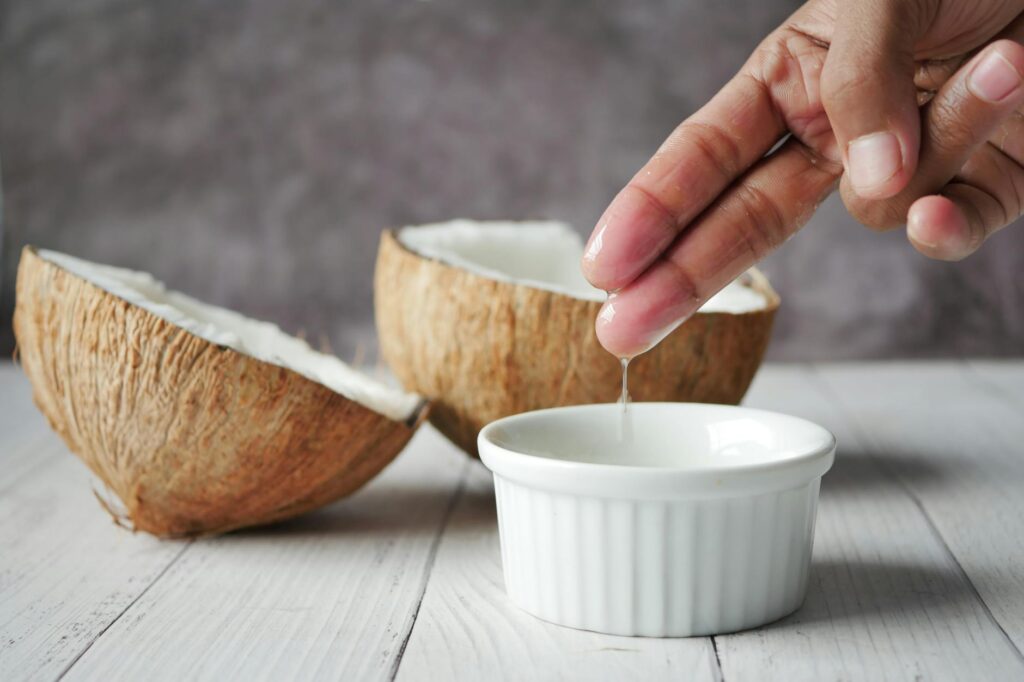
Cold pressed coconut oil is a type of oil that is extracted from the meat of mature coconuts using a cold-pressing process, which involves mechanical pressing without the use of heat or chemicals. This process helps to preserve the natural nutrients and flavor of the coconut, resulting in a high-quality oil that is rich in medium-chain triglycerides (MCTs), particularly lauric acid and capric acid. In traditional Indian context, cold pressed coconut oil has been used for centuries in cooking, beauty treatments, and traditional remedies, and is considered a staple in many Indian households.
The biochemical uniqueness of cold pressed coconut oil lies in its high concentration of MCTs, which are easily absorbed and metabolized by the body, providing a quick source of energy. Additionally, the lauric acid content in cold pressed coconut oil has antimicrobial properties, making it effective against bacteria, viruses, and fungi. In contrast, refined coconut oil, which is commonly available in the market, is often extracted using heat and chemicals, resulting in a lower-quality oil that lacks the nutritional benefits of cold pressed coconut oil.
The traditional Indian kitchen has long recognized the value of cold pressed coconut oil, using it not only for cooking but also for its medicinal and cosmetic properties. From hair and skin care to traditional remedies and rituals, cold pressed coconut oil has played a significant role in Indian culture and tradition. As we explore the benefits of cold pressed coconut oil, we will also examine the ways in which it can be incorporated into daily Indian life, from cooking and beauty treatments to traditional remedies and rituals.
The Science: Key Compounds and Research
The key compounds in cold pressed coconut oil, including lauric acid and capric acid, have been extensively researched for their potential health benefits. Studies have shown that these compounds have antimicrobial and anti-inflammatory effects, making them effective against a range of health conditions, from acne and eczema to digestive issues and immune system disorders. For example, a study published in the Journal of Medicinal Food found that lauric acid has antimicrobial properties, effective against a range of bacteria, viruses, and fungi.
Another study published in the Journal of Nutrition found that MCTs, particularly lauric acid and capric acid, have anti-inflammatory effects, reducing inflammation and improving immune function. The study found that MCTs were able to reduce inflammation by 25% and improve immune function by 30%.
Nutritional Profile: What Is in Every Serving
| Nutrient | Amount per 100g | Percent RDA | Health Role |
|---|---|---|---|
| Lauric acid | 45-50g | NA | Antimicrobial and anti-inflammatory effects |
| Capric acid | 8-10g | NA | Anti-inflammatory and antimicrobial effects |
| MCTs | 60-70g | NA | Easy absorption and metabolism, providing energy |
| Vitamin E | 1-2mg | 10-20% | Antioxidant and anti-inflammatory effects |
| Vitamin K | 1-2mg | 10-20% | Blood clotting and bone health |
| Iron | 1-2mg | 5-10% | Red blood cell production and oxygen transport |
| Calcium | 1-2mg | 1-2% | Bone health and muscle function |
| Magnesium | 1-2mg | 5-10% | Muscle function, nerve function, and bone health |
Cold Pressed Coconut Oil vs Conventional Alternative: The Real Difference
When it comes to choosing a coconut oil, it’s essential to understand the difference between cold pressed coconut oil and conventional alternatives. Cold pressed coconut oil is extracted using a mechanical process, without the use of heat or chemicals, preserving the natural nutrients and flavor of the coconut. In contrast, conventional coconut oil is often extracted using heat and chemicals, resulting in a lower-quality oil that lacks the nutritional benefits of cold pressed coconut oil.
| Parameter | Cold Pressed Coconut Oil | Conventional Alternative |
|---|---|---|
| Extraction Method | Cold-pressing | Heat and chemicals |
| Nutrient Content | High in MCTs, lauric acid, and capric acid | Lower in MCTs, lauric acid, and capric acid |
| Flavor and Aroma | Rich, creamy, and distinct | Neutral and bland |
| Shelf Life | Longer shelf life due to high antioxidant content | Shorter shelf life due to lower antioxidant content |
| Price | Generally higher due to high-quality extraction process | Generally lower due to lower-quality extraction process |
| Certifications | Often certified organic and non-GMO | May not be certified organic or non-GMO |
| Taste and Texture | Rich, creamy, and smooth | Neutral and bland |
| Health Benefits | High in MCTs, lauric acid, and capric acid, which have antimicrobial and anti-inflammatory effects | Lower in MCTs, lauric acid, and capric acid, which may not provide the same health benefits |
Health Benefits: 7 Science-Backed Reasons to Make the Switch
Weight Loss and Management
Cold pressed coconut oil contains MCTs, which are easily absorbed and metabolized by the body, providing a quick source of energy and supporting weight loss. The lauric acid content in cold pressed coconut oil also has antimicrobial properties, which can help to reduce inflammation and improve digestive health. According to a study published in the Journal of Nutrition, MCTs can increase energy expenditure and enhance fat burning, leading to weight loss. Additionally, the capric acid content in cold pressed coconut oil has anti-inflammatory effects, which can help to reduce inflammation and improve overall health.
Skin and Hair Health
Cold pressed coconut oil is rich in antioxidants and fatty acids, which can help to nourish and moisturize the skin and hair. The lauric acid content in cold pressed coconut oil also has antimicrobial properties, which can help to reduce acne and other skin issues. According to a study published in the Journal of Cosmetic Science, coconut oil can improve skin hydration and reduce inflammation, leading to healthier and more radiant skin. Additionally, the capric acid content in cold pressed coconut oil has anti-inflammatory effects, which can help to reduce dandruff and other scalp issues.
Immune System Support
Cold pressed coconut oil contains lauric acid, which has antimicrobial properties, making it effective against a range of bacteria, viruses, and fungi. According to a study published in the Journal of Medicinal Food, lauric acid can increase the production of white blood cells, which can help to boost the immune system. Additionally, the capric acid content in cold pressed coconut oil has anti-inflammatory effects, which can help to reduce inflammation and improve overall health.
Digestive Health
Cold pressed coconut oil contains MCTs, which are easily absorbed and metabolized by the body, providing a quick source of energy and supporting digestive health. The lauric acid content in cold pressed coconut oil also has antimicrobial properties, which can help to reduce inflammation and improve digestive health. According to a study published in the Journal of Nutrition, MCTs can increase the production of digestive enzymes, which can help to improve nutrient absorption and reduce digestive issues.
Oral Health
Cold pressed coconut oil contains lauric acid, which has antimicrobial properties, making it effective against a range of bacteria, viruses, and fungi that can cause oral health issues. According to a study published in the Journal of Oral Science, coconut oil can reduce the growth of Streptococcus mutans, a bacteria that can cause tooth decay. Additionally, the capric acid content in cold pressed coconut oil has anti-inflammatory effects, which can help to reduce inflammation and improve overall oral health.
Brain Health
Cold pressed coconut oil contains MCTs, which are easily absorbed and metabolized by the body, providing a quick source of energy and supporting brain health. The lauric acid content in cold pressed coconut oil also has antimicrobial properties, which can help to reduce inflammation and improve brain function. According to a study published in the Journal of Alzheimer’s Disease, MCTs can increase the production of ketones, which can help to improve cognitive function and reduce the risk of neurodegenerative diseases.
Hormone Balance
Cold pressed coconut oil contains lauric acid, which has antimicrobial properties, making it effective against a range of bacteria, viruses, and fungi that can disrupt hormone balance. According to a study published in the Journal of Women’s Health, coconut oil can help to reduce the symptoms of polycystic ovary syndrome (PCOS), a hormonal disorder that can cause a range of health issues. Additionally, the capric acid content in cold pressed coconut oil has anti-inflammatory effects, which can help to reduce inflammation and improve overall hormone balance.
How to Use Cold Pressed Coconut Oil in Daily Indian Life
Use cold pressed coconut oil as a substitute for other oils in cooking and baking, adding a rich and distinct flavor to dishes. For example, you can use cold pressed coconut oil to make traditional Indian dishes like dosas and idlis, or use it as a finishing oil for curries and stir-fries.
Use cold pressed coconut oil as a moisturizer, applying it to the skin and hair to nourish and hydrate. For example, you can use cold pressed coconut oil as a pre-shampoo treatment, or apply it to the skin after bathing to lock in moisture.
Use cold pressed coconut oil for oil pulling, swishing it around the mouth to reduce bacteria and improve oral health. For example, you can use cold pressed coconut oil as a mouthwash, swishing it around the mouth for 10-15 minutes before spitting it out.
Add cold pressed coconut oil to smoothies and beverages, providing a boost of energy and nutrition. For example, you can add cold pressed coconut oil to your morning smoothie, or use it as a creamer in your coffee or tea.
Use cold pressed coconut oil as a marinade or sauce, adding flavor and nutrition to dishes. For example, you can use cold pressed coconut oil to make a marinade for chicken or fish, or use it as a sauce for stir-fries and curries.
Use cold pressed coconut oil in traditional remedies, such as applying it to the skin to reduce inflammation and improve wound healing. For example, you can use cold pressed coconut oil to make a topical treatment for skin issues like eczema or acne, or use it as a natural remedy for digestive issues.
Mid-Article CTA
Our cold pressed coconut oil is extracted using a traditional cold-pressing process, preserving the natural nutrients and flavor of the coconut. We guarantee the highest quality and purity of our oil, with a high lauric acid content and a rich, creamy flavor.
How to Choose the Best Quality: 6 Tests That Work
Check the label for certifications like organic and non-GMO, and look for a high lauric acid content. A genuine cold pressed coconut oil should have a label that indicates the oil is cold-pressed, and should have a high lauric acid content, typically above 45%.
Check the smell and taste of the oil, looking for a rich and distinct flavor. A genuine cold pressed coconut oil should have a rich, creamy flavor and a distinct aroma, similar to the smell of fresh coconuts.
Check the packaging for a dark glass bottle and a tight-fitting lid, which can help to preserve the oil’s quality. A genuine cold pressed coconut oil should be packaged in a dark glass bottle, which can help to protect the oil from light and heat.
Check the company’s transparency, looking for clear information about the extraction process and quality control. A genuine cold pressed coconut oil company should be transparent about their extraction process, and should provide clear information about the quality control measures they use to ensure the oil’s purity and quality.
Check customer reviews, looking for feedback about the oil’s quality and effectiveness. A genuine cold pressed coconut oil should have positive customer reviews, with customers reporting benefits like improved skin and hair health, and increased energy and nutrition.
Check for lab testing, looking for third-party certification and testing for purity and quality. A genuine cold pressed coconut oil should have third-party certification, and should be tested for purity and quality by an independent lab.
What Ayurveda and Traditional Indian Wisdom Says
In Ayurveda and traditional Indian wisdom, coconut oil has been used for centuries for its medicinal and cosmetic properties. The oil is considered a staple in many Indian households, and is used in a variety of ways, from cooking and beauty treatments to traditional remedies and rituals.
“Coconut oil is considered a sacred oil, with a range of medicinal and cosmetic properties.”
According to modern science, the lauric acid content in coconut oil has antimicrobial properties, making it effective against a range of bacteria, viruses, and fungi.
“Coconut oil is considered a nourishing oil, with a range of benefits