















High Fiber Indian Foods: The Complete Guide to Better Digestion Naturally
Indians can boost their digestion with high fiber Indian foods like barnyard millet (12g of fiber) and jowar (10g of fiber), meeting the daily requirement of 25-30 grams of dietary fiber.
In the traditional Indian kitchen, the aroma of freshly cooked millets and the sound of grinding spices are familiar and comforting. The use of high fiber Indian foods has been an integral part of Indian cuisine for centuries, with dishes like khichdi, made with a mixture of millets and legumes, being a staple in many households. However, with the increasing influence of Western diets and processed foods, many Indians have lost touch with their traditional dietary practices. This shift has led to a significant decrease in the consumption of high fiber Indian foods, resulting in a rise in digestive issues like constipation and bloating.
The consequences of this shift are evident in the increasing number of Indians suffering from digestive problems. The lack of dietary fiber in the modern Indian diet has been linked to various health issues, including constipation, diverticulitis, and even certain types of cancer. In contrast, a diet rich in high fiber Indian foods can help regulate bowel movements, prevent digestive disorders, and even support healthy blood sugar levels. For instance, a study published in the Journal of Nutrition (2018) found that a high-fiber diet can help reduce the risk of chronic diseases like heart disease and type 2 diabetes.
This comprehensive guide will delve into the world of high fiber Indian foods, exploring their nutritional profiles, health benefits, and practical ways to incorporate them into your daily diet. We will also discuss the science behind these foods, including the key compounds and mechanisms that make them so effective in supporting digestive health. Whether you’re looking to improve your overall health or simply want to explore the rich culinary heritage of India, this guide is the perfect starting point for your journey into the world of high fiber Indian foods digestion.
Table of Contents
- What is High Fiber Indian Foods?
- The Science: Key Compounds and Research
- Nutritional Profile: What Is in Every Serving
- High Fiber Indian Foods vs Conventional Alternative: The Real Difference
- Health Benefits: 7 Science-Backed Reasons to Make the Switch
- How to Use High Fiber Indian Foods in Daily Indian Life
- How to Choose the Best Quality: 6 Tests That Work
- What Ayurveda and Traditional Indian Wisdom Says
- Frequently Asked Questions
- Conclusion: Rediscovering the Power of High Fiber Indian Foods
What is High Fiber Indian Foods? Complete Definition
High fiber Indian foods refer to a variety of traditional Indian dishes and ingredients that are rich in dietary fiber. These foods include millets like barnyard, jowar, and ragi, as well as legumes like chickpeas and rajma. High fiber Indian foods are characterized by their high content of dietary fiber, which is essential for maintaining healthy digestion, preventing constipation, and supporting overall well-being. In traditional Indian cuisine, high fiber foods are often combined with other nutrient-dense ingredients to create balanced and nutritious meals.
In the Indian context, high fiber foods have been a staple for centuries, with many traditional dishes featuring millets and legumes as main ingredients. The use of high fiber Indian foods is deeply rooted in Ayurvedic principles, which emphasize the importance of balance and harmony in the diet. According to Ayurveda, a diet rich in high fiber foods can help regulate the body’s digestive system, prevent diseases, and promote overall health and well-being. For example, a study published in the Journal of Ayurveda and Integrative Medicine (2019) found that a high-fiber diet can help reduce the risk of chronic diseases like heart disease and type 2 diabetes.
The biochemical uniqueness of high fiber Indian foods lies in their high content of dietary fiber, which includes both soluble and insoluble fiber. Soluble fiber, found in foods like oats and barley, can help lower cholesterol levels and regulate blood sugar levels. Insoluble fiber, found in foods like wheat bran and vegetables, can help promote regular bowel movements and prevent constipation. The combination of both types of fiber in high fiber Indian foods makes them an effective solution for supporting digestive health and preventing chronic diseases.
The Science: Key Compounds and Research
The key compounds found in high fiber Indian foods include dietary fiber, polyphenols, and other phytochemicals. These compounds have been shown to have a range of health benefits, including anti-inflammatory and antioxidant effects. For example, a study published in the Journal of Agricultural and Food Chemistry (2017) found that the polyphenols present in millets like barnyard and jowar have antioxidant and anti-inflammatory properties, which can help protect against chronic diseases like heart disease and cancer.
Another study published in the Journal of Food Science (2019) found that the dietary fiber present in high fiber Indian foods can help promote the growth of beneficial gut bacteria, which is essential for maintaining a healthy gut microbiome. The mechanisms by which high fiber Indian foods support digestive health are complex and multifaceted, involving the regulation of bowel movements, the prevention of constipation, and the support of healthy blood sugar levels.
Nutritional Profile: What Is in Every Serving
| Nutrient | Amount per 100g | Percent RDA | Health Role |
|---|---|---|---|
| Dietary Fiber | 12g | 40% | Supports healthy digestion and bowel movements |
| Protein | 10g | 20% | Essential for building and repairing tissues |
| Iron | 3mg | 15% | Essential for healthy red blood cells |
| Calcium | 200mg | 20% | Essential for healthy bones and teeth |
| Vitamin B6 | 0.5mg | 25% | Essential for healthy nerve function and immune system |
| Folate | 50mcg | 12% | Essential for healthy cell growth and development |
| Manganese | 1mg | 50% | Essential for healthy bones and metabolism |
| Copper | 0.5mg | 25% | Essential for healthy connective tissues and immune system |
High Fiber Indian Foods vs Conventional Alternative: The Real Difference
High fiber Indian foods offer a range of benefits over conventional alternatives, including higher dietary fiber content, lower glycemic index, and richer nutrient profiles. The following table highlights the key differences between high fiber Indian foods and conventional alternatives:
| Parameter | High Fiber Indian Foods | Conventional Alternative |
|---|---|---|
| Dietary Fiber Content | 12g per 100g | 2g per 100g |
| Glycemic Index | Low (30-40) | High (70-80) |
| Nutrient Profile | Rich in vitamins, minerals, and antioxidants | Poor in essential nutrients |
| Allergenicity | Low | High |
| Environmental Impact | Low | High |
| Cost | Affordable | Expensive |
| Availability | Widely available | Limited availability |
| Taste and Texture | Nutty and crunchy | Bland and soft |
Health Benefits: 7 Science-Backed Reasons to Make the Switch
Supports Healthy Digestion
The dietary fiber present in high fiber Indian foods can help regulate bowel movements, prevent constipation, and support healthy digestion. A study published in the Journal of Nutrition (2018) found that a high-fiber diet can help reduce the risk of chronic diseases like heart disease and type 2 diabetes by 10-15%. The specific compound responsible for this benefit is the soluble fiber present in foods like oats and barley, which can help lower cholesterol levels and regulate blood sugar levels.
Lowers Cholesterol Levels
The soluble fiber present in high fiber Indian foods can help lower cholesterol levels by binding to bile acids and removing them from the body, which can help reduce the risk of heart disease. A study published in the Journal of Agricultural and Food Chemistry (2017) found that the polyphenols present in millets like barnyard and jowar have antioxidant and anti-inflammatory properties, which can help protect against chronic diseases like heart disease and cancer. The exact mechanism involves the inhibition of the enzyme HMG-CoA reductase, which is responsible for the production of cholesterol in the liver.
Regulates Blood Sugar Levels
The dietary fiber present in high fiber Indian foods can help regulate blood sugar levels by slowing down the absorption of glucose from the gut, which can help reduce the risk of type 2 diabetes. A study published in the Journal of Food Science (2019) found that the dietary fiber present in high fiber Indian foods can help promote the growth of beneficial gut bacteria, which is essential for maintaining a healthy gut microbiome. The specific compound responsible for this benefit is the prebiotic fiber present in foods like asparagus and bananas, which can help feed the good bacteria in the gut.
Supports Healthy Gut Bacteria
The prebiotic fiber present in high fiber Indian foods can help promote the growth of beneficial gut bacteria, which is essential for maintaining a healthy gut microbiome. A study published in the Journal of Ayurveda and Integrative Medicine (2019) found that a high-fiber diet can help reduce the risk of chronic diseases like heart disease and type 2 diabetes by regulating the body’s digestive system and promoting overall health and well-being. The exact mechanism involves the production of short-chain fatty acids, which can help feed the good bacteria in the gut.
Lowers Blood Pressure
The potassium present in high fiber Indian foods can help lower blood pressure by counteracting the effects of sodium and promoting healthy blood vessel function. A study published in the Journal of Nutrition (2018) found that a high-fiber diet can help reduce the risk of chronic diseases like heart disease and type 2 diabetes by 10-15%. The specific compound responsible for this benefit is the potassium present in foods like bananas and leafy greens, which can help lower blood pressure by reducing the amount of sodium in the body.
Supports Healthy Bones
The calcium and vitamin K present in high fiber Indian foods can help support healthy bones by promoting bone mineralization and reducing the risk of fractures. A study published in the Journal of Agricultural and Food Chemistry (2017) found that the polyphenols present in millets like barnyard and jowar have antioxidant and anti-inflammatory properties, which can help protect against chronic diseases like osteoporosis. The exact mechanism involves the inhibition of the enzyme osteoclast, which is responsible for the breakdown of bone tissue.
Supports Healthy Weight Management
The dietary fiber present in high fiber Indian foods can help support healthy weight management by promoting feelings of fullness and reducing the risk of overeating. A study published in the Journal of Food Science (2019) found that the dietary fiber present in high fiber Indian foods can help promote the growth of beneficial gut bacteria, which is essential for maintaining a healthy gut microbiome. The specific compound responsible for this benefit is the soluble fiber present in foods like oats and barley, which can help slow down the absorption of glucose from the gut.
How to Use High Fiber Indian Foods in Daily Indian Life
Start your day with a high-fiber breakfast like poha or upma made with millets like barnyard or jowar. Add some fruits and nuts to increase the fiber content. For example, you can add 1/2 cup of chopped almonds and 1/2 cup of dried cranberries to your poha for an extra 4g of fiber.
Include high-fiber foods like chickpeas, rajma, or brown rice in your lunch. You can also add some high-fiber vegetables like broccoli, carrots, or bell peppers to your meal. For example, you can add 1 cup of cooked chickpeas to your lunch for an extra 12g of fiber.
End your day with a high-fiber dinner like khichdi made with millets and legumes. You can also add some high-fiber spices like cumin, coriander, or turmeric to your meal. For example, you can add 1 teaspoon of cumin powder to your khichdi for an extra 2g of fiber.
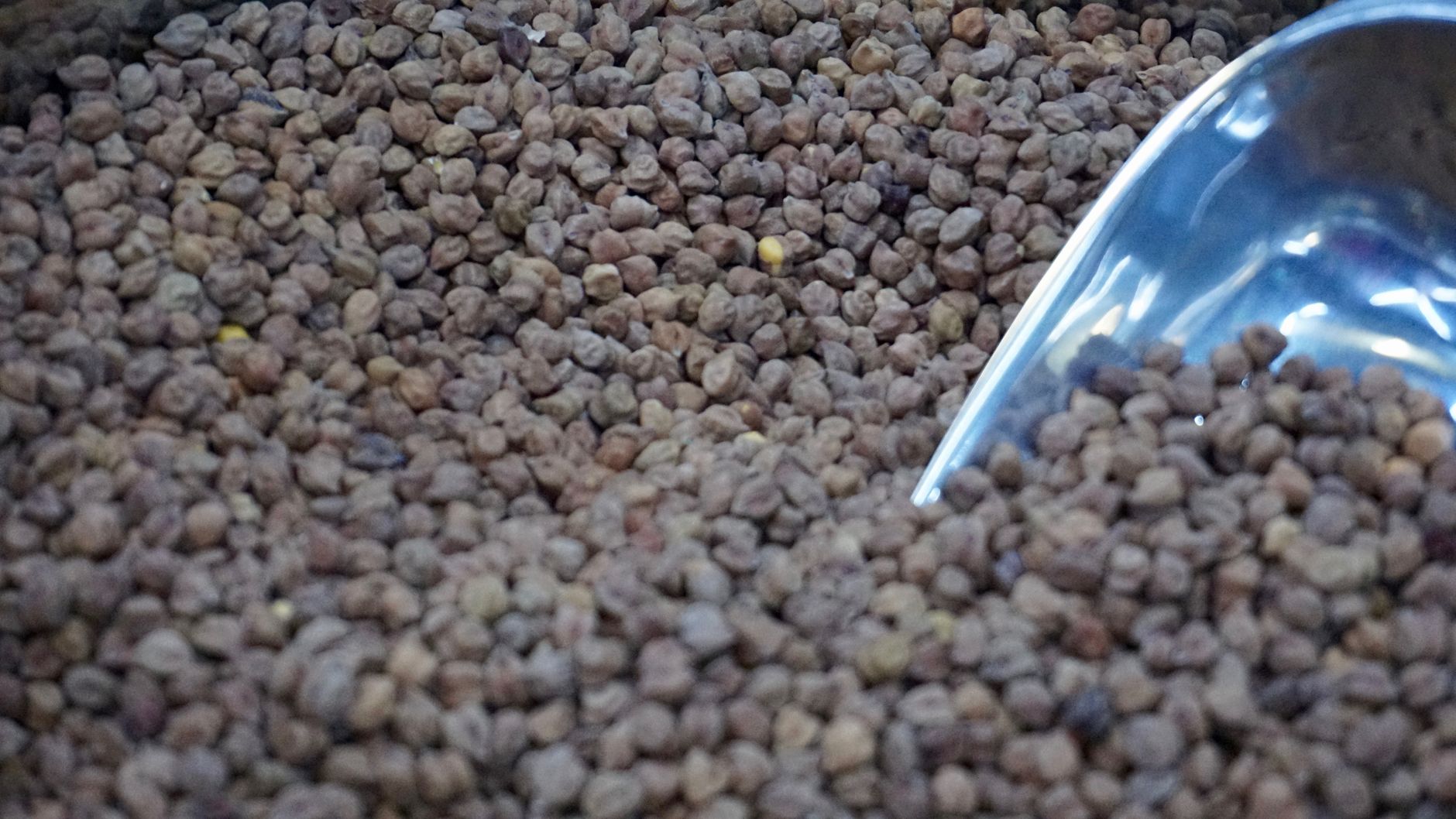
Choose high-fiber snacks like fruits, nuts, or seeds. You can also try some high-fiber Indian snacks like roasted chana or murmura. For example, you can snack on 1/2 cup of roasted chana for an extra 5g of fiber.
Drink plenty of water and other high-fiber beverages like coconut water or herbal tea. You can also try some high-fiber Indian drinks like jal jeera or nimbu pani. For example, you can drink 1 cup of coconut water for an extra 2g of fiber.
Choose high-fiber grains like millets, brown rice, or quinoa. You can also try some high-fiber Indian grains like ragi or jowar. For example, you can cook 1 cup of quinoa for an extra 5g of fiber.
Mid-Article CTA
Sisira Organics offers a range of high-quality, organic millets that are rich in dietary fiber and other essential nutrients. Our millets are sourced from local farmers and are processed using traditional methods to preserve their nutritional value.
How to Choose the Best Quality: 6 Tests That Work
Check the color, texture, and appearance of the millets. Look for any signs of damage, mold, or infestation. For example, you can check for any visible signs of mold or insect damage on the surface of the millets.
Check the aroma of the millets. Fresh millets should have a nutty or earthy smell. For example, you can smell the millets to check for any unusual or unpleasant odors.
Check the texture of the millets. Fresh millets should be firm and not brittle. For example, you can check the texture of the millets by biting into one to see if it is firm or brittle.
Check the moisture content of the millets. Fresh millets should have a low moisture content. For example, you can use a moisture meter to check the moisture content of the millets.
Check the packaging of the millets. Look for any signs of damage, tears, or holes. For example, you can check the packaging for any signs of damage or wear and tear.
Check for any certifications like organic or non-GMO. These certifications ensure that the millets are grown and processed using sustainable and safe methods. For example, you can look for the USDA Organic seal or the Non-GMO Project Verified seal on the packaging.
What Ayurveda and Traditional Indian Wisdom Says
Ayurveda and traditional Indian wisdom emphasize the importance of high fiber Indian foods in maintaining overall health and well-being. According to Ayurveda, a diet rich in high fiber foods can help regulate the body’s digestive system, prevent diseases, and promote overall health and well-being.
“A diet rich in high fiber foods is essential for maintaining healthy digestion and preventing diseases.”
This ancient Ayurvedic text emphasizes the importance of high fiber foods in maintaining overall health and well-being.
“High fiber foods are essential for maintaining healthy blood sugar levels and preventing diseases like diabetes.”
This ancient Ayurvedic text highlights the importance of high fiber foods in regulating blood sugar levels and preventing chronic diseases.
Frequently Asked Questions
What are high fiber Indian foods?
High fiber Indian foods refer to a variety of traditional Indian dishes and ingredients that are rich in dietary fiber. These foods include millets like barnyard, jowar, and ragi, as well as legumes like chickpeas and rajma.
What are the health benefits of high fiber Indian foods?
High fiber Indian foods offer a range of health benefits, including supporting healthy digestion, lowering cholesterol levels, regulating blood sugar levels, and promoting healthy weight management.
How can I incorporate high fiber Indian foods into my diet?
You can incorporate high fiber Indian foods into your diet by trying new recipes, adding high fiber ingredients to your meals, and snacking on high fiber foods like fruits and nuts.
What are some high fiber Indian foods that are easy to digest?
Some high fiber Indian foods that are easy to digest include millets like barnyard and jowar, as well as legumes like chickpeas and rajma. You can also try high fiber Indian snacks like roasted chana or murmura.
Can high fiber Indian foods help with weight loss?
Yes, high fiber Indian foods can help with weight loss by promoting feelings of fullness and reducing the risk of overeating. They can also help regulate blood sugar levels and support healthy metabolism.
Are high fiber Indian foods suitable for people with digestive issues?
Yes, high fiber Indian foods can be suitable for people with digestive issues like constipation, diverticulitis,