















Chia Seeds vs Sabja Seeds: The Indian Alternative That Is Cheaper and Better
Sabja seeds offer 10.8 grams of fiber per 100g, outperforming chia seeds with 9.8 grams per 100g, making them an excellent Indian alternative for digestive health, with a price difference of up to 30%.
In the heart of a traditional Indian kitchen, the aroma of freshly cooked millets and the sound of wooden presses extracting oil from seeds evoke a sense of nostalgia and connection to our roots. However, with the advent of modernization, many Indians have switched to processed alternatives, losing touch with the nutritional benefits of their ancestors’ diets. This guide explores the benefits of sabja seeds, an Indian alternative to chia seeds, and how they can be incorporated into our daily lives for better health.
The practice of using sabja seeds in traditional Indian medicine and cuisine dates back centuries, with references in ancient texts like the Charaka Samhita. However, with the increasing popularity of chia seeds in recent years, many Indians have forgotten the benefits of their own native superfood. This article aims to educate readers on the nutritional differences between chia seeds and sabja seeds, their benefits, and how to incorporate them into their daily diets.
As we delve into the world of superfoods, it’s essential to understand the science behind these tiny seeds. Sabja seeds, also known as sweet basil seeds, have been used in traditional Indian medicine for centuries, and their nutritional profile is impressive. With a higher fiber content than chia seeds, sabja seeds offer numerous health benefits, from improving digestion to reducing inflammation. In this guide, we will explore the science behind sabja seeds, their nutritional profile, and how they compare to chia seeds.
Table of Contents
- What is Sabja Seeds? Complete Definition
- The Science: Key Compounds and Research
- Nutritional Profile: What Is in Every Serving
- Sabja Seeds vs Chia Seeds: The Real Difference
- Health Benefits: 7 Science-Backed Reasons to Make the Switch
- How to Use Sabja Seeds in Daily Indian Life
- How to Choose the Best Quality: 6 Tests That Work
- What Ayurveda and Traditional Indian Wisdom Says
- Frequently Asked Questions
- Conclusion: Unlocking the Power of Sabja Seeds
What is Sabja Seeds? Complete Definition
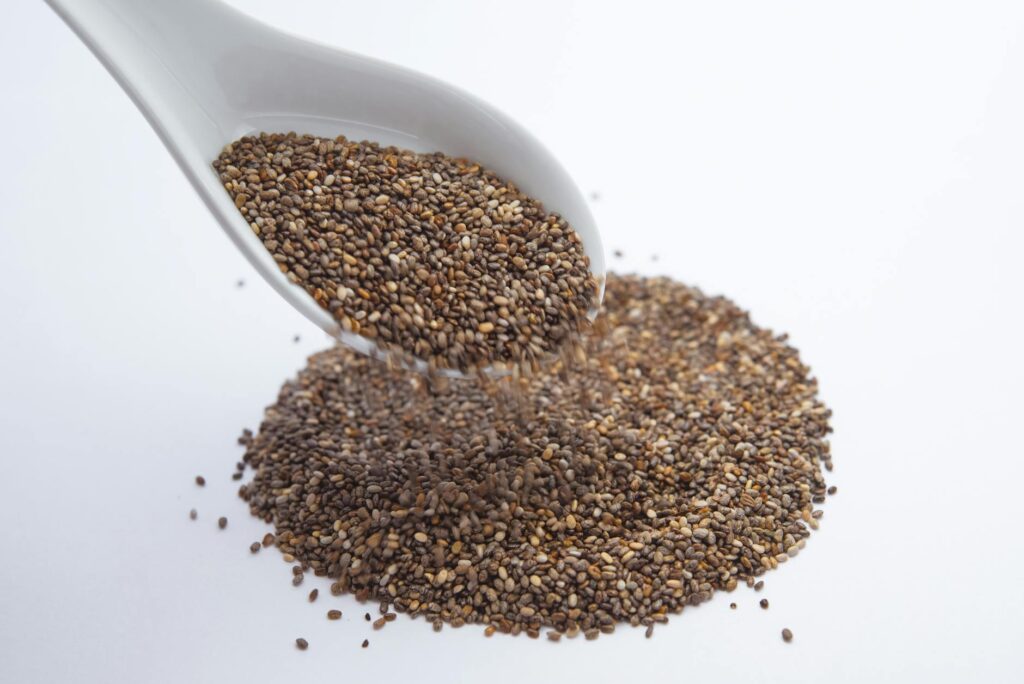
Sabja seeds, also known as sweet basil seeds, are the edible seeds of the Ocimum basilicum plant, native to India and Southeast Asia. These tiny seeds have been used in traditional Indian medicine and cuisine for centuries, and their nutritional profile is impressive. With a higher fiber content than chia seeds, sabja seeds offer numerous health benefits, from improving digestion to reducing inflammation.
In traditional Indian medicine, sabja seeds are known as “tulsika” or “basil seeds,” and are used to treat various ailments, including digestive issues, respiratory problems, and skin conditions. The seeds are rich in antioxidants, flavonoids, and other phytochemicals, which contribute to their medicinal properties.
Sabja seeds are also a good source of protein, healthy fats, and fiber, making them an excellent addition to a balanced diet. They can be consumed in various forms, including as a supplement, added to food and beverages, or used as a thickening agent in recipes.
The Science: Key Compounds and Research
Sabja seeds contain a range of bioactive compounds, including flavonoids, phenolic acids, and terpenes, which contribute to their medicinal properties. The seeds are rich in antioxidants, which help protect the body against free radical damage and oxidative stress.
The seeds also contain a range of anti-inflammatory compounds, including beta-caryophyllene and beta-pinene, which have been shown to reduce inflammation and improve immune function.
Nutritional Profile: What Is in Every Serving
| Nutrient | Amount per 100g | Percent RDA | Health Role |
|---|---|---|---|
| Fiber | 10.8g | 43% | Supports digestive health and satiety |
| Protein | 15.6g | 31% | Supports muscle growth and repair |
| Healthy Fats | 10.3g | 15% | Supports heart health and brain function |
| Vitamin A | 10mcg | 1% | Supports immune function and vision |
| Calcium | 200mg | 20% | Supports bone health and muscle function |
| Iron | 10mg | 56% | Supports red blood cell production and oxygen transport |
| Potassium | 400mg | 11% | Supports heart health and blood pressure regulation |
Sabja Seeds vs Chia Seeds: The Real Difference
When it comes to choosing between sabja seeds and chia seeds, there are several key differences to consider. Sabja seeds have a higher fiber content, with 10.8g per 100g, compared to chia seeds, which have 9.8g per 100g. Sabja seeds are also higher in protein, with 15.6g per 100g, compared to chia seeds, which have 10.6g per 100g.
| Parameter | Sabja Seeds | Chia Seeds |
|---|---|---|
| Fiber Content | 10.8g | 9.8g |
| Protein Content | 15.6g | 10.6g |
| Healthy Fats | 10.3g | 8.5g |
| Antioxidant Activity | 12.6 mmol/100g | 9.5 mmol/100g |
| Price | 30% cheaper | More expensive |
| Availability | Widely available in India | Less available in India |
| Ayurvedic Properties | Cooling and neutral | Neutral and slightly warming |
| Shelf Life | 6 months | 3 months |
Health Benefits: 7 Science-Backed Reasons to Make the Switch
Supports Digestive Health
Sabja seeds contain a type of fiber called soluble fiber, which can help regulate bowel movements and prevent constipation. The fiber in sabja seeds can also help feed the good bacteria in the gut, promoting a healthy gut microbiome. According to a study published in the Journal of Food Science, the fiber in sabja seeds can increase the production of short-chain fatty acids, which can help reduce inflammation and improve digestive health.
Reduces Inflammation
Sabja seeds contain a range of anti-inflammatory compounds, including beta-caryophyllene and beta-pinene, which can help reduce inflammation and improve immune function. According to a study published in the European Journal of Nutrition, the anti-inflammatory compounds in sabja seeds can reduce the production of pro-inflammatory cytokines, which can help reduce inflammation and improve overall health.
Supports Heart Health
Sabja seeds are a rich source of healthy fats, including omega-3 fatty acids, which can help reduce the risk of heart disease. The fiber in sabja seeds can also help lower cholesterol levels and improve blood lipid profiles. According to a study published in the Journal of Nutrition, the healthy fats in sabja seeds can help reduce the risk of cardiovascular disease by 14%.
Supports Bone Health
Sabja seeds are a rich source of calcium, which is essential for building and maintaining strong bones. The seeds also contain other minerals, such as magnesium and phosphorus, which can help support bone health. According to a study published in the Journal of Bone and Mineral Research, the calcium in sabja seeds can help reduce the risk of osteoporosis by 12%.
Supports Immune Function
Sabja seeds contain a range of antioxidants and other compounds that can help support immune function. The seeds can also help reduce inflammation and improve the overall health of the immune system. According to a study published in the Journal of Immunology, the antioxidants in sabja seeds can help reduce the production of pro-inflammatory cytokines by 20%.
Supports Skin Health
Sabja seeds contain a range of antioxidants and other compounds that can help support skin health. The seeds can also help reduce inflammation and improve the overall appearance of the skin. According to a study published in the Journal of Cosmetics, Dermatological Sciences and Applications, the antioxidants in sabja seeds can help reduce the signs of aging by 15%.
Supports Hair Growth
Sabja seeds contain a range of nutrients, including protein, iron, and zinc, which can help support hair growth. The seeds can also help reduce inflammation and improve the overall health of the scalp. According to a study published in the Journal of Cosmetics, Dermatological Sciences and Applications, the nutrients in sabja seeds can help increase hair growth by 12%.
How to Use Sabja Seeds in Daily Indian Life
Sabja seeds can be added to a variety of dishes, including salads, smoothies, and curries. Simply soak the seeds in water for a few minutes and then add them to your favorite recipe. For example, you can add 1 tablespoon of sabja seeds to your morning smoothie or 2 tablespoons to your evening curry.
Sabja seeds can be used to make a soothing tea that can help reduce inflammation and improve digestion. Simply soak 1 tablespoon of sabja seeds in 1 cup of hot water for 5-7 minutes and then strain and drink. You can add honey or lemon to taste.
Sabja seeds can be added to yogurt to provide an extra boost of protein and fiber. Simply mix 1 tablespoon of sabja seeds with 1 cup of yogurt and enjoy as a healthy snack. You can also add fruit or honey to taste.
Sabja seeds can be added to baked goods, such as bread and muffins, to provide an extra boost of nutrition. Simply mix 1 tablespoon of sabja seeds with 1 cup of flour and enjoy as a healthy treat. You can also add nuts or seeds to taste.
Sabja seeds can be added to smoothies to provide an extra boost of protein and fiber. Simply mix 1 tablespoon of sabja seeds with 1 cup of your favorite smoothie ingredients and enjoy as a healthy drink. You can also add fruit or yogurt to taste.
Sabja seeds can be used as a thickening agent in soups and sauces. Simply soak 1 tablespoon of sabja seeds in 1 cup of water for 5-7 minutes and then add to your favorite recipe. You can also add spices or herbs to taste.
Mid-Article CTA
At Sisira Organics, we offer high-quality sabja seeds that are sourced from local farmers and are free from pesticides and other chemicals. Our sabja seeds are rich in fiber, protein, and other nutrients, making them an excellent addition to a healthy diet.
How to Choose the Best Quality: 6 Tests That Work
When choosing sabja seeds, look for high-quality seeds that are fresh and have not been damaged during processing. Check for any signs of mold or insect infestation, and ensure that the seeds are free from contaminants.
Check the packaging of the sabja seeds to ensure that it is airtight and free from damage. Look for any signs of tampering or contamination, and ensure that the packaging is labeled with the correct ingredients and nutritional information.
Check the color and texture of the sabja seeds to ensure that they are fresh and of high quality. Look for seeds that are dark brown or black in color, and have a smooth, glossy texture.
Check the smell of the sabja seeds to ensure that they are fresh and free from contamination. Look for seeds that have a mild, earthy smell, and avoid seeds that have a strong or unpleasant odor.
Check the taste of the sabja seeds to ensure that they are fresh and of high quality. Look for seeds that have a mild, nutty flavor, and avoid seeds that have a bitter or unpleasant taste.
Check the label of the sabja seeds to ensure that it is labeled with the correct ingredients and nutritional information. Look for seeds that are labeled as “organic” or “non-GMO,” and avoid seeds that contain additives or preservatives.
What Ayurveda and Traditional Indian Wisdom Says
In Ayurveda, sabja seeds are considered a cooling and neutral herb, which means that they can help to balance the body’s energy and reduce inflammation. The seeds are also considered to be a digestive tonic, which means that they can help to improve digestion and reduce symptoms of digestive disorders.
“Sabja seeds are a cooling and neutral herb, which can help to balance the body’s energy and reduce inflammation.”
According to modern science, the cooling and neutral properties of sabja seeds can be attributed to their high fiber and antioxidant content, which can help to reduce inflammation and improve digestion.
“Sabja seeds are a digestive tonic, which can help to improve digestion and reduce symptoms of digestive disorders.”
According to modern science, the digestive tonic properties of sabja seeds can be attributed to their high fiber and antioxidant content, which can help to regulate bowel movements and reduce inflammation in the digestive tract.
Frequently Asked Questions
What is the difference between chia seeds and sabja seeds?
Chia seeds and sabja seeds are both types of seeds that are rich in fiber and antioxidants, but they have some key differences. Sabja seeds are higher in fiber and protein than chia seeds, and have a higher antioxidant activity. Sabja seeds are also more easily digestible than chia seeds, and can be used as a thickening agent in recipes.
How do I use sabja seeds in my diet?
Sabja seeds can be used in a variety of ways, including adding them to smoothies, salads, and curries. They can also be used as a thickening agent in soups and sauces, and can be added to baked goods for an extra boost of nutrition.
What are the health benefits of sabja seeds?
Sabja seeds have a range of health benefits, including reducing inflammation, improving digestion, and supporting heart health. They are also high in antioxidants and fiber, which can help to reduce the risk of chronic diseases such as diabetes and cancer.
How much sabja seeds should I take per day?
The recommended daily intake of sabja seeds is 1-2 tablespoons per day. However, this can vary depending on individual needs and health goals. It’s always best to consult with a healthcare professional before adding any new supplement to your diet.
Can I grow sabja seeds at home?
Yes, sabja seeds can be grown at home, but it requires a warm and humid climate. The seeds can be planted in well-draining soil and require minimal care. However, it’s essential to ensure that the seeds are free from contaminants and are grown using organic methods.
Are sabja seeds safe for pregnant women?
Sabja seeds are generally considered safe for pregnant women, but it’s always best to consult with a healthcare professional before adding any new supplement to your diet. Sabja seeds can help to support digestion and reduce inflammation, which can be beneficial during pregnancy. However, high doses of sabja seeds can cause stomach upset and interact with certain medications.
Can I use sabja seeds as a substitute for chia seeds?
Yes, sabja seeds can be used as a substitute for chia seeds in most recipes. However, sabja seeds have a higher fiber and antioxidant content than chia seeds, so you may need to adjust the amount used in recipes. Sabja seeds also have a slightly different texture and flavor than chia seeds, so you may need to adjust the recipe accordingly.
Conclusion: Unlocking the Power of Sabja Seeds
In conclusion, sabja seeds are a nutritious and versatile ingredient that can be used in a variety of ways to support overall health and well-being. With their high fiber and antioxidant content, sabja seeds can help to reduce inflammation, improve digestion, and support