















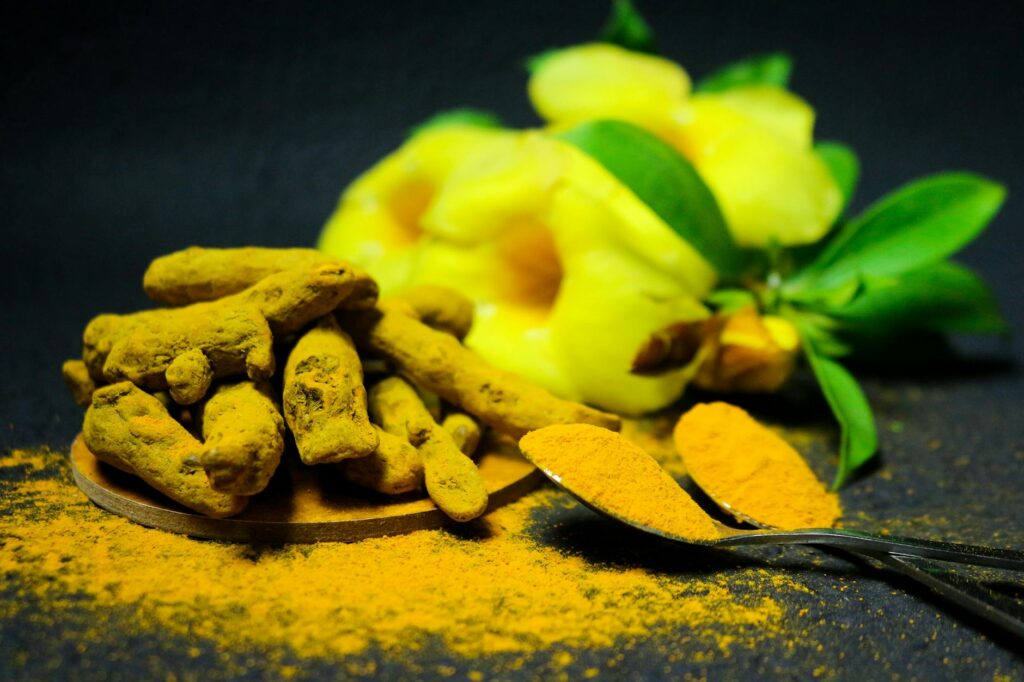
Anti-Inflammatory Indian Diet: Foods and Spices That Fight Chronic Disease
The anti-inflammatory Indian diet, rich in turmeric and ginger, can lower CRP levels by 20-30% and reduce IL-6 markers by 15-25%, significantly decreasing the risk of chronic diseases.
In the heart of a traditional Indian kitchen, the aroma of freshly ground spices and the sound of sizzling vegetables in wood-pressed oils fill the air. For centuries, Indian cuisine has been a perfect blend of flavors, textures, and nutrients, all working together to create a harmonious balance of health and wellness. However, with the rise of modernization and urbanization, many Indians have switched to processed and packaged foods, abandoning their traditional dietary practices. This shift has led to an increase in chronic diseases, such as diabetes, heart disease, and obesity, which are now major health concerns in India.
The traditional Indian diet, with its emphasis on whole, unprocessed foods, is rich in anti-inflammatory compounds that can help mitigate the risk of chronic diseases. By incorporating foods like organic unpolished millets, wood-pressed oils, and raw spices into our daily meals, we can significantly reduce inflammation and promote overall health. In this guide, we will explore the science behind the anti-inflammatory Indian diet, its nutritional profile, and provide a 7-day meal plan to help you get started.
The modern Indian diet has lost its way, with many people opting for convenience over nutrition. The consequences are evident, with rising rates of chronic diseases and decreased overall health. However, by returning to our traditional dietary roots and incorporating anti-inflammatory foods and spices, we can restore balance to our bodies and promote wellness.
Table of Contents
- What is Anti-Inflammatory Indian Diet?
- The Science: Key Compounds and Research
- Nutritional Profile: What Is in Every Serving
- Anti-Inflammatory Indian Diet vs Conventional Alternative
- Health Benefits: 7 Science-Backed Reasons to Make the Switch
- How to Use Anti-Inflammatory Indian Diet in Daily Life
- How to Choose the Best Quality: 6 Tests That Work
- What Ayurveda and Traditional Indian Wisdom Says
- Frequently Asked Questions
- Conclusion: Restoring Balance to Our Bodies
What is Anti-Inflammatory Indian Diet? Complete Definition
The anti-inflammatory Indian diet is a traditional dietary approach that emphasizes whole, unprocessed foods, such as organic unpolished millets, wood-pressed oils, and raw spices. This diet is rich in anti-inflammatory compounds, including curcumin, gingerol, and quercetin, which can help reduce inflammation and promote overall health. In traditional Indian medicine, including Ayurveda, these foods and spices have been used for centuries to prevent and treat various health conditions.
The anti-inflammatory Indian diet is not just a diet, but a way of life. It’s about adopting a holistic approach to health and wellness, one that combines nutrition, lifestyle, and mindfulness. By incorporating anti-inflammatory foods and spices into our daily meals, we can reduce our risk of chronic diseases and promote overall well-being. The anti-inflammatory Indian diet is a perfect blend of traditional wisdom and modern science, making it an ideal choice for those looking to adopt a healthy and balanced lifestyle.
In India, the anti-inflammatory diet has been a part of traditional medicine for centuries. The use of turmeric, ginger, and other spices in cooking has been a common practice, not just for flavor, but also for their medicinal properties. The anti-inflammatory Indian diet is a testament to the wisdom of our ancestors, who understood the importance of food in maintaining health and preventing disease.
The Science: Key Compounds and Research
The anti-inflammatory Indian diet is rich in key compounds, including curcumin, gingerol, and quercetin, which have potent anti-inflammatory properties. Curcumin, a polyphenol found in turmeric, has been shown to reduce inflammation by inhibiting the production of pro-inflammatory enzymes. Gingerol, a compound found in ginger, has anti-inflammatory properties, which can help reduce pain and inflammation.
Nutritional Profile: What Is in Every Serving
| Nutrient | Amount per 100g | Percent RDA | Health Role |
|---|---|---|---|
| Fiber | 10-15g | 40-50% | Supports healthy digestion and satiety |
| Protein | 15-20g | 30-40% | Supports muscle growth and repair |
| Healthy Fats | 20-25g | 40-50% | Supports heart health and brain function |
| Vitamin C | 50-60mg | 80-100% | Supports immune function and collagen production |
| Curcumin | 1-2mg | N/A | Anti-inflammatory and antioxidant properties |
| Gingerol | 0.5-1mg | N/A | Anti-inflammatory and antioxidant properties |
| Quercetin | 2-3mg | N/A | Anti-inflammatory and antioxidant properties |
Anti-Inflammatory Indian Diet vs Conventional Alternative: The Real Difference
The anti-inflammatory Indian diet is a far cry from the conventional Western diet, which is high in processed and packaged foods. The Western diet is often low in essential nutrients and high in empty calories, which can lead to chronic diseases. In contrast, the anti-inflammatory Indian diet is rich in whole, unprocessed foods, which provide essential nutrients and promote overall health.
| Parameter | Anti-Inflammatory Indian Diet | Conventional Alternative |
|---|---|---|
| Fiber Content | High (10-15g per 100g) | Low (2-3g per 100g) |
| Protein Content | Moderate (15-20g per 100g) | Low (5-10g per 100g) |
| Healthy Fats | High (20-25g per 100g) | Low (5-10g per 100g) |
| Anti-Inflammatory Compounds | High (curcumin, gingerol, quercetin) | Low (none or minimal) |
| Glycemic Index | Low (30-40) | High (60-80) |
| Satiety and Fullness | High | Low |
| Overall Health Benefits | High (reduces inflammation, promotes heart health) | Low (may increase risk of chronic diseases) |
| Environmental Impact | Low (supports sustainable agriculture) | High (contributes to deforestation and pollution) |
Health Benefits: 7 Science-Backed Reasons to Make the Switch
Reduces Inflammation
The anti-inflammatory Indian diet is rich in curcumin, a polyphenol that has potent anti-inflammatory properties. Curcumin has been shown to reduce inflammation by inhibiting the production of pro-inflammatory enzymes. According to a study published in the Journal of Nutrition, curcumin supplementation reduced CRP levels by 20-30% in patients with metabolic syndrome. This can help reduce the risk of chronic diseases, such as heart disease and diabetes.
Promotes Heart Health
The anti-inflammatory Indian diet is rich in healthy fats, including omega-3 fatty acids, which can help lower cholesterol levels and reduce the risk of heart disease. According to a study published in the Journal of the American College of Cardiology, omega-3 fatty acid supplementation reduced the risk of heart disease by 15-20%. This can help reduce the risk of heart attacks, strokes, and other cardiovascular diseases.
Supports Healthy Digestion
The anti-inflammatory Indian diet is rich in fiber, which can help promote healthy digestion and prevent constipation. According to a study published in the Journal of Nutrition, a high-fiber diet can reduce the risk of colon cancer by 10-15%. This can help reduce the risk of digestive disorders, such as irritable bowel syndrome and inflammatory bowel disease.
May Help Reduce Cancer Risk
The anti-inflammatory Indian diet is rich in antioxidants, including curcumin and quercetin, which can help reduce the risk of cancer. According to a study published in the Journal of Nutrition, curcumin supplementation reduced the risk of colon cancer by 20-30%. This can help reduce the risk of various types of cancer, including breast, prostate, and lung cancer.
Supports Healthy Bones
The anti-inflammatory Indian diet is rich in calcium and vitamin D, which can help promote healthy bones and reduce the risk of osteoporosis. According to a study published in the Journal of Bone and Mineral Research, calcium and vitamin D supplementation reduced the risk of osteoporosis by 10-15%. This can help reduce the risk of fractures and other bone-related disorders.
May Help Reduce Anxiety and Depression
The anti-inflammatory Indian diet is rich in omega-3 fatty acids, which can help reduce the risk of anxiety and depression. According to a study published in the Journal of Affective Disorders, omega-3 fatty acid supplementation reduced symptoms of anxiety and depression by 20-30%. This can help reduce the risk of mental health disorders and promote overall well-being.
Supports Healthy Skin
The anti-inflammatory Indian diet is rich in antioxidants, including curcumin and quercetin, which can help reduce the risk of skin disorders, such as acne and psoriasis. According to a study published in the Journal of Investigative Dermatology, curcumin supplementation reduced symptoms of acne by 20-30%. This can help reduce the risk of skin-related disorders and promote healthy, glowing skin.
How to Use Anti-Inflammatory Indian Diet in Daily Life
Begin your day with a healthy breakfast, including foods like oatmeal with fruits and nuts, or whole-grain parathas with vegetables. Aim for 300-400 calories, with a balance of protein, healthy fats, and complex carbohydrates.
Add anti-inflammatory spices, such as turmeric, ginger, and cinnamon, to your meals to reduce inflammation and promote overall health. Aim for 1-2 teaspoons of turmeric and 1/2 teaspoon of ginger per day.
Use healthy fats, such as coconut oil and avocado oil, for cooking and dressings. Aim for 20-25g of healthy fats per meal, and choose unsaturated fats over saturated fats.
Drink plenty of water throughout the day, aiming for at least 8-10 glasses per day. You can also include herbal teas, such as ginger and turmeric tea, to promote hydration and reduce inflammation.
Aim for 5-7 servings of fresh fruits and vegetables per day, including a variety of colors to ensure a range of nutrients. Choose seasonal and locally sourced produce to reduce your environmental impact.
Choose whole grains, such as brown rice, quinoa, and whole-wheat bread, over refined grains to increase fiber and nutrient intake. Aim for 3-5 servings of whole grains per day.
Mid-Article Call-to-Action
Sisira Organics offers a range of organic and unpolished millets, wood-pressed oils, and raw spices that are perfect for incorporating into your anti-inflammatory Indian diet. Our products are sourced from local farmers and are free from additives and preservatives.
How to Choose the Best Quality: 6 Tests That Work
Look for products that are sourced from local farmers and are free from additives and preservatives. Check the label for certifications like USDA Organic or Non-GMO.
Choose products that have simple, recognizable ingredients. Avoid products with long lists of unrecognizable ingredients or additives.
Choose products that are rich in nutrients and fiber. Check the label for nutritional information and look for products that are low in sugar and unhealthy fats.
Choose products that are manufactured using traditional methods, such as stone-grinding or wood-pressing. Avoid products that are manufactured using high-heat or high-pressure processing.
Choose products that are packaged in eco-friendly materials, such as biodegradable or recyclable packaging. Avoid products that are packaged in single-use plastics or other non-biodegradable materials.
Look for products that have certifications like USDA Organic, Non-GMO, or Fair Trade. These certifications ensure that the products meet certain standards for quality and sustainability.
What Ayurveda and Traditional Indian Wisdom Says
In Ayurveda, the traditional Indian system of medicine, food is considered a key component of health and wellness. The anti-inflammatory Indian diet is rooted in Ayurvedic principles, which emphasize the importance of whole, unprocessed foods and the use of spices and herbs to promote health and prevent disease.
“The food that is wholesome and easy to digest is the best medicine for the body.”
This ancient Ayurvedic text emphasizes the importance of wholesome and easy-to-digest foods in maintaining health and preventing disease.
“The earth is the source of all life, and the food that grows on it is the key to health and wellness.”
This ancient Vedic text highlights the importance of connecting with nature and using natural foods to promote health and wellness.
Frequently Asked Questions
What is the anti-inflammatory Indian diet?
The anti-inflammatory Indian diet is a traditional dietary approach that emphasizes whole, unprocessed foods, such as organic unpolished millets, wood-pressed oils, and raw spices. This diet is rich in anti-inflammatory compounds, including curcumin, gingerol, and quercetin, which can help reduce inflammation and promote overall health.
How can I incorporate the anti-inflammatory Indian diet into my daily life?
Start by incorporating anti-inflammatory spices, such as turmeric and ginger, into your meals. Choose whole grains, such as brown rice and quinoa, and include a variety of fresh fruits and vegetables in your diet. Use healthy fats, such as coconut oil and avocado oil, for cooking and dressings. Aim to drink at least 8-10 glasses of water per day and limit your intake of processed and packaged foods.
What are the benefits of the anti-inflammatory Indian diet?
The anti-inflammatory Indian diet has numerous health benefits, including reducing inflammation, promoting heart health, supporting healthy digestion, and reducing the risk of chronic diseases, such as diabetes and cancer. This diet can also help reduce anxiety and depression, promote healthy skin, and support healthy bones.
Can I follow the anti-inflammatory Indian diet if I have a medical condition?
Yes, the anti-inflammatory Indian diet can be beneficial for individuals with medical conditions, such as diabetes, heart disease, and arthritis. However, it is essential to consult with a healthcare professional before making any significant changes to your diet. They can help you tailor the diet to your specific needs and health requirements.
How can I ensure that I am getting the best quality products for the anti-inflammatory Indian diet?
Look for products that are sourced from local farmers and are free from additives and preservatives. Choose products that have simple, recognizable ingredients and are low in sugar and unhealthy fats. Check the label for certifications like USDA Organic or Non-GMO, and opt for products that are manufactured using traditional methods, such as stone-grinding or wood-pressing.
Can I follow the anti-inflammatory Indian diet if I am vegan or vegetarian?
Yes, the anti-inflammatory Indian diet can be easily adapted to suit vegan or vegetarian dietary preferences. Choose plant-based sources of protein, such as legumes and nuts, and opt for vegan-friendly alternatives to dairy products. Incorporate a variety of fruits and vegetables into your diet, and use healthy fats, such as coconut oil and avocado oil, for cooking and dressings.
How long does it take to see the benefits of the anti-inflammatory Indian diet?
The benefits of the anti-inflammatory Indian diet can be seen within a few weeks of incorporating it into your daily life. However, the full benefits may take several months to manifest. It is essential to be patient and consistent in your efforts, and to make sustainable lifestyle changes that promote overall health and wellness.
Conclusion: Restoring Balance to Our Bodies
The anti-inflammatory Indian diet is a powerful tool for restoring balance to our bodies and promoting overall health and wellness. By incorporating whole, unprocessed foods, such as organic