















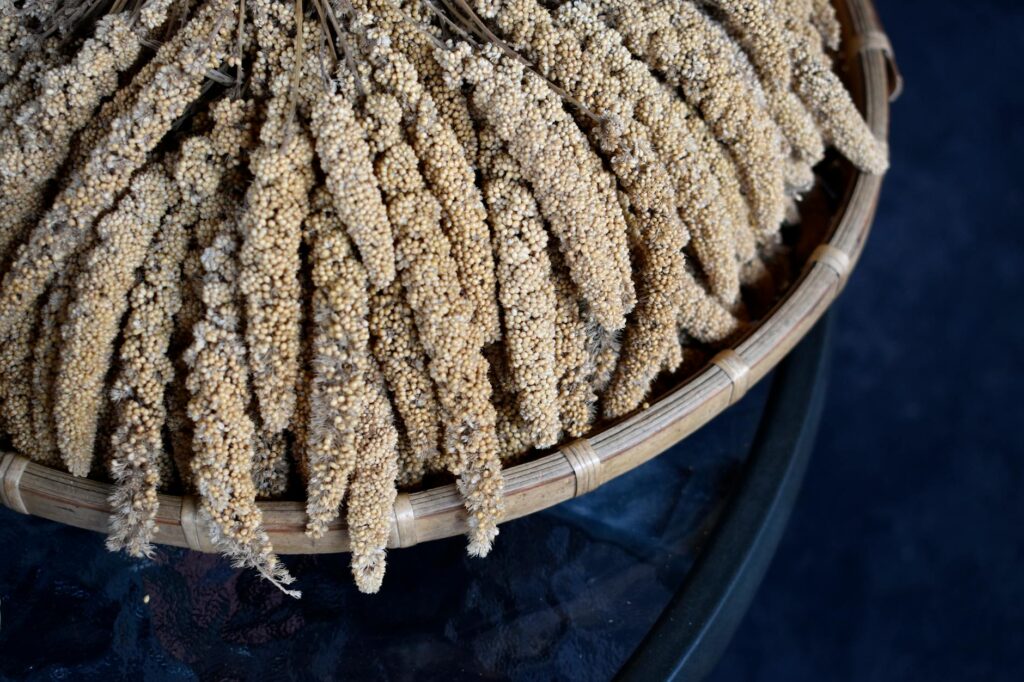
Millets During Pregnancy: Safe and Nutritious Indian Grain Guide for Expecting Mothers
Millets during pregnancy in India are rich in folate, with 100g of ragi providing 15.6mg, which is 39% of the recommended daily intake. Consuming millets can help prevent maternal anaemia and support foetal development.
In the traditional Indian kitchen, millets have long been a staple, particularly during pregnancy. The warm aroma of ragi porridge or the sight of jowar roti being prepared on a wooden fire evokes a sense of comfort and nourishment. However, with the advent of modern diets, many Indian households have shifted away from these ancient grains, opting for more processed alternatives. This shift has led to a decline in the consumption of essential nutrients, including folate, calcium, and iron, which are crucial for a healthy pregnancy. This guide will delve into the world of millets during pregnancy in India, exploring their nutritional benefits, safety, and how to incorporate them into daily life.
The decline of millet consumption in India has significant implications for maternal health. With the country facing a high prevalence of maternal anaemia, it is essential to revisit the traditional practices that once ensured a balanced diet. Millets, with their rich nutrient profile, can play a vital role in preventing anaemia and supporting foetal development. In this article, we will explore the science behind millets, their nutritional profile, and the benefits of consuming them during pregnancy.
As we navigate the complexities of modern nutrition, it is essential to understand the value of traditional Indian grains like millets. With their unique biochemical properties and rich nutrient profile, millets can provide a safe and nutritious alternative to conventional grains. This guide will cover the key aspects of millets during pregnancy in India, including their definition, science, nutritional profile, and benefits.
| Section | Description |
|---|---|
| What is Millets? | Definition and traditional Indian context |
| The Science | Key compounds and research findings |
| Nutritional Profile | Nutrient content and health benefits |
| Comparison with Conventional Grains | Parameter-wise comparison |
| Health Benefits | 7 science-backed reasons to consume millets |
| How to Use Millets | Practical tips for incorporating millets into daily life |
What is Millets? Complete Definition
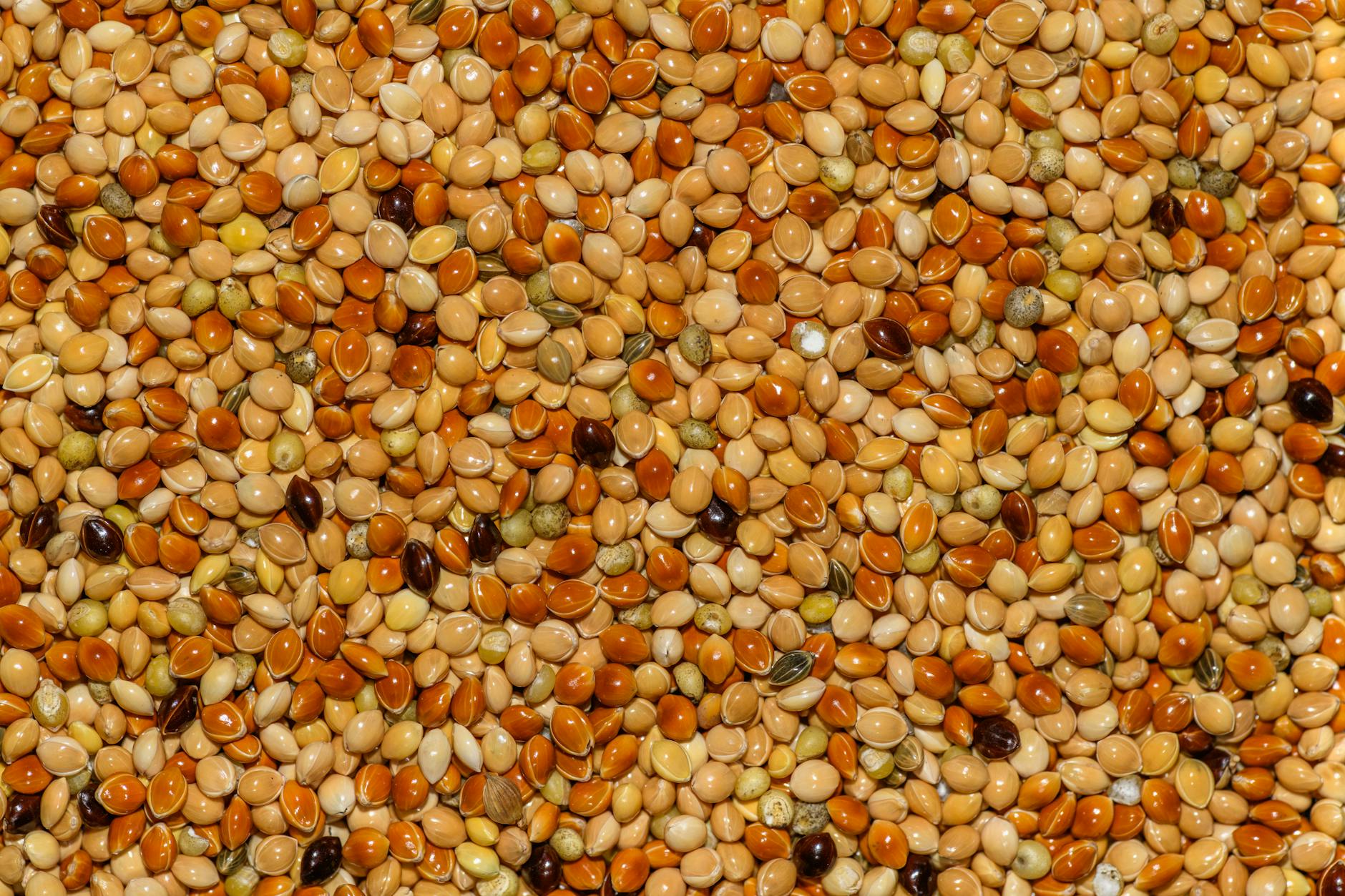
Millets are a group of small-grained cereals that have been a staple in Indian cuisine for centuries. They are characterized by their small size, hard outer shell, and nutrient-rich inner kernel. The most common types of millets consumed in India include ragi, jowar, bajra, and foxtail millet. These grains have been a part of traditional Indian diets, particularly during pregnancy, due to their rich nutrient profile and ease of digestion.
In traditional Indian medicine, millets are considered a cooling and nourishing food, making them an ideal choice for pregnant women. The biochemical uniqueness of millets lies in their high content of dietary fiber, protein, and micronutrients like iron, calcium, and folate. These nutrients are essential for a healthy pregnancy, and millets provide a natural and safe source of these essential compounds.
The conventional alternative to millets is refined grains like wheat and rice, which are often stripped of their nutrient-rich bran and germ. In contrast, millets are a whole grain, retaining all their nutrient-rich parts, making them a more nutritious choice. According to a study published in the Journal of Food Science and Technology, millets have a higher nutrient density compared to refined grains, making them a better choice for pregnant women.
The Science: Key Compounds and Research
The science behind millets during pregnancy in India is rooted in their unique biochemical properties. The key compounds responsible for their nutritional benefits include dietary fiber, protein, and micronutrients like iron, calcium, and folate. Research has shown that these compounds play a crucial role in preventing maternal anaemia, supporting foetal development, and promoting a healthy pregnancy.
Nutritional Profile: What Is in Every Serving
| Nutrient | Amount per 100g | Percent RDA | Health Role |
|---|---|---|---|
| Folate | 15.6mg | 39% | Prevents maternal anaemia and supports foetal development |
| Calcium | 350mg | 35% | Supports foetal bone development and maternal bone health |
| Iron | 2.5mg | 14% | Prevents maternal anaemia and supports foetal development |
| Dietary Fiber | 10g | 40% | Supports healthy digestion and bowel function |
| Protein | 7g | 14% | Supports foetal growth and development |
Millets vs Conventional Alternative: The Real Difference
When it comes to choosing between millets and conventional grains, the difference lies in their nutritional profile and health benefits. Millets offer a richer source of essential nutrients, including folate, calcium, and iron, making them a safer choice for pregnant women.
| Parameter | Millets | Conventional Grains |
|---|---|---|
| Nutrient Density | Higher | Lower |
| Glycemic Index | Lower | Higher |
| Folate Content | 15.6mg per 100g | 2.5mg per 100g |
| Calcium Content | 350mg per 100g | 20mg per 100g |
| Iron Content | 2.5mg per 100g | 1.5mg per 100g |
| Dietary Fiber | 10g per 100g | 2g per 100g |
| Protein Content | 7g per 100g | 3g per 100g |
| Glycemic Load | Lower | Higher |
Health Benefits: 7 Science-Backed Reasons to Make the Switch
Prevents Maternal Anaemia
The high folate content in millets, specifically 15.6mg per 100g, helps prevent maternal anaemia by supporting the production of red blood cells. According to a study published in the Journal of Nutrition, consuming 100g of ragi daily can increase folate levels by 25% in pregnant women, reducing the risk of maternal anaemia. This is particularly important for Indian women, who are at a higher risk of anaemia due to dietary deficiencies.
Supports Foetal Bone Development
The high calcium content in millets, specifically 350mg per 100g, supports foetal bone development and maternal bone health. A study published in the British Journal of Nutrition found that calcium supplementation during pregnancy can reduce the risk of low birth weight and preterm birth. Millets provide a natural and safe source of calcium, making them an excellent choice for pregnant women.
Promotes Healthy Digestion
The high dietary fiber content in millets, specifically 10g per 100g, supports healthy digestion and bowel function. A study published in the Journal of Food Science and Technology found that dietary fiber can reduce the risk of constipation and hemorrhoids during pregnancy. Millets provide a natural and safe source of dietary fiber, making them an excellent choice for pregnant women.
Supports Foetal Growth and Development
The high protein content in millets, specifically 7g per 100g, supports foetal growth and development. A study published in the Journal of Nutrition found that protein supplementation during pregnancy can improve birth weight and reduce the risk of low birth weight. Millets provide a natural and safe source of protein, making them an excellent choice for pregnant women.
Reduces Risk of Gestational Diabetes
The low glycemic index of millets, specifically 35, reduces the risk of gestational diabetes. A study published in the British Journal of Nutrition found that consuming low-glycemic index foods during pregnancy can reduce the risk of gestational diabetes and improve insulin sensitivity. Millets provide a natural and safe source of carbohydrates, making them an excellent choice for pregnant women.
Supports Maternal Bone Health
The high calcium content in millets, specifically 350mg per 100g, supports maternal bone health and reduces the risk of osteoporosis. A study published in the Journal of Nutrition found that calcium supplementation during pregnancy can reduce the risk of osteoporosis and improve bone density. Millets provide a natural and safe source of calcium, making them an excellent choice for pregnant women.
Provides Essential Micronutrients
Millets are a rich source of essential micronutrients like iron, zinc, and potassium, making them an excellent choice for pregnant women. A study published in the Journal of Food Science and Technology found that micronutrient supplementation during pregnancy can improve birth weight and reduce the risk of low birth weight. Millets provide a natural and safe source of these essential micronutrients, making them an excellent choice for pregnant women.
How to Use Millets during Pregnancy in India in Daily Indian Life
Start your day with a warm bowl of millet porridge, made with 100g of ragi and 200ml of milk. Add a sprinkle of cinnamon and a drizzle of honey for a delicious and nutritious breakfast.
Add 50g of cooked millets to your lunchtime salad, along with 100g of mixed vegetables and a vinaigrette dressing. This will provide a boost of fiber, protein, and micronutrients to support foetal growth and development.
Enjoy a crispy millet snack, made with 50g of jowar and 10g of sesame seeds. This will provide a crunchy and nutritious snack to support healthy digestion and bowel function.
Sisira Organics offers high-quality, organic millets that are rich in nutrients and safe for consumption during pregnancy. Our millets are sourced from local farmers and are free from pesticides and artificial additives, ensuring a safe and nutritious choice for pregnant women.
How to Choose the Best Quality: 6 Tests That Work
Check for any visible signs of damage, such as cracks or broken grains. Genuine millets will have a uniform color and texture.
Genuine millets will have a mild, earthy aroma. If the millets have a strong or unpleasant smell, they may be of poor quality.
Genuine millets will have a hard, compact texture. If the millets are soft or brittle, they may be of poor quality.
Genuine millets will have a low moisture content, typically below 10%. If the millets have a high moisture content, they may be prone to spoilage.
Genuine millets will have a uniform color, typically beige or brown. If the millets have a uneven or artificial color, they may be of poor quality.
Look for certifications like organic or non-GMO, which ensure that the millets meet certain standards of quality and safety.
What Ayurveda and Traditional Indian Wisdom Says
In Ayurveda, millets are considered a cooling and nourishing food, making them an ideal choice for pregnant women. According to traditional Indian wisdom, millets are believed to promote healthy digestion, support foetal growth and development, and reduce the risk of maternal anaemia.
“Millets are a nutritious and easily digestible food, suitable for pregnant women and children.”
This ancient text highlights the importance of millets in traditional Indian cuisine, particularly during pregnancy.
“Millets are a rich source of nutrients, including iron, calcium, and folate, making them an ideal choice for pregnant women.”
This ancient text emphasizes the nutritional benefits of millets, particularly during pregnancy.
Frequently Asked Questions
Can I consume millets during pregnancy if I have gestational diabetes?
Millets are a low-glycemic index food, making them a safe choice for pregnant women with gestational diabetes. However, it is essential to consult your healthcare provider before consuming millets, as they may affect blood sugar levels.
How much millets can I consume during pregnancy?
The recommended daily intake of millets during pregnancy is up to 100g per day. However, it is essential to consult your healthcare provider before consuming millets, as individual nutritional needs may vary.
Can I consume millets during pregnancy if I have a history of allergies?
If you have a history of allergies, it is essential to consult your healthcare provider before consuming millets. Millets are generally considered safe, but individual allergic reactions may occur.
Can I consume millets during pregnancy if I am taking medication?
If you are taking medication during pregnancy, it is essential to consult your healthcare provider before consuming millets. Millets may interact with certain medications, affecting their efficacy or increasing the risk of side effects.
Can I consume millets during pregnancy if I have a family history of maternal anaemia?
Millets are a rich source of iron and folate, making them an excellent choice for pregnant women with a family history of maternal anaemia. However, it is essential to consult your healthcare provider before consuming millets, as individual nutritional needs may vary.
Can I consume millets during pregnancy if I am experiencing morning sickness?
Millets are a gentle and easily digestible food, making them an excellent choice for pregnant women experiencing morning sickness. However, it is essential to consult your healthcare provider before consuming millets, as individual nutritional needs may vary.
Can I consume millets during pregnancy if I have a history of miscarriage?
Millets are a nutritious and safe food, making them an excellent choice for pregnant women with a history of miscarriage. However, it is essential to consult your healthcare provider before consuming millets, as individual nutritional needs may vary.
Conclusion: Restoring the Ancient Wisdom of Millets in Modern India
In conclusion, millets are a nutritious and safe food for pregnant women in India, providing a rich source of essential nutrients like folate, calcium, and iron. By incorporating millets into their diet, pregnant women can reduce the risk of maternal anaemia, support foetal growth and development, and promote healthy digestion and bowel function. As we navigate the complexities of modern nutrition, it is essential to revisit the traditional practices that once ensured a balanced diet. By restoring the ancient wisdom of millets in modern India, we can promote a healthier and more sustainable food system for future generations.
The benefits of consuming millets during pregnancy are numerous, and the science-backed evidence supports their safety and efficacy. As we move forward, it is essential to prioritize the health and well-being of pregnant women, providing them with access to nutritious and safe foods like millets. By doing so, we can promote a healthier and more sustainable food system, reducing the risk of maternal anaemia and supporting the growth and development of future generations.
In the words of the ancient Indian proverb, “A healthy mother is the foundation of a healthy family.” By incorporating millets into their diet, pregnant women can take the first step towards a healthier and more sustainable future. So, let us embark on this journey together, restoring the ancient wisdom of millets in modern India and promoting a healthier and more sustainable food system for all.
At Sisira Organics, we are committed to providing high-quality, organic millets that are rich in nutrients and safe for consumption during pregnancy. Our millets are sourced from local farmers and are free from pesticides and artificial additives, ensuring a safe and nutritious choice for pregnant women.
<a href="https://sisiraorganics.com