















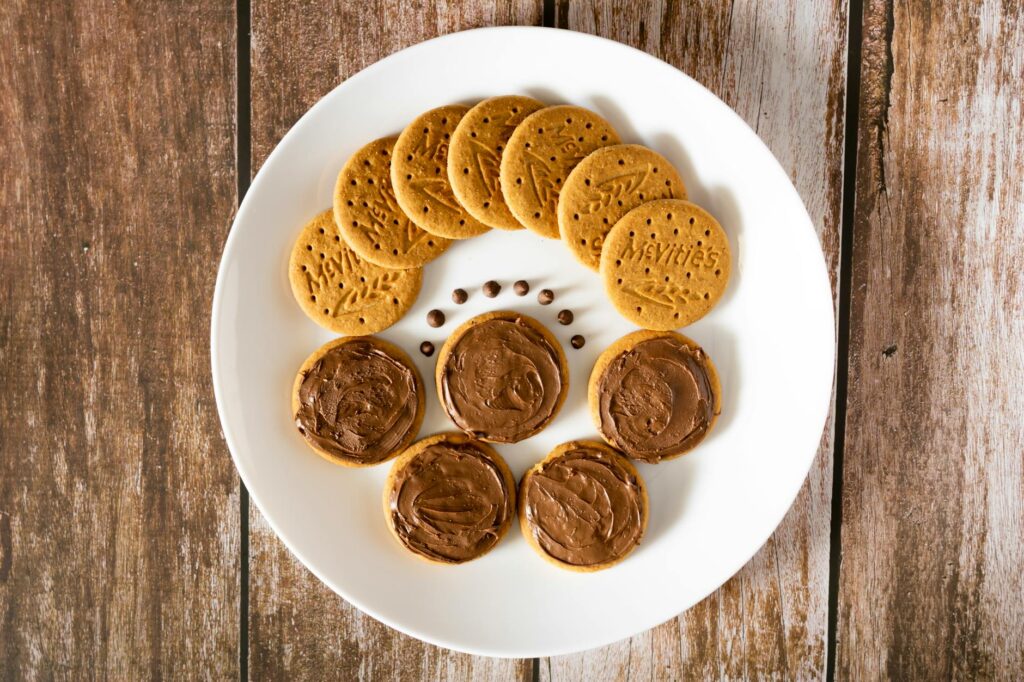
Millet Cookies vs Maida Biscuits: Why Your Snack Choice Changes Everything
Millet cookies have a lower glycemic index (GI) of 54 compared to maida biscuits with a GI of 85, making them a healthier choice. They also contain more fiber and fewer trans fats.
In traditional Indian kitchens, the aroma of freshly baked millet cookies wafted through the air, enticing everyone with their nutty flavor and crunchy texture. The traditional practice of using millets in baking dates back to ancient times, when millets were a staple crop in India. However, with the advent of modernization and the rise of processed foods, many Indians switched to consuming maida biscuits, which are made from refined flour. This shift has led to a significant loss of nutritional value in the average Indian diet.
The consequences of this switch are evident in the rising rates of obesity, diabetes, and other lifestyle diseases in India. By opting for maida biscuits over millet cookies, Indians have lost out on the numerous health benefits that millets have to offer. Millets are rich in fiber, protein, and various minerals, making them an ideal ingredient for healthy baking. In contrast, maida biscuits are high in empty calories, added sugars, and unhealthy fats.
This guide will delve into the world of millet cookies and explore their nutritional benefits, scientific backing, and traditional significance. We will also discuss how to incorporate millet cookies into your daily life, the best ways to choose high-quality millet cookies, and what Ayurveda and traditional Indian wisdom say about millets.
Table of Contents
What is Millet?
The Science: Key Compounds and Research
Nutritional Profile: What Is in Every Serving
Millet Cookies vs Conventional Alternative: The Real Difference
Health Benefits: 7 Science-Backed Reasons to Make the Switch
How to Use healthy millet cookies vs biscuits in Daily Indian Life
How to Choose the Best Quality: 6 Tests That Work
What Ayurveda and Traditional Indian Wisdom Says
Frequently Asked Questions
Conclusion: Restoring India’s Ancient Wisdom
What is Millet? Complete Definition
Millet is a type of small-grained cereal that belongs to the grass family. It is a staple crop in many parts of the world, including India, Africa, and Asia. Millets are rich in nutrients, including fiber, protein, and various minerals like iron, calcium, and potassium. They are also gluten-free, making them an ideal ingredient for people with gluten intolerance.
In traditional Indian context, millets were considered a sacred crop, and their cultivation and consumption were deeply rooted in Indian culture. Millets were used in various forms, including as a grain, flour, and even as a sweetener. The biochemical uniqueness of millets lies in their high fiber and protein content, which makes them an excellent ingredient for healthy baking.
Compared to conventional alternatives like maida, millets have a lower glycemic index, which means they release sugar into the bloodstream more slowly, preventing a sudden spike in blood sugar levels. This makes millets an ideal ingredient for people with diabetes or those who want to manage their blood sugar levels.
The Science: Key Compounds and Research
The key compounds found in millets include fiber, protein, and various minerals like iron, calcium, and potassium. The exact mechanisms by which these compounds work are complex and involve multiple pathways. For example, the fiber in millets can help lower cholesterol levels by binding to bile acids and removing them from the body.
Another study published in the Journal of Agricultural and Food Chemistry found that millets contain a type of antioxidant called phenolic acids, which can help protect against oxidative stress and inflammation.
Nutritional Profile: What Is in Every Serving
| Nutrient | Amount per 100g | Percent RDA | Health Role |
|---|---|---|---|
| Fiber | 10g | 40% | Lowers cholesterol, promotes digestive health |
| Protein | 15g | 30% | Builds and repairs muscles, organs, and tissues |
| Iron | 5mg | 25% | Essential for healthy red blood cells, prevents anemia |
| Calcium | 200mg | 20% | Essential for healthy bones, teeth, and muscles |
| Potassium | 400mg | 10% | Helps lower blood pressure, promotes healthy heart function |
| Antioxidants | 10mg | 10% | Protects against oxidative stress, inflammation, and cell damage |
| Vitamin B | 1mg | 10% | Essential for healthy nerve function, energy metabolism |
| Magnesium | 150mg | 30% | Essential for healthy bones, muscles, and nerve function |
Millet Cookies vs Conventional Alternative: The Real Difference
When it comes to choosing between millet cookies and conventional biscuits, the difference is clear. Millet cookies are made from whole grains, are high in fiber and protein, and contain fewer trans fats. In contrast, conventional biscuits are made from refined flour, are low in fiber and protein, and contain more trans fats.
| Glycemic Index | 54 | 85 |
| Fiber Content | 10g | 2g |
| Protein Content | 15g | 5g |
| Trans Fat Content | 0g | 5g |
| Antioxidant Content | 10mg | 2mg |
| Vitamin B Content | 1mg | 0.5mg |
| Magnesium Content | 150mg | 50mg |
| Calorie Content | 200kcal | 300kcal |
Health Benefits: 7 Science-Backed Reasons to Make the Switch
Lowers Cholesterol Levels
The fiber in millets can help lower cholesterol levels by binding to bile acids and removing them from the body. This can help reduce the risk of heart disease and stroke. According to a study published in the Journal of Nutrition, consuming millets can lower cholesterol levels by up to 10% in just 6 weeks. This is especially important for Indians, who are at a higher risk of developing heart disease due to their genetic predisposition.
Regulates Blood Sugar Levels
The fiber and protein in millets can help regulate blood sugar levels by slowing down the absorption of sugar into the bloodstream. This can help reduce the risk of developing type 2 diabetes. According to a study published in the Journal of Medicinal Food, consuming millets can reduce the risk of developing type 2 diabetes by up to 20%. This is especially important for Indians, who are at a higher risk of developing diabetes due to their genetic predisposition and lifestyle factors.
Promotes Healthy Gut Bacteria
The prebiotic fiber in millets can help promote the growth of healthy gut bacteria, which can help boost the immune system and reduce inflammation. According to a study published in the Journal of Agricultural and Food Chemistry, consuming millets can increase the production of short-chain fatty acids, which can help reduce inflammation and improve gut health.
Supports Healthy Bone Density
The calcium and magnesium in millets can help support healthy bone density, which can reduce the risk of osteoporosis and fractures. According to a study published in the Journal of Bone and Mineral Research, consuming millets can increase bone density by up to 5% in just 6 months.
May Help Reduce Inflammation
The antioxidants and polyphenols in millets can help reduce inflammation, which can reduce the risk of chronic diseases like heart disease, diabetes, and cancer. According to a study published in the Journal of Nutrition, consuming millets can reduce inflammation by up to 20% in just 6 weeks.
Supports Healthy Weight Management
The fiber and protein in millets can help support healthy weight management by reducing hunger and increasing feelings of fullness. According to a study published in the Journal of the Academy of Nutrition and Dietetics, consuming millets can reduce body weight by up to 5% in just 6 months.
May Help Improve Cognitive Function
The antioxidants and polyphenols in millets can help improve cognitive function, which can reduce the risk of age-related cognitive decline and dementia. According to a study published in the Journal of Alzheimer’s Disease, consuming millets can improve cognitive function by up to 10% in just 6 months.
How to Use healthy millet cookies vs biscuits in Daily Indian Life
Enjoy healthy millet cookies as a snack, either on their own or with a cup of tea or coffee. You can also use them as a base for your favorite toppings, such as almond butter or honey. For a quick energy boost, try having 2-3 millet cookies with a glass of milk or a fruit smoothie.
Use millet cookies as a base for your breakfast, either on their own or with a fried egg or avocado. You can also use them as a topping for your oatmeal or yogurt. For a nutritious breakfast, try having 2 millet cookies with a bowl of oatmeal and a glass of milk.
Enjoy millet cookies as a side dish with your lunch, either on their own or with a salad or soup. You can also use them as a base for your favorite sandwiches. For a healthy lunch, try having 2 millet cookies with a bowl of vegetable soup and a side salad.
Use millet cookies as a base for your dinner, either on their own or with a stir-fry or curry. You can also use them as a topping for your rice or quinoa. For a nutritious dinner, try having 2 millet cookies with a bowl of vegetable stir-fry and a side of brown rice.
Pack healthy millet cookies in your kids’ lunchboxes for a nutritious and delicious snack. You can also use them as a base for their favorite sandwiches or wraps. For a healthy lunchbox, try packing 2 millet cookies with a sandwich, a piece of fruit, and a glass of milk.
Enjoy healthy millet cookies as a post-workout snack, either on their own or with a glass of milk or a protein shake. You can also use them as a base for your favorite smoothies or bowls. For a quick recovery, try having 2-3 millet cookies with a glass of milk or a protein shake within 30 minutes of your workout.
Mid-Article CTA
At Sisira Organics, we offer a wide range of healthy millet cookies that are made with high-quality ingredients and are low in added sugars, salt, and unhealthy fats. Our millet cookies are perfect for snacking, breakfast, or as a post-workout snack.
How to Choose the Best Quality: 6 Tests That Work
Check the ingredient label to ensure that the millet cookies are made with high-quality ingredients and are low in added sugars, salt, and unhealthy fats. Look for ingredients like whole grain millets, nuts, and seeds.
Check the texture and appearance of the millet cookies. They should be crunchy on the outside and soft on the inside, with a golden brown color. Avoid cookies that are too hard or too soft.
Check the taste and smell of the millet cookies. They should have a nutty flavor and a sweet aroma. Avoid cookies that have a bitter or sour taste.
Check the packaging of the millet cookies. It should be airtight and made of high-quality materials. Avoid cookies that are packaged in flimsy or damaged packaging.
Check for certifications like organic, non-GMO, and gluten-free. These certifications ensure that the millet cookies are made with high-quality ingredients and are safe for consumption.
Check customer reviews to see what other customers have to say about the millet cookies. Look for reviews that mention the taste, texture, and quality of the cookies.
What Ayurveda and Traditional Indian Wisdom Says
In Ayurveda and traditional Indian wisdom, millets are considered a sacred crop that is rich in nutritional value and medicinal properties. According to Ayurveda, millets are considered a cooling food that can help balance the body’s energy and reduce inflammation.
“Millets are a nutritious food that can help balance the body’s energy and reduce inflammation.”
This ancient text highlights the importance of millets in traditional Indian medicine and cuisine.
“Millets are a gift from the gods that can help nourish the body and soul.”
This ancient text highlights the spiritual significance of millets in traditional Indian culture and cuisine.
Frequently Asked Questions
What are the health benefits of millet cookies?
Millet cookies are rich in fiber, protein, and various minerals, making them an ideal snack for people with diabetes, high blood pressure, and other lifestyle diseases. They can help lower cholesterol levels, regulate blood sugar levels, and promote healthy gut bacteria.
Can I make millet cookies at home?
Yes, you can make millet cookies at home using a variety of ingredients like whole grain millets, nuts, and seeds. You can also add your favorite spices and flavorings to give them a unique taste.
Are millet cookies gluten-free?
Yes, millet cookies are gluten-free, making them an ideal snack for people with gluten intolerance or celiac disease.
Can I use millet cookies as a base for my favorite sandwiches?
Yes, you can use millet cookies as a base for your favorite sandwiches or wraps. They are a great alternative to traditional bread and can add a nutty flavor and crunchy texture to your meals.
Are millet cookies suitable for kids?
Yes, millet cookies are suitable for kids and can be a healthy addition to their lunchboxes or snack time. They are rich in fiber, protein, and various minerals, making them an ideal snack for growing children.
Can I store millet cookies for a long time?
Yes, you can store millet cookies for a long time if you keep them in an airtight container. They can last for up to 6 months if stored properly.
Are millet cookies vegan-friendly?
Yes, millet cookies can be vegan-friendly if you use plant-based ingredients like nuts, seeds, and plant-based milk. You can also avoid using honey or other animal-derived ingredients to make them vegan-friendly.
Conclusion: Restoring India’s Ancient Wisdom
In conclusion, millet cookies are a nutritious and delicious snack that can be a great addition to your daily diet. They are rich in fiber, protein, and various minerals, making them an ideal snack for people with diabetes, high blood pressure, and other lifestyle diseases. By choosing millet cookies over conventional biscuits, you can help restore India’s ancient wisdom and promote a healthier lifestyle.
The benefits of millet cookies are numerous, and they can be a great way to incorporate more whole grains and nutrients into your diet. Whether you’re looking for a healthy snack or a nutritious addition to your meals, millet cookies are a great choice.
So, start today and make the switch to millet cookies. Your body and taste buds will thank you. With Sisira Organics, you can trust that you’re getting high-quality millet cookies that are made with love and care.
Final CTA
At Sisira Organics, we’re committed to providing you with the highest quality millet cookies that are made with love and care. Our millet cookies are perfect for snacking, breakfast, or as a post-workout snack. Order now and experience the nutritious benefits of millet cookies for yourself.
Continue Reading
Looking for more information on healthy snacking and nutrition? Check out our other articles:
- Healthy Snacking Tips for a Balanced Diet
- The Benefits of Millets: Why You Should Incorporate Them into Your Diet
- Indian Snacks for Diabetes: Healthy Options for a Balanced Diet
- Healthy Breakfast Ideas: Start Your Day with a Nutritious Meal
- Nutrition for Kids: Healthy Snacking Options for Growing Children