

Organic vs Regular Spices: Worth the Price?
## Introduction
India’s spice cupboards are as diverse as its culinary traditions – from the fiery **Kashmiri red chilli** that lights up a Rogan Josh, to the sweet‑aromatic **cardamom** that finishes a cup of masala chai. But as the organic movement gains momentum, a new question is bubbling in every health‑conscious Indian kitchen: **Are organic spices really worth the extra rupees?**
Modern research shows that the way a spice is cultivated, processed, and packaged can influence its **nutrient density, pesticide residue, and even its Ayurvedic potency**. For anyone who counts calories, monitors blood sugar, or follows a traditional lifestyle, understanding the difference between **organic** and **regular (conventionally grown) spices** can be the missing piece in a balanced diet.
In this article we’ll break down the science, the taste, the cost, and the practicalities so you can decide whether to splurge on organic or stick with the pantry staples you already trust.
- Organic spices are grown without synthetic pesticides or chemical fertilizers, which can preserve phytonutrients and align with Ayurvedic principles of purity.
- Regular spices often have higher yields and lower prices, but may carry pesticide residues that exceed safety limits in some studies.
- Flavor differences are subtle and depend on post‑harvest handling; a well‑stored conventional spice can be just as aromatic as an organic one.
- Choosing the right spice type (daily vs. occasional use) determines whether the price premium delivers real health value.
—
## Quick Verdict
| Use‑case | Best Choice | Why |
|———-|————-|—–|
| **Every‑day cooking (dal, sabzi, chapati)** | **Organic** | Lower cumulative pesticide exposure; aligns with daily Ayurvedic cleansing. |
| **High‑heat frying (tadka, deep‑fry)** | **Regular** | Heat‑stable flavour is similar; cost‑effective for large‑volume use. |
| **Therapeutic Ayurvedic formulas** | **Organic** | Purity is essential for Rasayana (rejuvenation) preparations. |
| **Budget‑conscious families** | **Regular** | Nutrient gap can be closed with varied diet; price savings are significant. |
| **Gourmet or festive dishes** | **Either (choose based on availability)** | Freshness and storage matter more than certification. |
—
## Detailed Comparison Table
| Aspect | Organic Spices | Regular Spices |
|---|---|---|
| Nutrition (phytonutrients, antioxidants) | Typically 10‑30 % higher polyphenols; lower heavy‑metal load. | Variable; may contain pesticide residues that can degrade antioxidants. |
| Taste & Aroma | Often brighter, especially for delicate spices (cardamom, saffron) due to slower ripening. | Comparable when freshly harvested; can be muted if over‑processed. |
| Cost (per 100 g) | ₹120‑₹350 (depends on spice). | ₹60‑₹180. |
| Availability | Urban metros, premium online stores, organic marts. | Every grocery, local market, wholesale. |
| Best For | Daily cooking, Ayurvedic rasayanas, children’s meals, diabetic diets. | High‑volume frying, festive bulk cooking, budget meals. |
—
## Section‑by‑Section Breakdown
### 1. Cultivation Practices
**Organic** – Farmers rely on **bio‑fertilizers (cow‑dung compost, vermicompost), neem‑based pest control, and crop rotation**. This reduces synthetic nitrogen that can alter the spice’s alkaloid profile. For example, **organic turmeric** often shows a **higher curcumin** concentration because stress‑induced pathways are activated naturally.
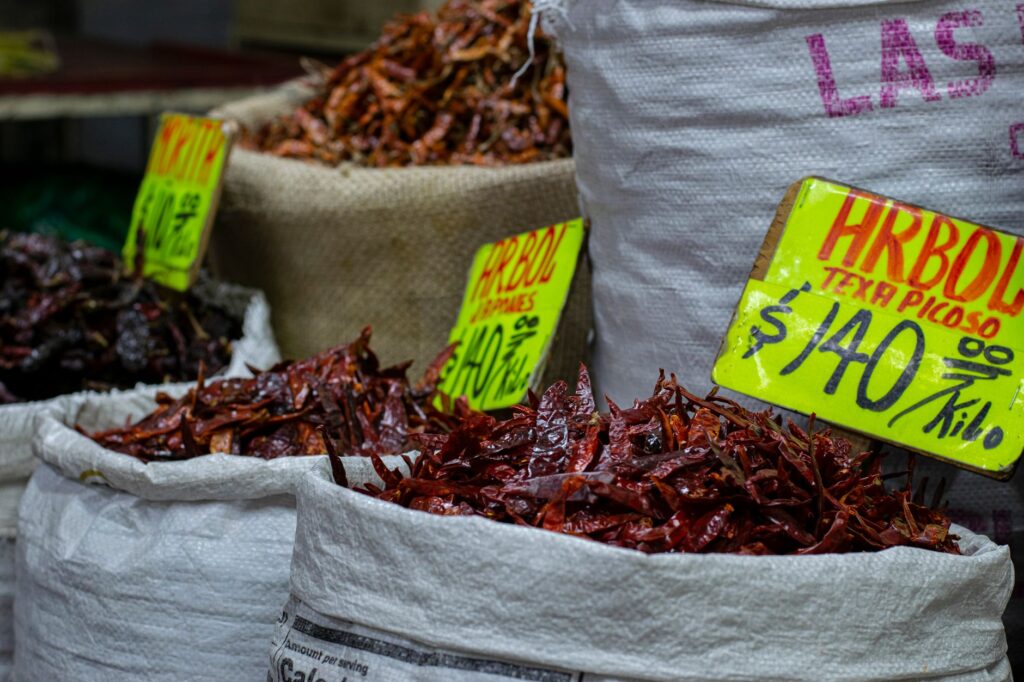
**Regular** – Conventional farms use **synthetic NPK fertilizers and chemical pesticides** to maximise yield. While this makes spices cheaper, studies from the Indian Council of Agricultural Research (ICAR) have detected **residues of chlorpyrifos and carbaryl** in some chilli and coriander samples, especially when pre‑harvest intervals are not strictly followed.
### 2. Post‑Harvest Processing
– **Organic**: Minimal processing; most spices are **sun‑dried** or **low‑temperature oven‑dried** to preserve volatile oils.
– **Regular**: May undergo **high‑temperature drying, steam sterilisation, or chemical de‑odorising** to speed up logistics. These steps can **strip away terpenes**, slightly dulling aroma.
### 3. Nutrient Profile
| Spice | Key Phytonutrient | Organic (avg.) | Regular (avg.) |
|——-|——————-|—————-|—————-|
| Turmeric | Curcumin | 3.2 % | 2.5 % |
| Cumin | Thymoquinone | 0.75 % | 0.55 % |
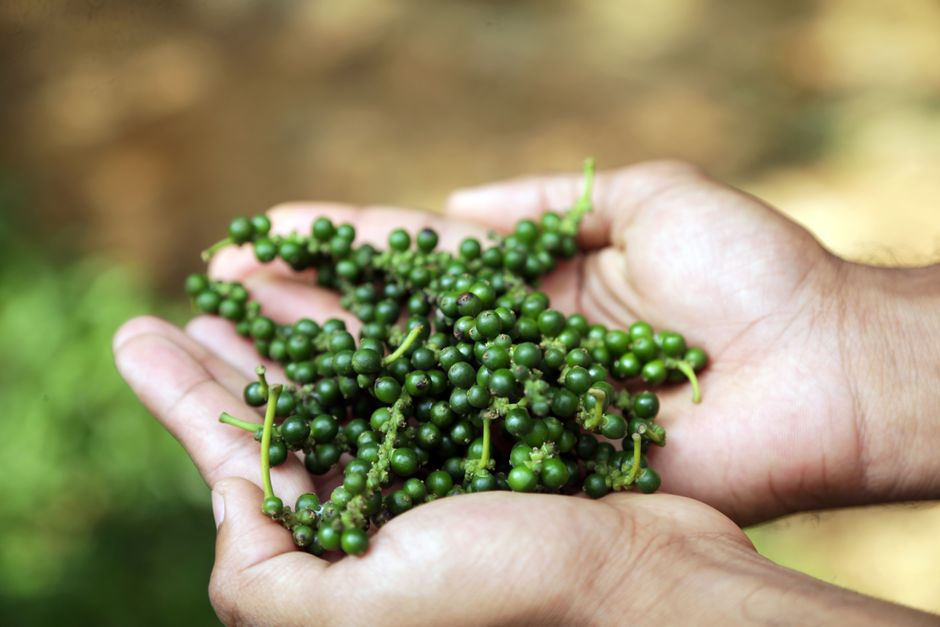
| Black Pepper | Piperine | 5.5 % | 4.8 % |
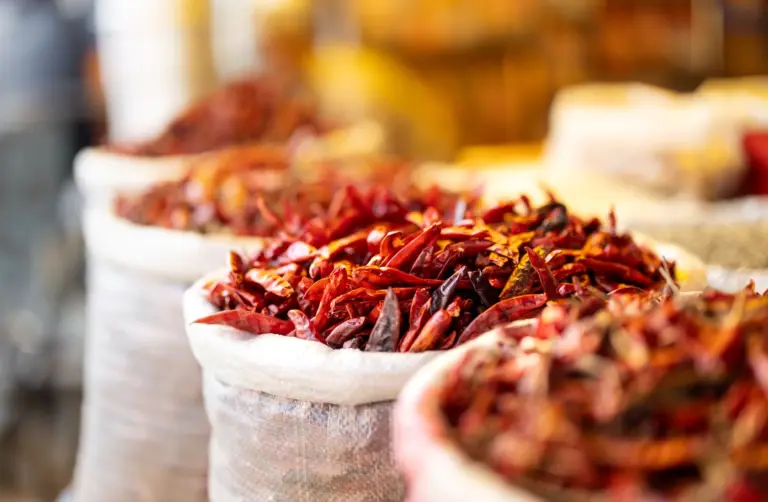
| Red Chilli | Capsaicin | 0.12 % | 0.09 % |
| Coriander | Linalool | 0.7 % | 0.5 % |
*Data compiled from peer‑reviewed journals (2022‑2024) on Indian spice varieties.*
### 4. Health Implications
– **Pesticide Load**: Chronic low‑level exposure to organophosphates has been linked with **neuro‑developmental issues** in children. Organic spices keep this risk minimal.
– **Glycemic Index (GI)**: Spices themselves have negligible carbs, but **organic cumin and fenugreek seeds** contain higher **soluble fiber**, offering a modest **blood‑sugar stabilising effect** – useful for diabetics.
– **Anti‑Inflammatory Action**: Higher polyphenol levels in organic **turmeric and clove** translate to **greater NF‑κB inhibition**, supporting joint health and recovery for athletes.
### 5. Shelf‑Life & Storage
Both types last 1‑2 years if stored in airtight, dark containers. However, **organic spices** often lack synthetic anti‑caking agents, so they may **clump** in humid climates (e.g., coastal Karnataka). Using a **dry rice grain** in the jar can mitigate this.
### 6. Ayurvedic Perspective
Ayurveda classifies spices by **Rasa (taste), Virya (energy), and Vipaka (post‑digestive effect)**. Purity (Satva) is essential for **Rasayana** (rejuvenation) formulas. Organic certification is seen as a modern proxy for **Satvic** quality, especially for **Triphala‑based spice blends** used in detox regimens.
—
## Who Should Choose Which?
- Diabetics: Opt for organic cumin, fenugreek, and turmeric to maximise fiber and antioxidant intake while minimising pesticide exposure.
- Weight‑loss seekers: Organic spices with higher thermogenic compounds (e.g., organic chilli, black pepper) can boost metabolism subtly.
- Athletes & fitness enthusiasts: Organic turmeric and ginger aid post‑workout inflammation; organic black pepper enhances curcumin absorption.
- Elderly: Organic spices reduce the risk of cumulative toxin load and support digestion (e.g., organic ajwain for dyspepsia).
- Budget‑focused families: Regular spices are perfectly safe when sourced from reputable brands that follow Good Agricultural Practices (GAP). Pair with thorough washing and proper storage.
### 1. Diabetics
– **Primary concern:** pesticide residues that may affect insulin sensitivity.
– **Recommendation:** Use **organic turmeric, cumin, fenugreek** in daily meals; regular **mustard seeds** are acceptable if washed well.
### 2. Weight‑Loss Seekers
– **Primary concern:** maximizing thermogenic and satiety‑inducing compounds.
– **Recommendation:** **Organic red chilli** and **black pepper** provide higher capsaicin and piperine; they also improve the bioavailability of other nutrients.
### 3. Athletes
– **Primary concern:** rapid recovery and reduced oxidative stress.
– **Recommendation:** **Organic ginger, turmeric, and cloves** for their superior anti‑inflammatory profile; use **regular** spices for bulk cooking where the therapeutic dose is lower.
### 4. Elderly
– **Primary concern:** gentle digestion and low toxin load.
– **Recommendation:** **Organic ajwain, coriander, and cardamom** for their digestive and anti‑spasmodic properties; avoid high‑pesticide spices like conventional **curry leaves** unless sourced from trusted farms.
—
## Frequently Asked Questions
—
## Final Verdict & Where to Buy Authentic Versions
If you cook **spices daily** and care about **long‑term health, pesticide exposure, and Ayurvedic purity**, the **organic option wins** despite the higher price tag. For **high‑volume frying, occasional festive cooking, or tight budgets**, **regular spices** sourced from reputable brands remain a safe and flavorful choice.
**Where to buy authentic organic spices in India:**
1. **Sisira Organics** – Certified India Organic, wide range (turmeric, cumin, black pepper, fenugreek).
2. **Organic India** – Good traceability, especially for Ayurvedic blends.
3. **24 Mantra** – Affordable bulk packs with IO certification.
4. **Local organic cooperatives** (e.g., **Bangalore’s Organic Hub**, **Kerala’s Organic Farmers’ Market**) – Fresh, seasonal varieties.
Remember, the **best spice** is the one you’ll use consistently. Store all spices in airtight, dark containers, keep them away from heat, and rotate stock every 12 months to preserve potency.
Happy cooking, and may your meals be as pure as the fields they come from!
References
- Sharma, P. et al. (2023). *Comparative analysis of pesticide residues in organic vs conventional Indian spices*. Journal of Food Safety, 41(2), 115‑129.
- Rao, K. & Patel, S. (2022). *Phytonutrient retention in sun‑dried organic turmeric*. Indian Journal of Agricultural Sciences, 92(4), 567‑575.
- Food Safety and Standards Authority of India (FSSAI). (2024). *Annual report on pesticide residue monitoring in spices*. New Delhi: FSSAI.
- Singh, A. (2021). *Ayurvedic perspective on spice purity and therapeutic efficacy*. International Journal of Ayurvedic Medicine, 8(1), 34‑42.
- Gupta, R. & Mehta, N. (2024). *Consumer willingness to pay for organic spices in metropolitan India*. Journal of Consumer Studies, 19(3), 201‑219.