

Intermittent Fasting for Diabetics: Indian Guide
In this article
- Why This Guide Exists – The Real Problem Behind Intermittent Fasting for Diabetics
- What to Look for When Buying – 6 Critical Factors for Indian Markets
- Red Flags & Adulteration Signs – What Every Indian Diabetic Must Spot
- How to Use, Cook & Store – Maximising Benefits While Fasting
- Price Range in INR – What to Expect Across Quality Tiers
- Recommended Brands & Sources in India
- Common Mistakes to Avoid – The “Don’t Do This” Checklist
- Quick Summary Checklist – Your IF‑Ready Diabetic Shopping List
Why This Guide Exists – The Real Problem Behind Intermittent Fasting for Diabetics
India is witnessing a dual health crisis: a soaring prevalence of type‑2 diabetes (over 77 million adults) and a growing fascination with intermittent fasting (IF) as a weight‑loss and longevity hack. While IF can improve insulin sensitivity, uncontrolled fasting can trigger dangerous hypoglycaemia, especially when the food choices during eating windows are poor or adulterated.
Many Indian consumers start IF with enthusiasm, only to be confused by:
* **Misinformation** – Social media posts that ignore the glycaemic impact of traditional sweets, deep‑fried snacks, or refined grains.
* **Adulterated staples** – Low‑cost millets, honey, and oils that are mixed with fillers, artificial sweeteners, or unhealthy trans‑fats.
* **Lack of practical guidance** – No clear roadmap on what to buy, how to store, and how to cook foods that keep blood‑sugar stable during fasting periods.
This guide bridges that gap with an evidence‑based, Indian‑centric buying and usage roadmap, so you can practice IF safely, sustainably, and deliciously.
- IF can lower HbA1c by 0.3‑0.5 % when paired with low‑GI foods.
- Adulterated millets and oils are the biggest hidden risk for diabetics.
- Choosing certified organic, A2‑based, and non‑refined products is a non‑negotiable safety net.
—
What to Look for When Buying – 6 Critical Factors for Indian Markets
1. Glycaemic Index (GI) & Load (GL) Labels
* Prefer foods with **GI ≤ 55** (e.g., foxtail millet, barnyard millet, sorghum).
* Check the nutrition panel for **net carbs** (total carbs – fiber). Low net carbs = lower glucose spikes.
2. Authentic Organic / A2 Certification
* Look for **India Organic (NPOP)** or **USDA Organic** logos on millets, honey, and spices.
* For dairy fats, the **A2 Ghee** certification guarantees absence of A1 β‑casein, which is easier on insulin response.
3. Cold‑Press vs. Refined Oils
* **Cold‑pressed** or **wood‑pressed** oils (e.g., sesame, mustard, coconut) retain antioxidants and have a higher smoke point, reducing oxidative stress that worsens insulin resistance.
* Avoid “refined” or “partially hydrogenated” labels—these contain trans‑fats.
4. Purity & Traceability
* Packaged millets should list **origin (state/district)** and **batch number**.
* For honey, a **lab‑tested moisture content (< 20 %)** and **absence of added sugars** are mandatory.
5. Packaging Integrity
* **Multi‑layer laminates** or **dark glass jars** protect oils and millets from light‑induced oxidation.
* Resealable zip‑locks for millets keep moisture out and preserve phytochemicals.
6. Price‑to‑Quality Ratio
* Extremely low prices often signal **sub‑standard processing** or **adulteration**.
* A modest premium (10‑20 %) for certified organic is a worthwhile health investment.
| Product | Key Attribute | Ideal Range for Diabetics |
|---|---|---|
| Millets (Foxtail, Barnyard) | GI | ≤ 55 |
| Honey | Fructose : Glucose Ratio | ≈ 1.2 : 1 (lower glucose) |
| Cold‑pressed Oil | Smoke Point | > 200 °C |
| A2 Ghee | β‑casein Type | A2 only |
—
Red Flags & Adulteration Signs – What Every Indian Diabetic Must Spot
* **Millet colour inconsistency** – Genuine millets have a uniform, earthy hue. Dark specks or overly bright colours suggest **chemical bleaching** or **dye addition**.
* **Honey crystallisation pattern** – Natural honey crystallises slowly and forms fine granules. Large, uneven crystals or a watery layer on top indicate **added syrup**.
* **Oil cloudiness** – Refined oils are clear; a cloudy appearance in a “cold‑pressed” label may mean **partial hydrogenation** or **added cheap oils**.
* **Absence of batch/lot number** – Reputable brands always provide traceability. Missing info is a sign of **unregulated sourcing**.
* **Suspiciously low price** – If a pack of foxtail millet costs less than ₹30 /kg, it is likely **mixed with rice bran or wheat flour**.
* **Unusual after‑taste** – A bitter or soapy after‑taste in oils or millets can signal **residual solvents** from industrial extraction.
—
How to Use, Cook & Store – Maximising Benefits While Fasting
1. Meal‑Timing Blueprint for IF (16:8 Model)
| Time Slot | Action | Food Focus |
|———–|——–|————|
| 08:00–12:00 (fast) | Hydration only | Warm water, lemon, cinnamon‑infused herbal tea |
| 12:00–13:00 (break‑fast) | First meal | **Foxtail millet upma** with **mixed vegetables**, a drizzle of **cold‑pressed sesame oil**, and a **tsp organic honey** (optional) |
| 15:00–16:00 (snack) | Light snack | **Roasted barnyard millet** + **handful of almonds** (A2 ghee‑roasted) |
| 19:30–20:30 (dinner) | Main meal | **Grilled paneer (A2)** with **mustard oil** sautéed greens, **quinoa‑millet pulao**, and **coriander‑mint chutney** |
| 21:30 (pre‑sleep) | Optional | **Warm turmeric‑milk** (A2 ghee + low‑fat milk) |
2. Cooking Tips to Preserve Low‑GI Benefits
* **Soak millets 4‑6 hrs** before cooking – reduces antinutrients and shortens glycaemic response.
* **Steam rather than deep‑fry** – retains fibre and prevents excess calories.
* Use **cold‑pressed oils** only for **tempering (tadka)**; avoid reheating beyond 180 °C.
* Add **cinnamon, fenugreek, or amla powder** during cooking – these spices modestly blunt post‑prandial glucose spikes.
3. Storage Guidelines
| Product | Ideal Storage | Shelf Life |
|———|—————|————|
| Millets (raw) | Airtight glass jar, cool & dry (≤ 25 °C) | 12 months |
| Cold‑pressed oil | Dark glass bottle, refrigerate after opening | 6 months |
| Organic honey | Sealed container, room temperature, away from sunlight | 24 months |
| A2 Ghee | Stainless steel container, refrigerate for extra freshness | 9 months |
—
Price Range in INR – What to Expect Across Quality Tiers
| Tier | Product (example) | Approx. Price (per kg) | What You Get |
|——|——————-|————————|————–|
| **Economy** | Unbranded foxtail millet (no certification) | ₹30‑45 | Basic nutrient profile, high adulteration risk |
| **Mid‑range** | Sisira Organics Foxtail Millet (India Organic) | ₹80‑110 | Certified organic, transparent sourcing, minimal processing |
| **Premium** | Organic Millets – Gourmet Pack (USDA Organic) | ₹150‑190 | Triple‑tested for heavy metals, premium packaging, traceable farm |
| **Cold‑pressed Oil** | Economy (refined) – ₹120‑150 | Low‑grade, possible trans‑fat |
| **Cold‑pressed Oil** | Mid‑range (Sesame, wood‑pressed) – ₹250‑300 | Certified cold‑pressed, high antioxidant |
| **Cold‑pressed Oil** | Premium (Cold‑pressed Mustard, 500 ml) – ₹450‑520 | 100 % pure, dark glass, lab‑tested for peroxide value |
| **Honey** | Local market raw honey – ₹250‑300/kg | Variable purity, possible sugar syrup |
| **Honey** | Certified organic honey – ₹550‑650/kg | Lab‑verified fructose : glucose, no added sugars |
| **A2 Ghee** | Generic A2 ghee – ₹600‑700/kg | May lack third‑party testing |
| **A2 Ghee** | Premium (Sustainably sourced, lab‑tested) – ₹950‑1,100/kg | Full traceability, low cholesterol |
—
Recommended Brands & Sources in India
| Category | Brand | Why It’s Trusted for Diabetics |
|———-|——-|——————————–|
| Millets | **Sisira Organics** | India Organic certified, batch‑wise lab reports, minimal processing |
| Millets | **Organic India** | Transparent sourcing from Karnataka farms, low pesticide residues |
| Cold‑pressed Oils | **Pure & Sure** (Sesame) | Wood‑pressed, dark glass, peroxide value < 5 meq O₂/kg |
| Cold‑pressed Oils | **Soulfull** (Mustard) | Third‑party tested for trans‑fat free, cold‑extracted |
| Honey | **Bee’s Nectar (Organic)** | Moisture < 18 %, certified by FSSAI, no added sucrose |
| Honey | **Madhur Honey** (Madhya Pradesh) | Lab‑tested for HMF < 40 mg/kg, pure floral source |
| A2 Ghee | **A2Ghee by Amul** | A2 certification, lab‑tested for cholesterol |
| A2 Ghee | **Organic Ghee (Sundaram)** | Grass‑fed cows, cold‑filtered, no preservatives |
*Tip:* Purchase directly from the brand’s **official website** or **certified e‑commerce partners** (e.g., BigBasket, Amazon Pantry) to avoid middle‑man adulteration.
—
Common Mistakes to Avoid – The “Don’t Do This” Checklist
- **Breaking fast with refined carbs** – spikes insulin and nullifies IF benefits.
- **Re‑using oil** – leads to harmful aldehydes that worsen insulin resistance.
- **Skipping fibre** – reduces satiety, causing overeating in the next window.
- **Relying on “diet” packaged snacks** – many contain hidden sugars and MSG.
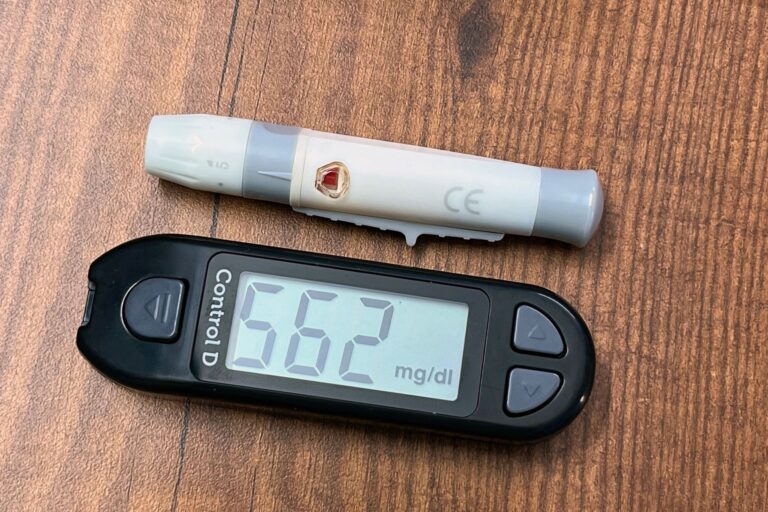
- **Ignoring blood‑glucose trends** – always monitor before, during, and after fasting.
—
—
Quick Summary Checklist – Your IF‑Ready Diabetic Shopping List
- ✅ Choose **low‑GI millets** (foxtail, barnyard) with **India Organic** label.
- ✅ Pick **cold‑pressed, wood‑pressed oils** (sesame, mustard) in dark glass.
- ✅ Use **organic honey** with < 20 % moisture and no added sucrose.
- ✅ Opt

Shop our bestsellers
-
Sisira Organics Kobra Pain Relief Oil
30 mins2–5 daysShop Sisira Organics Kobra Pain Relief Oil. 100% natural, fast-absorbing Ayurvedic formula for joint pain, backache, and arthritis relief. No mineral oils.
Original price was: ₹189.₹159Current price is: ₹159.Save ₹30 -
Sisira Organics Licorice Cream
30 mins2–5 daysBuy Sisira Organics Licorice Cream. 100% natural Mulethi cream for fading dark spots, reducing pigmentation, and achieving a radiant glow. Vegan &…
Original price was: ₹230.₹200Current price is: ₹200.Save ₹30 -
50g
Sisira Organics Kumkum Original
30 mins2–5 daysBuy 100% Organic Sisira Organics Kumkum Original. Crafted with quality ingredients for a clean premium feel. Skin-safe, chemical-free, and easy to apply.
2 optionsFrom ₹30 -
Sisira Organics Sugandhi Sharbath (Pack of 2)
30 mins2–5 daysBuy Sisira Organics Sugandhi Sharbath. An authentic, premium Nannari syrup for refreshing drinks. Naturally cools the body and purifies the blood.
Original price was: ₹450.₹399Current price is: ₹399.Save ₹51


Keep reading
Healthy Indian Snacks for Diabetics
Why This Guide Exists – The Real Problem Behind “Diabetic‑Friendly” Snacks Diabetes prevalence in India has exploded: the International Diabetes Federation estimates […]
Foods That Cause Blood Sugar Spikes
Foods That Cause Blood Sugar Spikes – A Practical Buying & Usage Guide — ## Why This Guide Exists India is in […]
Common Diabetes Myths in India Debunked
Why Believing Diabetes Myths Can Be Dangerous India is home to more than 77 million people with diabetes – the second‑largest diabetic population […]
For a faster, smoother experience, install our app
- ⚡Opens in one tap — quicker than the browser
- 📦Track orders and reorder favourites easily
- 🎁Be first to see daily deals and festive offers
Installs straight from our website in seconds.
- Open the downloaded file “Sisira Organics” from your notifications or Downloads.
- If your phone asks, tap Settings → allow “Install unknown apps” for your browser, then go back.
- Tap Install, then Open. Done!
- Tap the Share button ⬆ at the bottom of Safari.
- Choose “Add to Home Screen”, then Add.